Ohrid is a city in North Macedonia with over 2,000 years of history that holds a dual UNESCO World Heritage designation: once for its historic center and once for the lake that surrounds it, one of the oldest lakes on the planet at between 2 and 3 million years old, home to more than 200 endemic species found nowhere else on Earth. It sits in the Balkans, about four hours by car from Tirana and three from Skopje, and it is almost completely unknown outside the region. We came planning to stay one week. We left after two.
The other side of the "perfect life"
Travel gets sold as a perfect life. The lake photos, the sunset with a mate, the old town that looks like another era. But there is a side B that doesn't appear as often: displacement, constant uncertainty, permanent change, and the small grief that builds up every time you have to leave a place that started to feel like home.
Ohrid was exactly that: a place that was hard to leave. It doesn't happen often. Most destinations are enjoyed and then left with relative ease. Ohrid wasn't like that. Something in the combination of history, quality of life, and calm rhythm made us start looking into tax rates, permanent coworking options, and long-term rental prices. Traveling the world has that side effect no one warns you about: every so often you find a place that makes you question whether it makes sense to keep moving.
How to get to Ohrid
Most travelers arrive from Skopje, the capital of North Macedonia, about 170 km away, or from Tirana, Albania, about 130 km away. By car it's between 3 and 4 hours depending on the border crossing and traffic. The route from Albania goes through the Cafasan border crossing, which in summer sees a lot of international traffic: UK, Slovenian, Greek, and regional plates.
There is no train. The bus from Skopje costs under 10 euros with frequent departures. In summer, having a car is the most comfortable option: it lets you reach the viewpoints, access the lake at different spots, and explore on your own schedule.
What to see in Ohrid
Lake Ohrid
The lake is between 2 and 3 million years old, making it one of the oldest in Europe and the world. It has extraordinary clarity: you can see the bottom several meters down, the stones, the fish. In summer the water reaches between 22 and 26 degrees Celsius. It feels more like a natural swimming pool than a mountain lake.
The historic old town
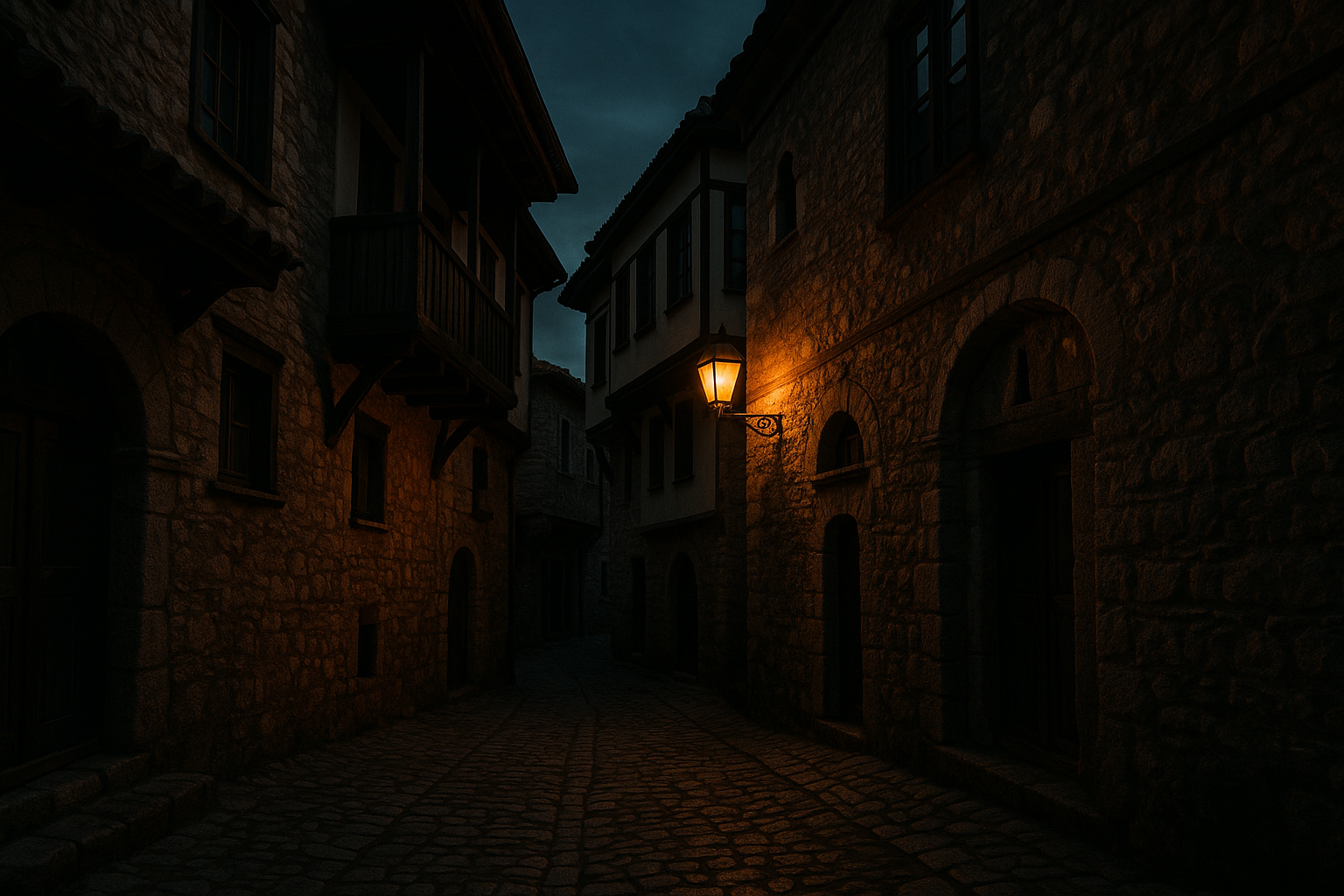
Ohrid has over 2,000 years of history. Before its current name it was known as Lychnidos, during the ancient Greek period. It was the religious center of the Balkans for centuries: there is a fact that sums up that historical weight, it is said there were 365 churches in the city, one for each day of the year. The exact number may be a myth, but the density of religious buildings from different eras is real and visible at every turn.
Saint Sophia Church
One of the most representative churches of Ohrid's history. Built as a Christian temple, it later became a mosque during Ottoman occupation, and today functions again as a Christian Orthodox church. The layers of history are literally visible in the walls: medieval frescoes that were covered and then restored, arches that changed function and name several times. It's a good starting point for understanding what makes this city unique: history isn't preserved in museums here, it coexists in the buildings people still use.
The Church of Saint John at Kaneo
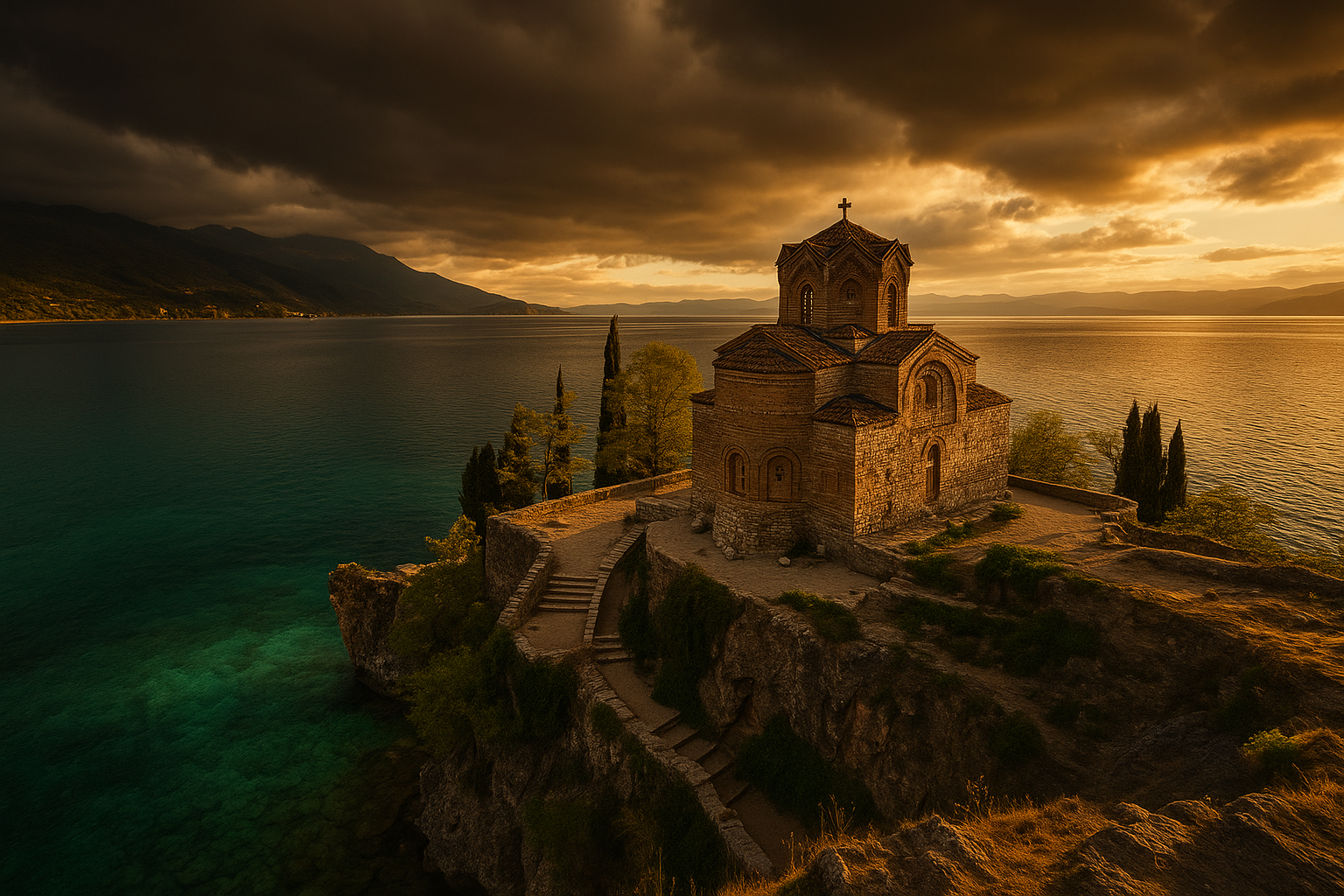
This is Ohrid's most iconic image. Built on a rocky platform hanging over the lake about ten meters above the water, it is 700 years old. It lights up at night and is visible from almost anywhere along the shore. The path to reach it passes along a walkway on the rock face, with direct views of the lake on both sides. The viewpoint above the church is one of the best in the entire region.
The ancient theater
In the upper part of the historic center there is an open-air theater built over 1,000 years ago. It is one of the oldest in Europe and, unlike many archaeological sites in the region, is well preserved. It is still used today for cultural events and local festivals. The views from the upper seats take in the entire lake and part of the city.
Ohrid for remote work
Ohrid has a coworking space open 24 hours. The internet connection is stable. The cost of living is low compared to any city in southern Europe. A decent Airbnb in high season costs under 50 euros per night, with long-term options considerably cheaper.
The rhythm of life works well for remote workers on American schedules: late afternoon meetings in Argentina or Mexico fall at 7 or 8 PM in Macedonia, which is manageable. The city has no real traffic, almost everything is walkable, and when the workday ends, the lake is ten minutes away.
When to visit Ohrid
August is high season but doesn't feel overcrowded. The historic center has tourists, but nothing that makes it hard to move around or that overwhelms the sites. The heat is manageable: 25-26 degrees Celsius with a constant breeze off the lake. The nights are pleasant.
Swimming season runs from June to September. Outside that window the city is quieter, prices drop, and the sites remain just as accessible. For remote workers who want to be there without the tourist crowds, May or September are probably the best option.
Frequently asked questions about Ohrid
How long do you need in Ohrid?
Two or three days covers the main sights: the lake, the historic center, the Church of Saint John at Kaneo, the ancient theater, and Saint Sophia. To experience the rhythm of the place and swim in the lake without rushing, a week is ideal. For remote work, two weeks allows you to build a routine and explore the surrounding area.
Is Lake Ohrid a UNESCO World Heritage site?
Yes. Ohrid is one of the few places in the world with a dual UNESCO designation: the historic center for its cultural and architectural value, and the lake for its natural value. The lake is between 2 and 3 million years old and is home to more than 200 endemic species found nowhere else on Earth.
How do you get to Ohrid from Tirana?
By car it is approximately 130 km and between 3 and 4 hours depending on the border crossing and traffic. The most direct route goes through the Cafasan border crossing. There are direct buses from Tirana's main terminal for under 10 euros.
Is Ohrid expensive?
Not by western European standards. A restaurant meal costs between 5 and 10 euros. Airbnb accommodation runs around 30-50 euros per night in high season. The 24-hour coworking space has options priced much lower than any equivalent in Spain or Italy.
Can you swim in Lake Ohrid?
Yes. The water is extraordinarily clear and clean. In summer it reaches 22-26 degrees Celsius. There are designated swimming areas along the central waterfront and beaches on the outskirts of the city.
After Ohrid, the next stop was Istanbul: four hours of driving to the Turkish border and the first crossing between Europe and Asia of the trip. But that is another story.
For the previous destinations, the blog has articles on what to see in Tirana and what to see in Albania (Shkodër), the stops before crossing into North Macedonia.