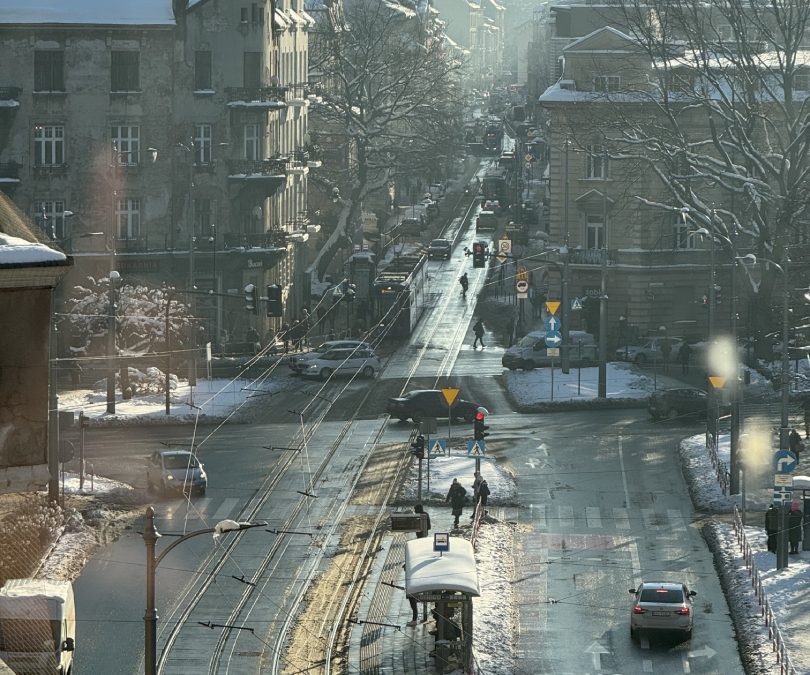
Krakow is a city full of cobblestones, music, history and life. But beneath all that, there's a much deeper layer: one that resonates with the weight of memory. This Polish city witnessed the horrors of the Holocaust during World War II, and today stands as a reminder of human resilience and the importance of never forgetting.
I came here to feel firsthand what I had read so many times in books or seen in movies. But nothing prepared me for what it meant to walk through Kazimierz and the Krakow ghetto. There's a before and after walking through these places. And this is my story.
Kazimierz: where Jews and Catholics coexisted
I started my journey in Kazimierz, the old Jewish quarter of Krakow. Historically it was home to Jewish communities who came by invitation of King Casimir III, and for centuries they shared this space with Catholics. That changed completely with the arrival of the Nazis.
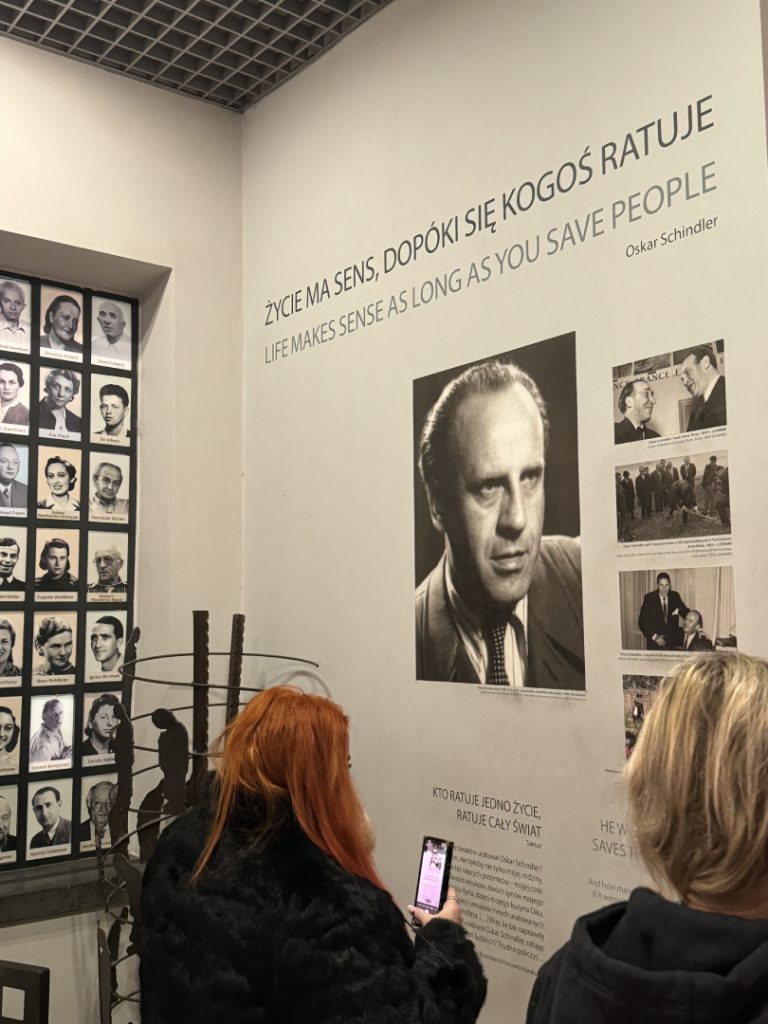
In Plac Nowy I visited several tributes and memorials. One of the most emotional moments was learning the story of Dean Karov, a non-Jewish Pole who infiltrated concentration camps and ghettos to document what was happening. He risked his life, helped save people and survived the war. A hero that few know... but that we should all remember.
Crossing toward the Krakow ghetto
As I crossed the Vistula River toward the Podgorze neighborhood, where the ghetto was established in 1941, everything started to feel different.
The Nazis chose Podgorze for strategic reasons: it was separated by the river, had little economic value, and was easy to isolate from the rest of the city.
The Jews were forced to build the wall that would enclose them. The most striking thing: the top of the wall was shaped like tombstones, like a silent message of what was to come.
And the most impactful thing is that many ghetto buildings remain just as they were 80 years ago. Unlike Warsaw, Krakow wasn't bombed at the end of the war, so everything is preserved... as if it were a living museum.
The chairs at Heroes of the Ghetto Square
One of the most symbolic places is Plac Bohaterow Getta, Heroes of the Ghetto Square. There you can see 70 empty bronze chairs, one for every thousand Jews killed.
Each chair faces a different direction: some toward Auschwitz, to remember those who were deported. Others toward Schindler's factory, representing those who managed to survive. The smallest ones symbolize the saved children.
From the center of the square, you can see the key buildings: one was the Gestapo headquarters, from where the ghetto was managed. Right across, the building of the Jewish resistance. A few meters away, a pharmacy that today is a museum. There, two non-Jewish Poles risked their lives hiding and helping Jews escape from the ghetto.
The cold, the hunger and the cruelty
During the tour, the guide told us that the cold was part of the punishment. In winter, it could reach -30 degrees, and many froze to death.
The food rations were 25 grams per day, sometimes with pork fat to psychologically torture those who couldn't consume it due to their faith.
I passed in front of a house exactly as the Jews left it when expelled. Closed doors, broken windows, everything intact. It chilled me to the bone. It didn't seem like a historical scene: it seemed like something happening right now.
Why the Krakow ghetto is so impactful
Unlike the Warsaw ghetto, which was rebuilt, the Krakow one preserves its original structure. You can still see where the wall was. The tombstone-shaped tops weren't accidental: they were a warning.
And all of this was set up in a poor area, not modernized to this day, that still transmits the sadness of what happened there.
Final reflection: history you can feel
Visiting the Krakow ghetto isn't like reading it in a book. It's not a museum. It's walking through streets where you can still hear the echo of the past. It's passing by buildings that witnessed the worst of humanity. It's feeling a weight that doesn't go away, even hours later, days later.
Even while editing this video, I got a knot in my stomach.
This wasn't just a day on a trip. It was a face to face with history. With cruelty. But also with courage, resistance and memory.
Historical context and useful information
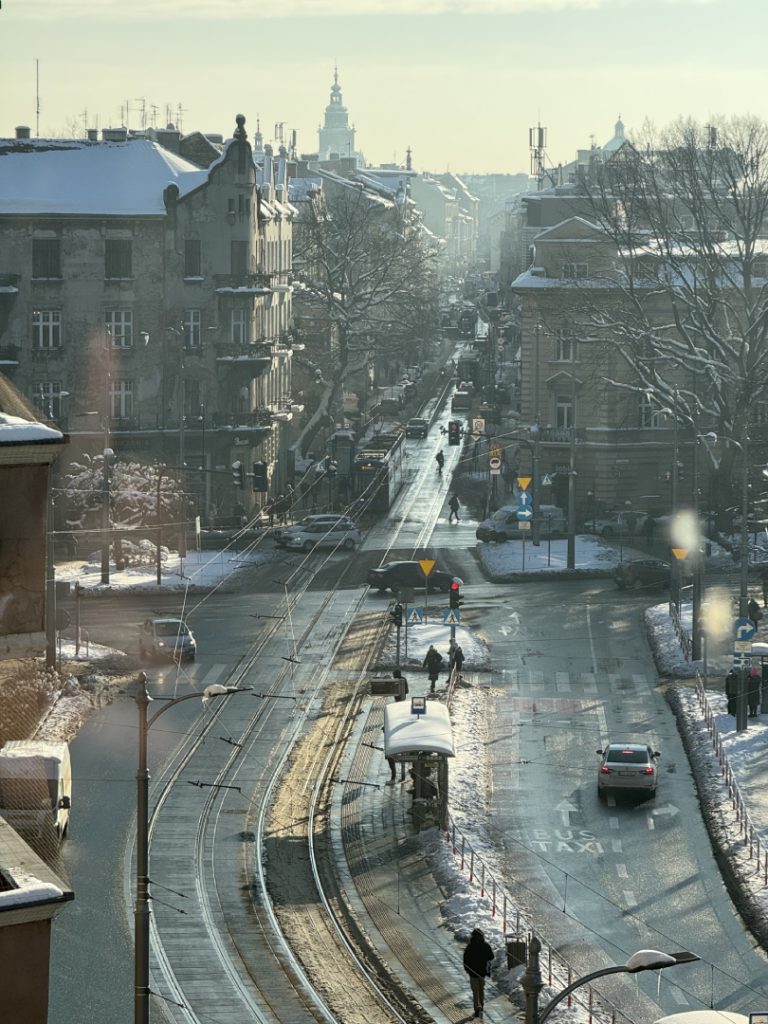
What was the Krakow ghetto? It was created in 1941 in Podgorze, south of the Vistula River. More than 15,000 Jews were forced to live in an area designed for 3,000 people. In 1943 it was liquidated, and most were deported to Auschwitz or the Plaszow camp. Today parts of the original wall, the chairs square, key buildings and tributes are still preserved.
How to visit? Start in Kazimierz and cross the river to Podgorze. Don't miss: Heroes of the Ghetto Square, Schindler's Factory Museum, Eagle Pharmacy, Remains of the ghetto wall. Recommended: take a walking guided tour. If going in winter, dress warm.
Hopefully all the good that remains in the world will manage to bury, once and for all, all the evil that still hurts. Even though evil sometimes makes more noise, I believe that memory, empathy and education have much more power. May Krakow keep teaching.