Argentina is a country made for road trips. Route 40, Patagonia, the Salinas Grandes, the northern towns, the Litoral villages — everything invites you to drive. The natural question when you have an EV is: can all this be done without scares? The short answer in 2026 is yes, with planning. The long answer is what this article is about.
My EchoRoute project with Carla was originally going to start crossing Argentina in my Tesla. Due to import regulation I had to change the plan, but before that I spent months studying routes, chargers and Argentine owner cases. This article is that knowledge, translated to a practical guide.
Real state of the charging network on Argentine roads
The change in the last two years was enormous. Three years ago doing Buenos Aires–Bariloche in electric was nearly impossible. Today it's reasonably feasible, although still requires planning.
Route 9 (Buenos Aires–Rosario–Córdoba–Salta–Jujuy–La Quiaca): best covered. Fast chargers every 200–300 km up to Salta. After Salta to La Quiaca coverage thins but it's viable with a plug-in hybrid or an EV with 500+ km range.
Route 2 (Buenos Aires–Mar del Plata): well covered. YPF and others have chargers at main stops (Dolores, Madariaga, Pinamar, Mar del Plata).
Route 7 (Buenos Aires–Mendoza): reasonable coverage to Mendoza. Crossing to Chile via Los Libertadores has more limitations but is possible.
Route 3 (Buenos Aires–Bahía Blanca–Río Gallegos–Ushuaia): the Patagonian backbone. Reasonable coverage to Comodoro Rivadavia. Then it gets complicated but there are points in Río Gallegos and Tolhuin.
Route 40 (entire): the most mythical and challenging. Has coverage on tourist segments (Mendoza, Bariloche, El Bolsón, El Chaltén) but 300–500 km gaps between cities in some zones. Doing it entirely in electric requires heavy planning.
Litoral (Buenos Aires–Posadas–Iguazú): least covered. There are points in Rosario, Paraná, Corrientes, Posadas, but big distances between them.
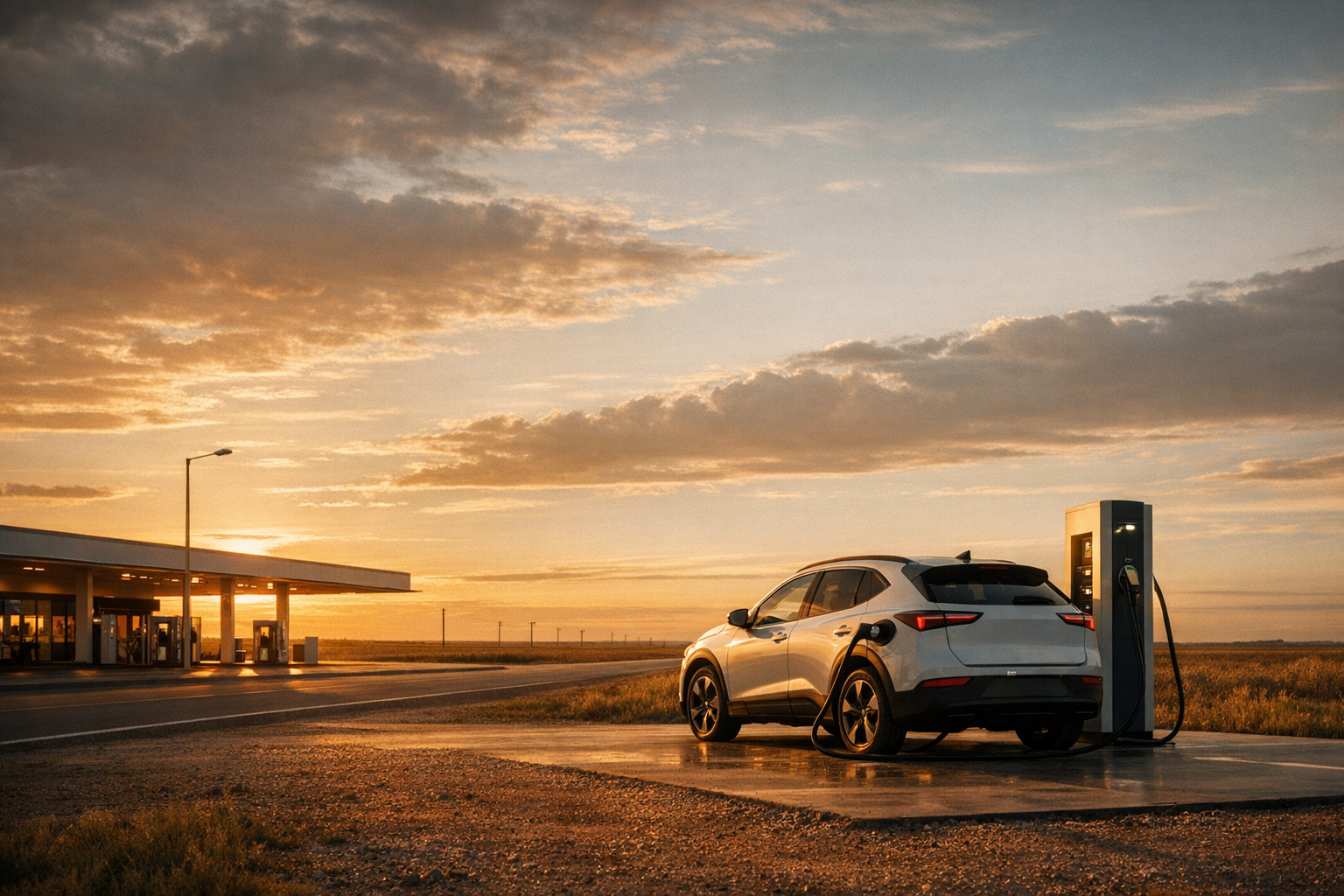
How to plan a long trip in Argentina
Step 1: Apps you absolutely need
Plugshare: international collaborative database. For Argentina it's the most complete and updated because users themselves upload information. Real-time reviews, photos, pricing. Essential.
YPF App: official YPF Ruta network. Shows all their DC chargers, lets you pay from the app and reserve (at some points).
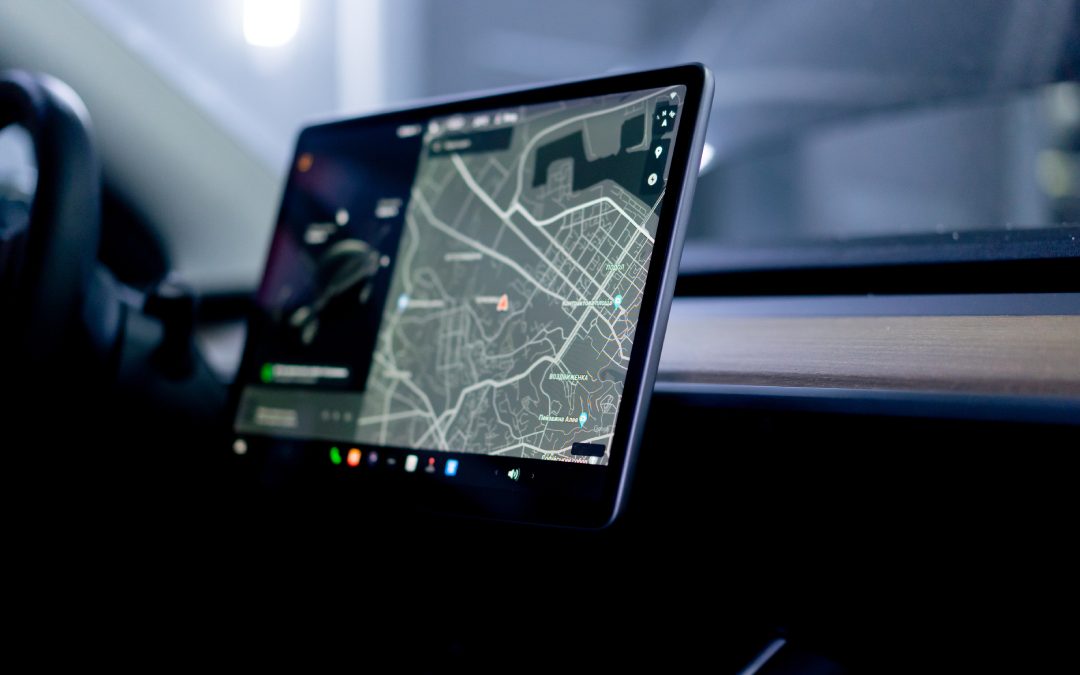
A Better Routeplanner (ABRP): supports non-Tesla chargers and simulates consumption. Useful for long segments where you have to combine several operators.
Google Maps: better map coverage in remote zones than any specific app. Useful to validate distances and alternative routes.
Step 2: The 30% rule
In well-covered zones, you can plan to arrive at each charger with 10–15% battery. In remote Argentine zones, arrive with 30%. That gives you margin for:
If the charger is down or occupied, go to the next.
If you missed a turn or a headwind ate kilometers.
If it rains heavily or snows and consumption rises.
If you need an unexpected detour (mechanic, food, gas station with bathroom).
Step 3: Destination chargers at hotels
Many boutique hotels in tourist zones have wallboxes for guests. Typically AC 7 to 22 kW: slow, but perfect for charging while you sleep or dine. Find them on Plugshare with "Destination Chargers" filter.
Examples: hotels in Mendoza wine country, hotels in Bariloche, El Chaltén, Salta, Cafayate. Most don't charge extra for the charging.
Step 4: Plan B for zones without coverage
If your route crosses a zone with a large gap, options are:
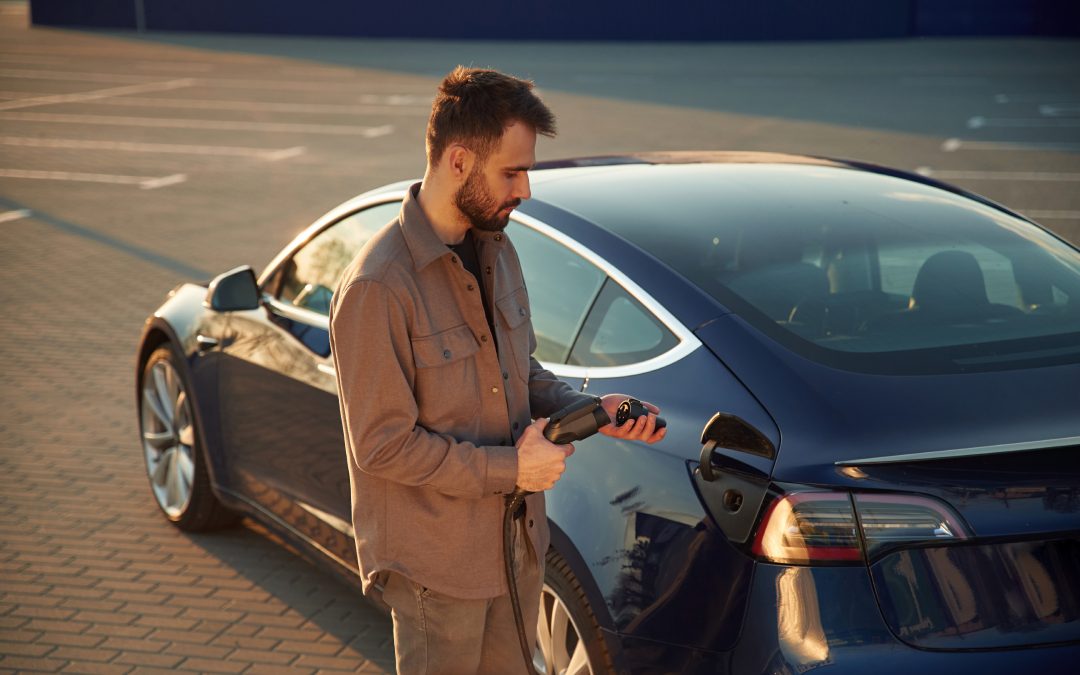
Bring a Schuko cable and plug in 8–10 hours at a hostel or gas station where they let you.
Drive slower and consume less.
Charge to 100% before leaving (exception to the usual 80% rule for durability).
Consider doing the specific segment in another transport if risk is high.
Routes that are already fully viable
Buenos Aires–Mar del Plata: 400 km, chargers every 100 km. Any EV with 300+ km range does it without stopping. With 250 km range you pause once.
Buenos Aires–Rosario–Córdoba: 700 km total. 2–3 strategic pauses. Very feasible.
Buenos Aires–Mendoza: 1,000 km. Pauses in Junín, San Luis, Mendoza. Feasible in 2 days.
Buenos Aires–Bariloche via Route 3 + Route 23: 1,600 km. More demanding but possible with 500+ km range. Pauses in Bahía Blanca, Neuquén, Bariloche.
Salta and the North: the classic circuit Salta–Cafayate–Cachi–Salinas Grandes–Purmamarca is perfectly viable. Chargers in Salta, San Salvador de Jujuy, Tilcara and some intermediate points.
Routes that still require more planning
Full Route 40 (Cabo Vírgenes to La Quiaca): 5,200 km of pure adventure. Doing the entire thing in electric today is possible but takes weeks, detailed planning of each segment, and sometimes depending on slow hotel wallboxes.
Deep Patagonia (El Chaltén, Perito Moreno): there are chargers in main towns but long gaps between them. Add battery margins.
Ushuaia: chargers in the city but reaching there from Río Grande requires care. Possible, not trivial.
Misiones and Iguazú Falls: the Buenos Aires–Posadas–Iguazú corridor is the least covered. Today best done in hybrid or wait 1–2 years for YPF to expand.
Specific tips for Patagonia and Route 40
Charge full before each long segment. Patagonian distances are enormous and winds can punish hard.
Drive conservatively. On Route 40, driving 100 km/h instead of 120 can save 100 km of range. That difference can save you.
Carry various adapters. Schuko, CCS, Type 2. In Patagonia you can find any kind of plug.
Connect with the local EV community. There are Facebook and WhatsApp groups of Argentine EV owners. They know unofficial points (hostels, ranches) where they let you charge.
Don't fear slow wallboxes. An AC 7 kW at a rural hotel while you dine and sleep recovers 250–300 km. Enough for the next segment.
Conclusion
Touring Argentina in an EV in 2026 is possible. It's not as easy as in Europe yet, but main corridors are well covered, charging prices are ridiculously low, and the network grows monthly. If you like planning and have an EV with at least 400 km range, almost any tourist trip in the country is feasible.
If you want to see the general Argentine EV market landscape (models, prices, urban infrastructure), see electric vehicles in Argentina: real 2026 landscape. And if you're interested in how I plan each leg of a long trip, see planning a Tesla route with ABRP.