I'm Argentine. I lived 23 years in Spain, where the EV market is fairly mature, and moved back to Buenos Aires in late 2025. One of the first things I did was try to understand the current Argentine electric landscape — not the marketing one, the real one. I talked to dealers, to EV owners, and I drove several models in different parts of the country.
This article is the honest summary of what I learned. If you're thinking of buying an EV in Argentina today or you want to understand where the market is heading, this should help.
State of the Argentine EV market in 2026
The Argentine EV market grew more in the last 18 months than in the previous 5 years. The reason is a combination of three things: reduced tariffs for specific EVs, aggressive entry of Chinese brands (BYD, GWM, Chery), and YPF's investment in fast chargers on trunk routes.
As of 2026, approximately 15,000 pure electric vehicles were registered in Argentina, still a low volume compared to Europe but ten times that of 2022. Growing fast and the trend will continue.
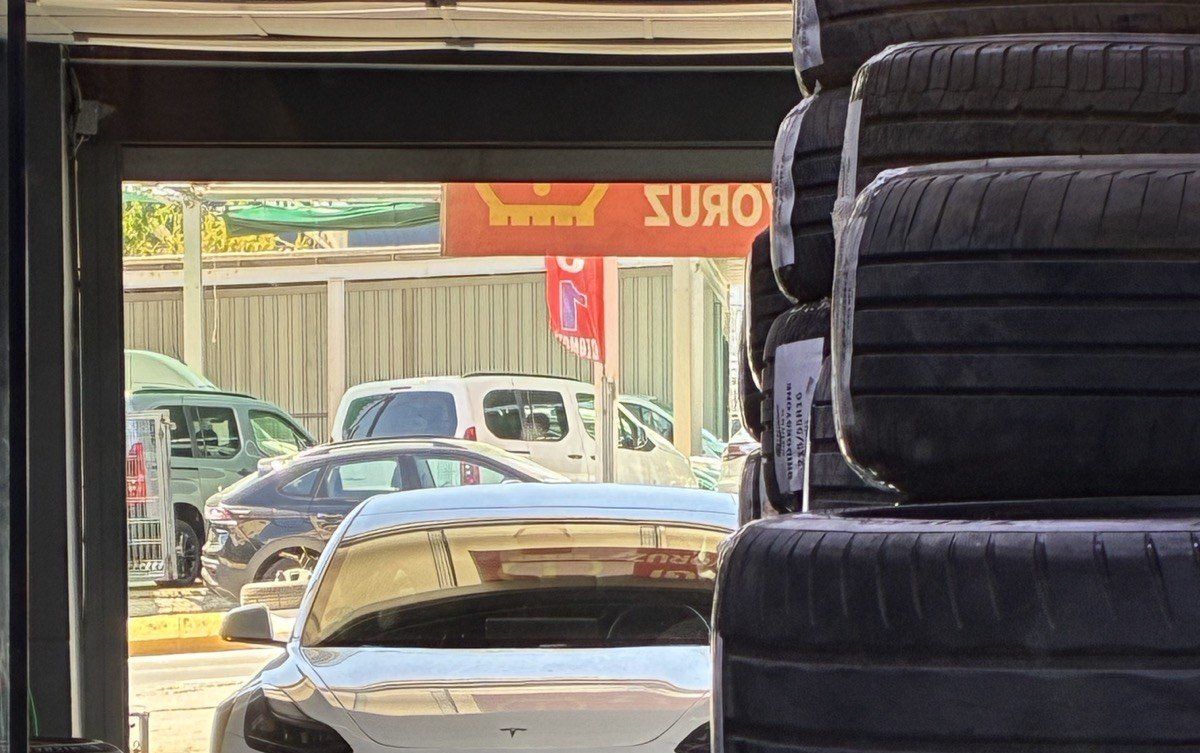
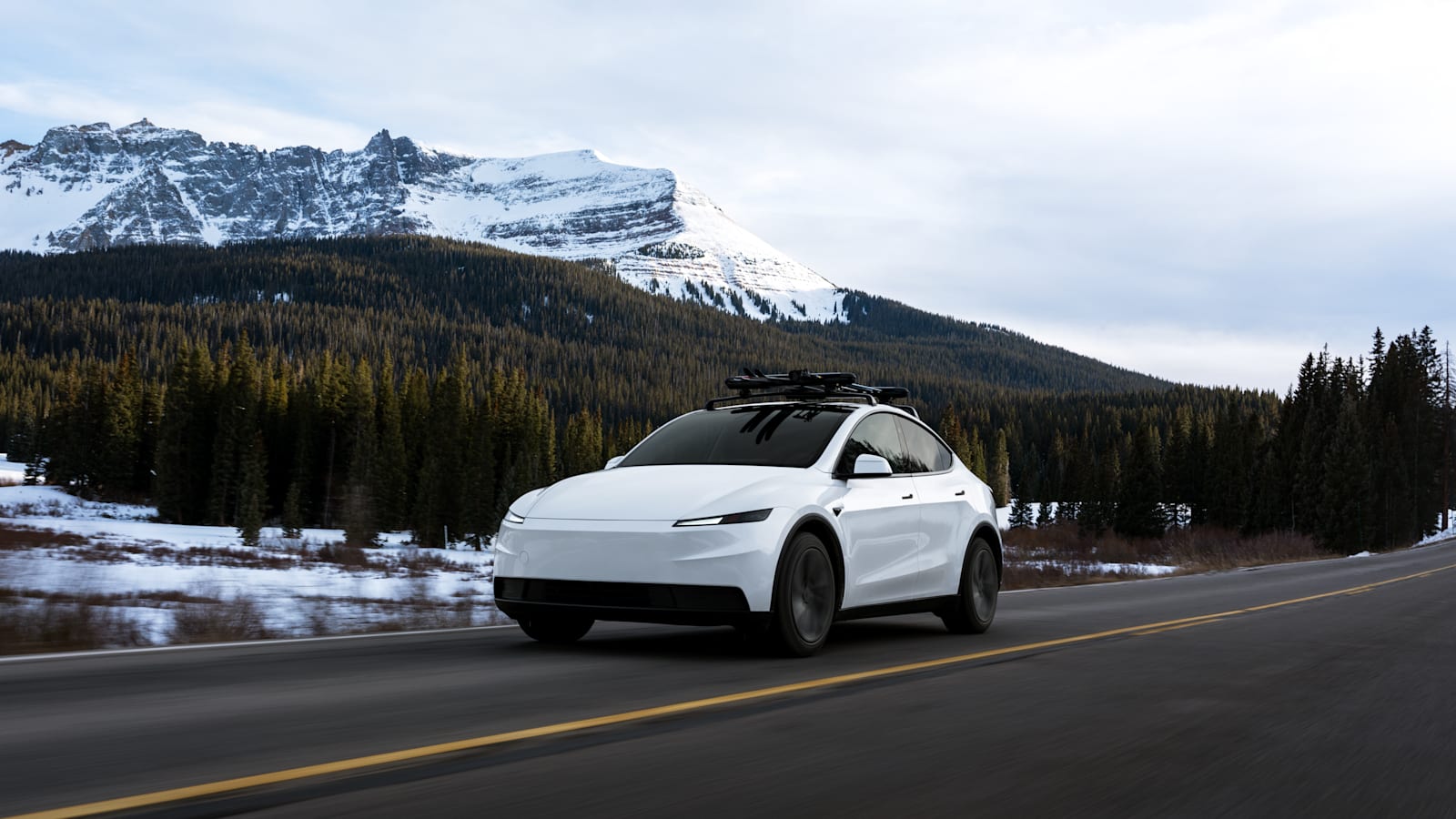
Tesla still has no official operation. The Teslas circulating in Argentina are private imports, almost all from the US, with prohibitive costs and no support network. Less than 500 units estimated in the entire country.
EV models officially available in Argentina
Affordable segment (USD 30,000 to 45,000)
BYD Dolphin: Compact hatchback, 60 kWh battery, declared range 405 km. The most popular in the segment for its aggressive pricing.
BYD Yuan Plus: Compact SUV, 60 kWh battery, 430 km range. Direct competitor of the Volkswagen ID.4 but cheaper.
JAC E-Series: Cheaper Chinese alternative entering as urban utility vehicles. Lower range but very low price.
Chevrolet Spark EV: Discontinued but stock remains. Older model, limited range.
Mid segment (USD 50,000 to 80,000)
Volkswagen ID.4: Family SUV, 77 kWh battery, 500 km WLTP range. The most established, with robust warranty and official service.
Peugeot e-3008: Well-equipped SUV, 73 kWh battery.
BYD Han / Seal: Chinese premium sedans. The BYD Han competes directly with the Tesla Model S at a much lower price.
Premium segment (USD 90,000+)
BMW iX and iX3: Official premium options with full BMW service network.
Audi e-tron and Q8 e-tron: German premium alternatives.
Mini Cooper SE: Urban premium option.
Porsche Taycan: Most exclusive, few units sold annually.
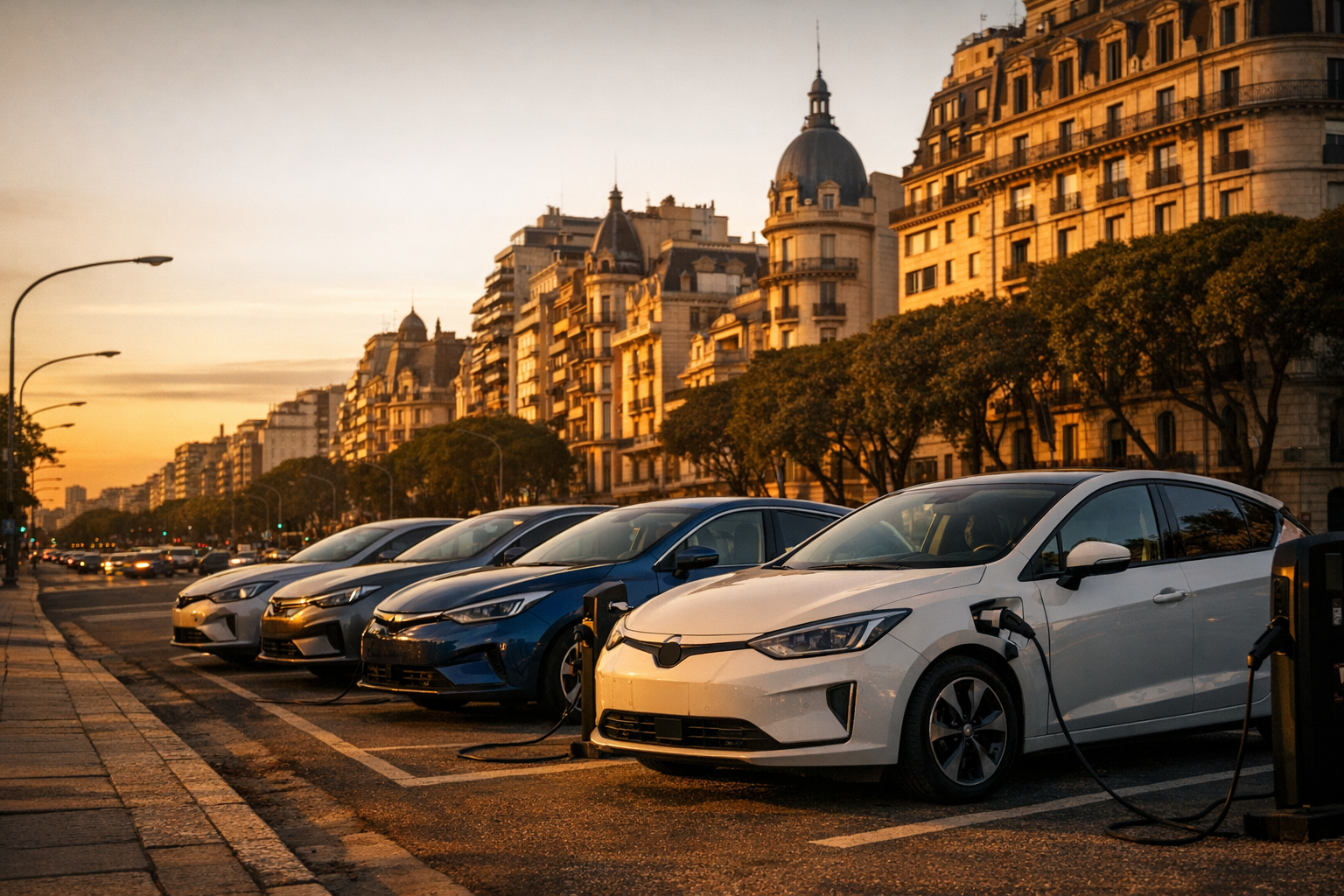
Charging infrastructure: where it's good and where it isn't
This is the part that's changed most in the last two years. 2026 landscape:
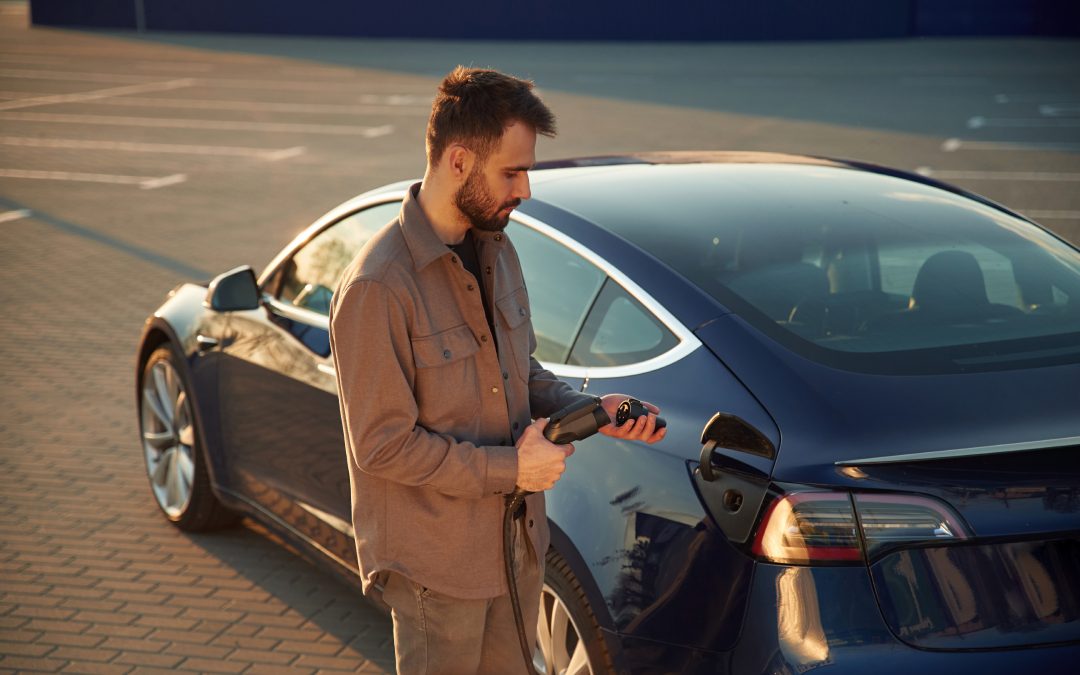
CABA and Greater Buenos Aires: well covered. There are fast AC and DC chargers at shopping centers, public parking and premium gas stations. Brands like EDEMSA, Tagua, YPF and Naranja X have their own networks. Your home wallbox works normally.
Trunk routes (Route 9, 2, 3, 40): in coverage process. YPF launched "YPF Ruta" with 60–150 kW DC chargers every 200–300 km. Route 9 Buenos Aires–Rosario–Córdoba is fairly covered. Route 2 to Mar del Plata too. Route 40 south still has significant gaps.
Patagonia: improving but still limited. Bariloche, El Calafate, Ushuaia have chargers. Small towns between them don't. If you tour Patagonia in electric, planning is mandatory.
North (Salta, Jujuy, Tucumán, Mendoza): moderate coverage. Major cities yes. Interurban routes being built.
Litoral and center (Misiones, Corrientes, Entre Ríos): scarce. If you go to that area, you'll depend on hotel wallboxes or private Tesla Destination chargers.
Charging prices in Argentina
The Argentine electrical system has significant subsidies on residential electricity, making home charging extremely cheap compared to Europe:
Home charging (CABA, residential tariff): 6 to 15 ARS/kWh depending on consumption level and tariff. A full BYD Dolphin charge costs between 400 and 900 pesos (USD 0.40 to 1).
Public AC chargers: 30 to 80 ARS/kWh. Full charge 2,000 to 5,000 pesos.
Fast DC chargers (YPF Ruta, EDEMSA, etc.): 200 to 400 ARS/kWh, equivalent to USD 0.25 to 0.50/kWh. Comparable to Europe.
Gasoline equivalent: 1 liter of premium in Argentina 2026 costs 1,300 to 1,500 ARS depending on the zone. Charging 60 kWh at home to do 400 km costs 600 to 900 pesos; the same route in a combustion car consumes 30 liters = 39,000 to 45,000 pesos.
The savings are brutal. One of the strongest reasons why having an EV in Argentina is very attractive despite the high initial price.
BYD or Volkswagen? What buyers are seeing
The big debate in the Argentine market today is BYD vs traditional brands (especially Volkswagen). Some observations:
BYD pro: lower price (20–30% less than a comparable VW), advanced tech (large screens, navigation, assistants), own charging network expanding. BYD Blade batteries are among the safest in the world.
BYD con: newer post-sales service network, brand perception still being built, parts may take longer in some cases.
Volkswagen pro: decades-old service network, clear warranty, more solid resale value going forward.
Volkswagen con: higher price, less cutting-edge tech than BYD.
My personal opinion: for a rational buyer looking for price-performance, BYD is hard to ignore in 2026. For someone prioritizing established service network or resale value, Volkswagen is still safer.
And Tesla?
Since there's no official operation, the few Teslas circulating in Argentina arrived via private import. Typical costs: USD 80,000 to 120,000 for a used Model 3 Long Range, depending on who imports it and under what regime.
I tried to bring mine from Spain and, as I told in another article, it wasn't viable. If you're interested in the detail of what happens with a Tesla in Argentina today, read Tesla in Argentina: what I learned trying to bring mine from Europe.
Consensus among private Tesla owners in Argentina is that the experience is good when everything works, but the day something breaks is a problem: no official service, parts must be imported, and insurance is very expensive because insurers have no local statistics on the model.
What to expect in coming years
My prediction for 2027–2028:
More Chinese brands entering: probably Geely, NIO, Xpeng. Some with local production even.
YPF and other operators expanding the fast charging network to secondary routes.
Possible official Tesla arrival, especially if BYD captures significant market share. But this is in speculation territory.
Greater presence of EVs in commercial use (taxis, corporate fleets, delivery).
Additional tariff reductions if reforms continue.
Conclusion
The Argentine EV market is waking up. Today it's viable to own an EV in CABA or Greater Buenos Aires without surprises. To travel the whole country in electric, planning is still needed, but the network grows monthly.
If your use is urban or interurban in covered zones, a BYD or VW ID.4 work perfectly. If you dream of a Tesla, today I don't recommend it because of the lack of official support — I'd wait to see what happens with the market in 2027.
If you want to dig into my specific case trying to import a Tesla, see Tesla in Argentina: what I learned trying to bring mine. And if you're interested in how I plan EV trips on long routes, check traveling Argentina in an EV.