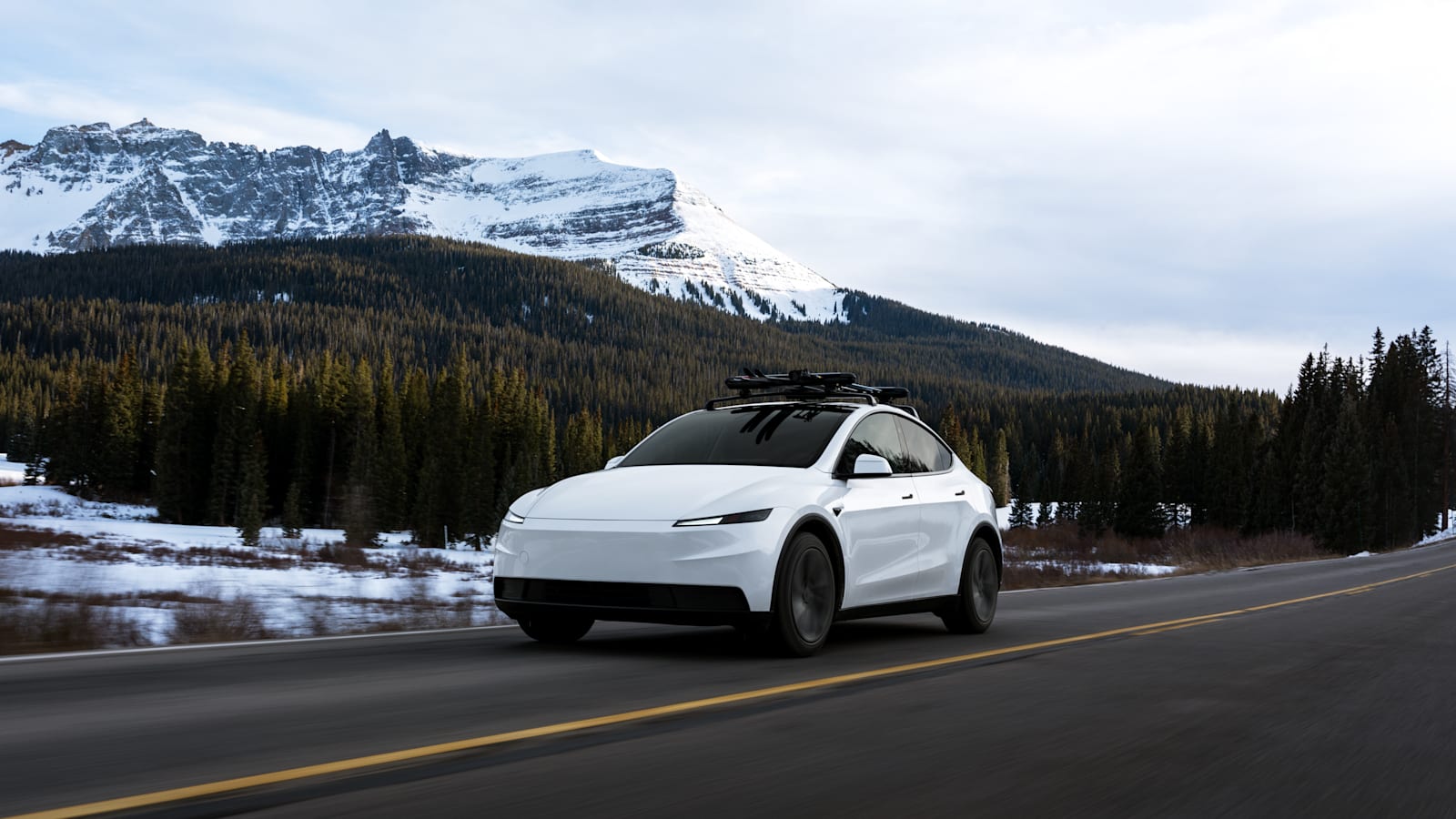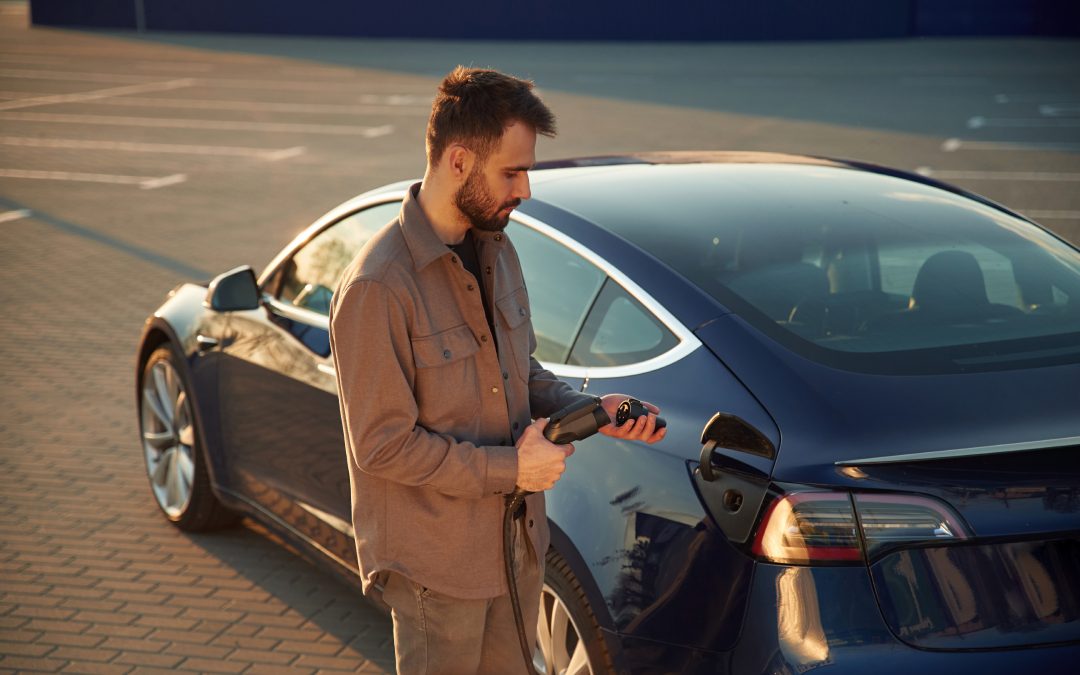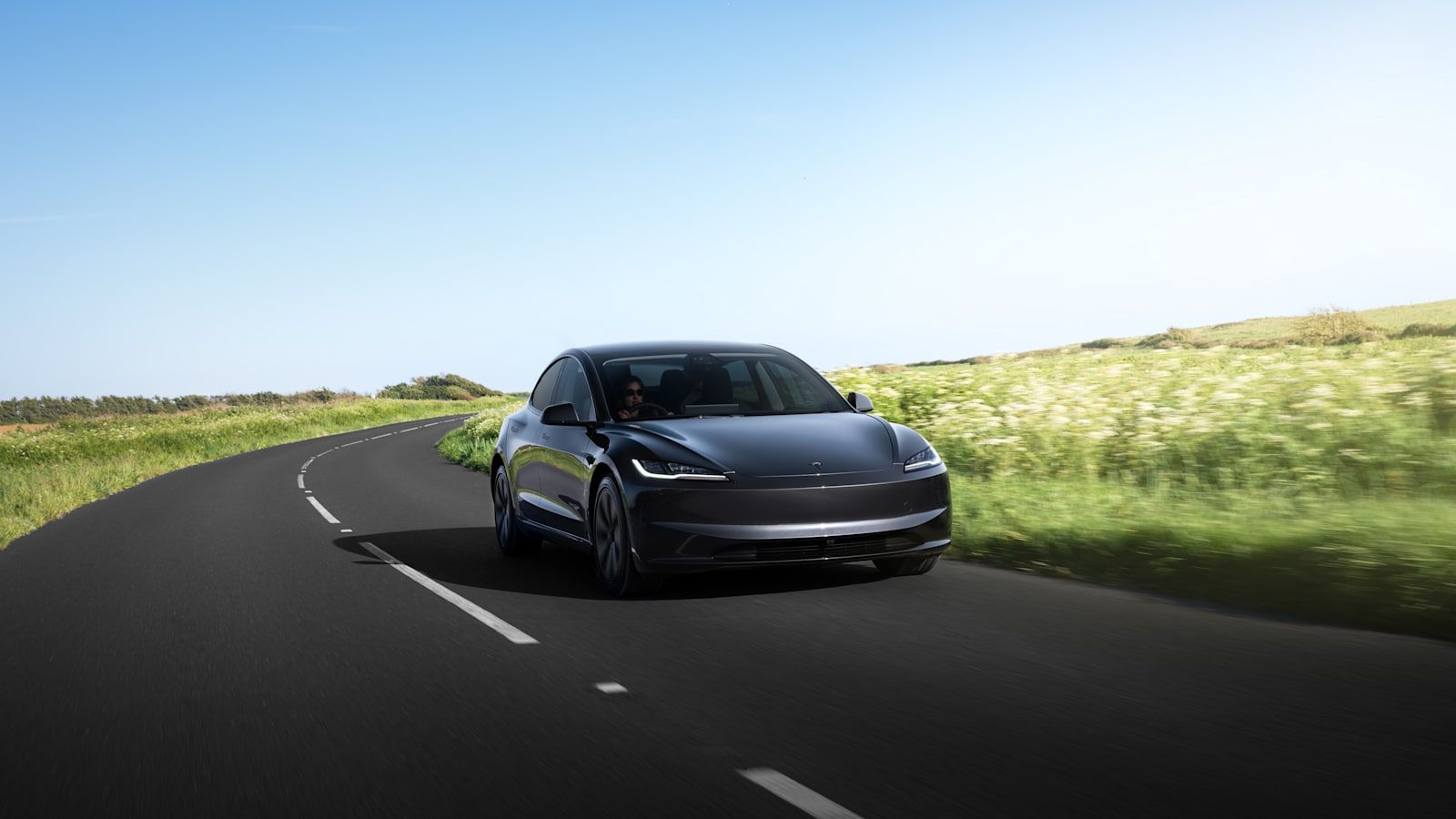
If you live in Argentina and you're interested in Teslas, this is one of the first questions that comes up: how much does one cost today. The short answer is between USD 80,000 and 180,000 depending on the model and who imports it. The long answer, with concrete figures and honesty about why it's so expensive, is what's worth reading.
I'm Argentine. I spent seven months trying to bring my own Tesla from Spain to Argentina and I handled this information firsthand. What follows is what I learned talking to customs brokers, private importers and owners who already have one in the country.
Why Tesla isn't sold officially in Argentina
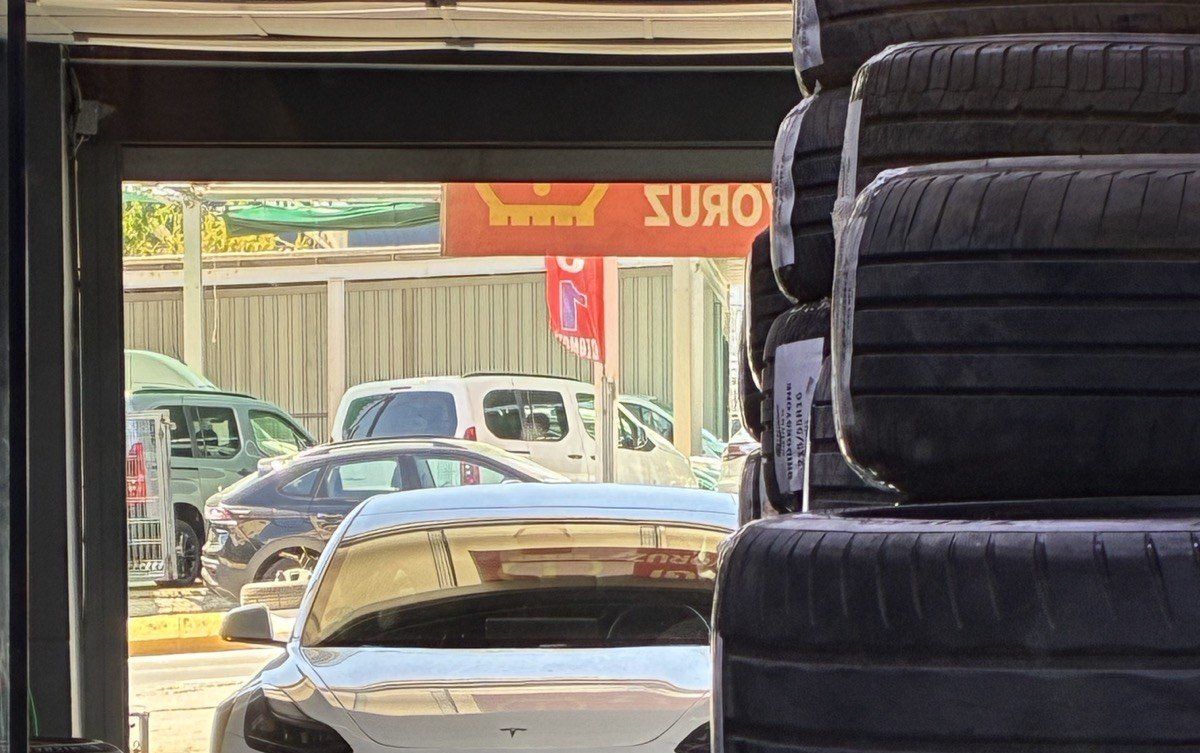
First thing to understand: Tesla has no official operation in Argentina. No dealerships, no Service Centers, no Tesla Superchargers. All circulating Teslas arrived via private import at the buyer's expense.
The historical reason is a combination of very high tariffs for cars not built in Mercosur, complex homologation regulation, and a still-small market in volume terms.
This is changing. In 2024–2026 there were reforms that reduced tariffs for specific EVs, but Tesla specifically still has no official channel. My prediction is that this will change in the next 2–3 years if BYD captures significant market share, but not today.
Real prices per model in Argentina 2026
These are the ranges handled by importers I talked to. Prices vary greatly depending on whether the car is new or used, what country it comes from, and under what customs regime it's imported:
Tesla Model 3
Standard Range new: USD 75,000 to 90,000 (US price is USD 40,000).
Long Range new: USD 90,000 to 110,000 (USD 47,000 in US).
Performance new: USD 100,000 to 120,000.
2-year used: USD 60,000 to 80,000 depending on mileage and version.
Tesla Model Y
Long Range new: USD 100,000 to 125,000.
Performance new: USD 115,000 to 140,000.
Used: USD 75,000 to 100,000.
Tesla Model S
Long Range new: USD 140,000 to 170,000.
Plaid new: USD 170,000 to 200,000.
Used: USD 110,000 to 150,000.
Tesla Model X
Long Range new: USD 150,000 to 180,000.
Plaid new: USD 180,000 to 210,000.
What the final price is made of
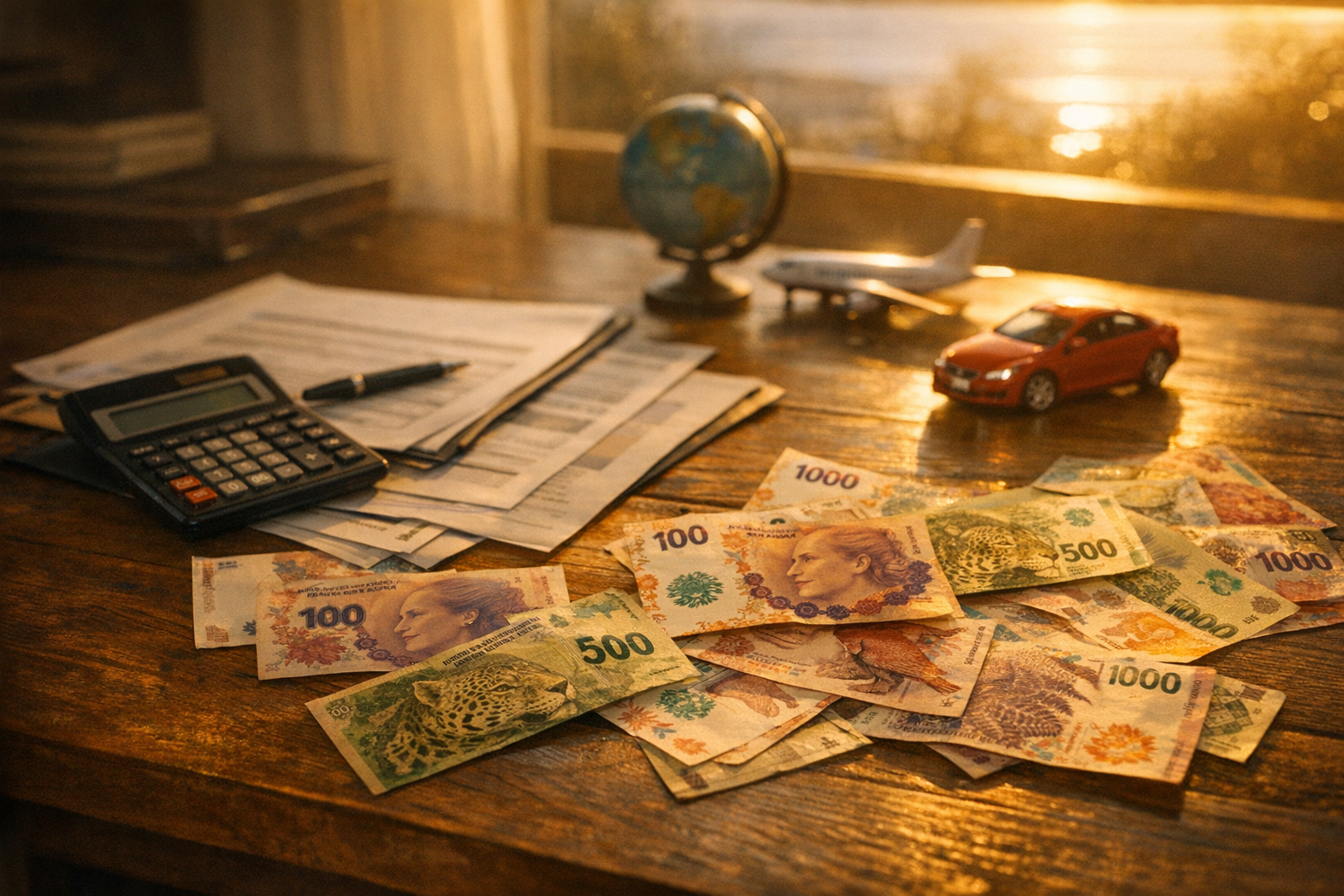
To understand why a Tesla costs 2 to 2.5 times more in Argentina than in the US, breaking down components:
FOB price at origin (US or Europe): USD 35,000 to 100,000 depending on model.
International freight and marine insurance: USD 3,000 to 5,000.
Import tariff (depending on regime): 25% to 50% on CIF.
VAT (21%): applied on CIF + tariff.
Internal taxes: 0% to 20% depending on value and model.
Customs clearance and paperwork: USD 4,000 to 7,000.
Registration and plates: USD 2,000 to 4,000.
Private importer commission: 10% to 25% of final value.
Adding it all up, a Tesla Model 3 Long Range that costs USD 47,000 in California ends up costing USD 95,000–105,000 in Buenos Aires.
How private import works in practice
If you want a Tesla in Argentina today, there are three paths:
1. Buy from an existing private importer
Simplest option. There are importers in Buenos Aires regularly bringing units. You buy from available stock or order a specific model, they handle customs.
Pros: paperwork resolved, delivery 1–3 months, basic post-sales support (at least for parts).
Cons: inflated price (includes their margin), can't choose all configurations, warranty is the importer's, not Tesla's.
2. Import yourself from the US
More complex but cheaper if you have time. You buy the Tesla in the US (Florida is the most common port), ship it, hire an Argentine customs broker to handle entry.
Pros: save the importer commission (10–25%), choose exactly the configuration you want.
Cons: 4–6 month process, legal risks if something stalls in customs, need to speak English and understand shipping.
3. Temporary regime as tourist (doesn't apply if you live in Argentina)
If your tax residency is outside Argentina and you only want to visit, you can enter with your Tesla under Carnet de Passages. Zero tariff because the car leaves the country. But only applies if you're NOT an Argentine tax resident.
My case: why I tried to import and couldn't
I tried to bring my Tesla Model 3 Long Range from Spain. As an Argentine moving back to live and pay taxes in the country, the temporary regime didn't apply. I had to evaluate nationalizing the car.
The quotes I received just for the nationalization part (not buying the car, which was already mine) reached up to USD 50,000. More expensive than the Tesla itself. That's what led me to change the whole EchoRoute trip plan, which now starts in Europe heading east. The full story is in Tesla in Argentina: what I learned trying to bring mine from Europe.
Operating costs: the only good news
Although the initial price is high, operating costs of a Tesla in Argentina are extremely low:
Home electricity: 600 to 1,500 ARS for a full charge (USD 0.60 to 1.50). For comparison, filling with gasoline equals USD 60.
Service: Tesla requires almost no maintenance. Cabin filter every 2 years, brake fluid every 4 years, tire rotation. That's almost it.
Insurance: expensive because insurers have no local statistics. Expect USD 2,000–4,000 annually for Buenos Aires.
Municipal registration: high because it's calculated on vehicle value (expensive). USD 1,500–3,000 annually depending on jurisdiction.
More accessible alternatives if you want electric
If Tesla is out of your budget but you want electric tech, there are reasonable options officially available in Argentina:
BYD Dolphin (USD 30,000–40,000): compact hatchback with good range. Excellent price-performance.
BYD Han / Seal (USD 70,000–90,000): Chinese premium sedans competing with the Model 3 at much lower price.
Volkswagen ID.4 (USD 60,000–80,000): family SUV with established brand and official service.
BMW iX3 (USD 100,000–130,000): premium alternative if you're looking for something close to Model X but with BMW network.
My honest recommendation: if your priority is electric tech and not Tesla specifically, a BYD Seal or Volkswagen ID.4 gives you 90% of the experience at half the price.
Is a Tesla worth it in Argentina today?
My sincere opinion, after going through the whole process: depends what you want it for.
If it's prestige + primary urban use + you can pay the 2x premium + you're OK with the lack of official support, yes, go ahead.
If your priority is the best price-performance in electric, no. A BYD Han or ID.4 gives you the EV experience at half the cost with official service.
If you want a Tesla for long trips through Argentina, today it's complicated due to the lack of Tesla Superchargers. The YPF Ruta network works but you need a CCS adapter and extra planning.
Conclusion
A Tesla in Argentina costs between USD 80,000 and 180,000 depending on the model. It's 2 to 2.5 times more expensive than in the US due to tariffs and private import. It's viable but only if you understand you're paying a premium for the brand and not for the real product cost, and you accept the lack of official service.
If you want to understand the general EV landscape in Argentina, there's a detailed analysis in electric vehicles in Argentina: real 2026 landscape. And if you're interested in traveling the country with an EV, read traveling Argentina in an EV.