One of the most common questions I get on EchoRoute, the project of crossing the world in a Tesla with Carla, is this: how much does it cost to charge a Tesla in Spain? The short answer is between 2 and 25 euros per full charge, depending on where you do it. The long answer is the one worth telling, because it helps you understand the real cost of owning a Tesla in Spain today.
In this article I break down real prices for every type of charging, what a Madrid–Barcelona trip actually costs, and the honest comparison with an equivalent gasoline car. All numbers are from 2026.
Home charging: the cheapest scenario
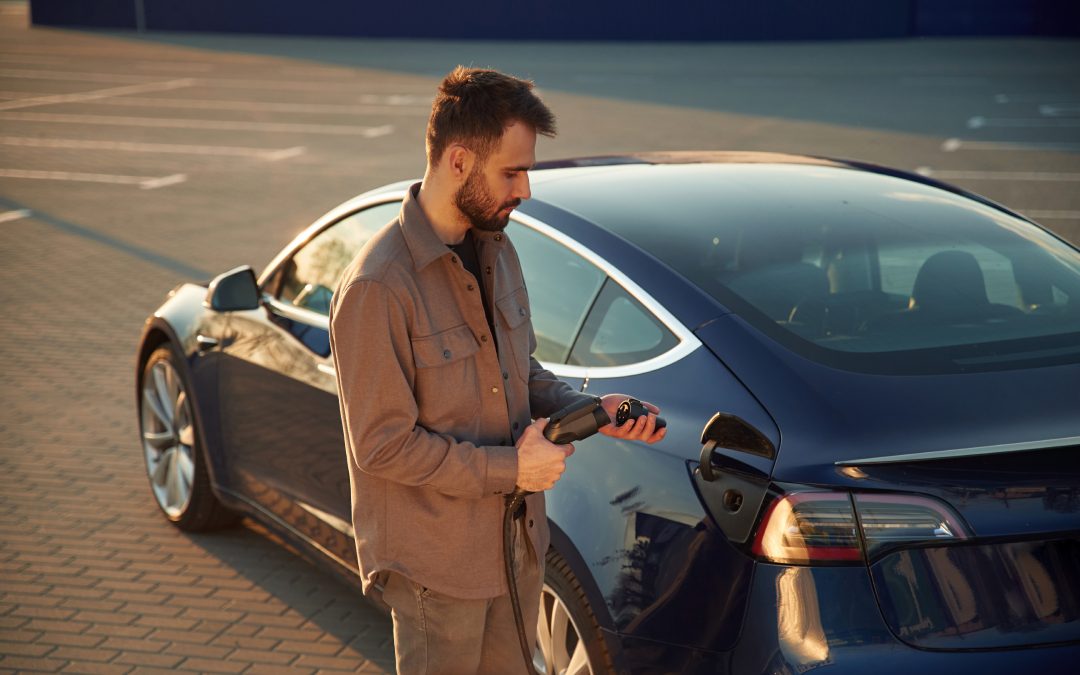
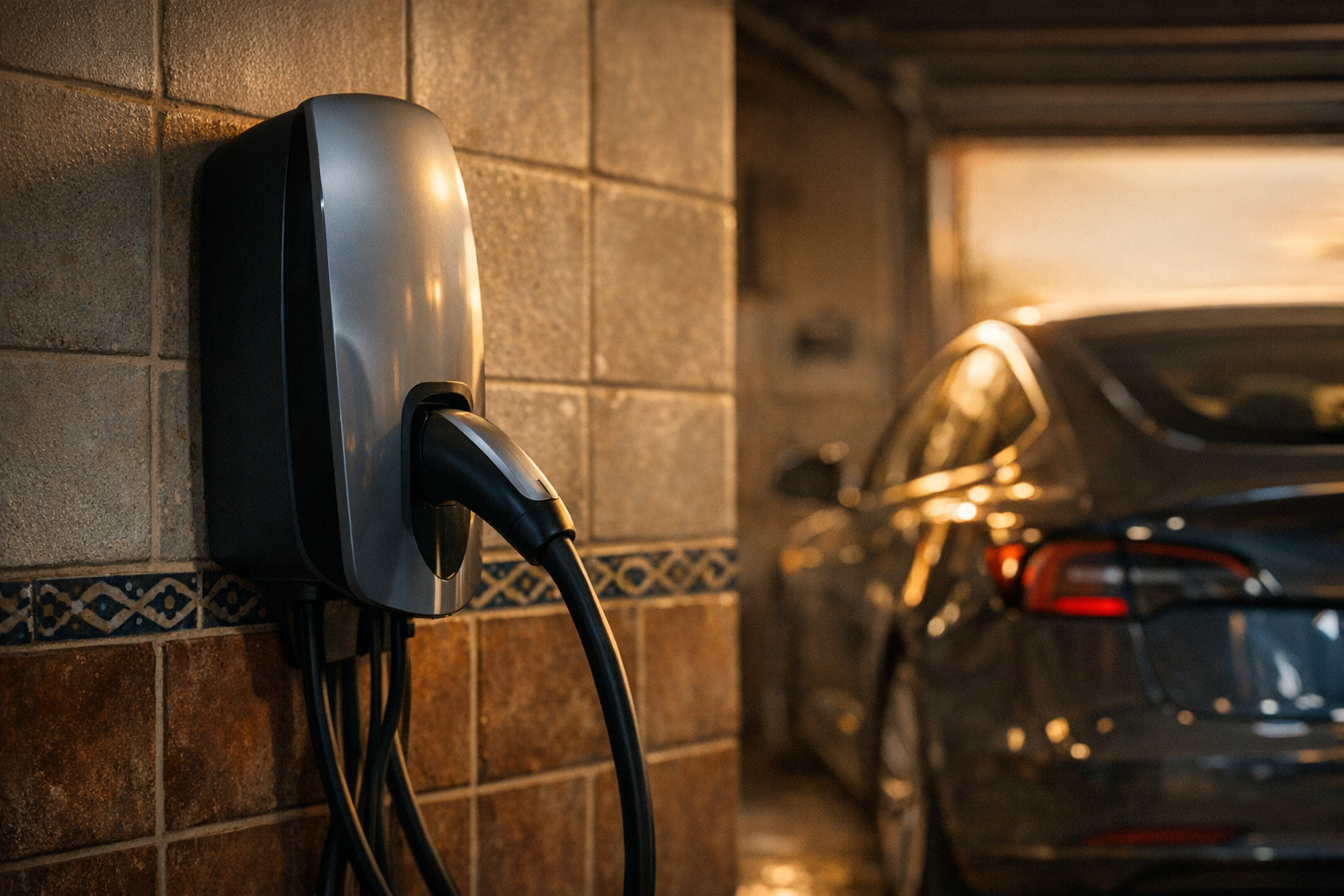
If you have a domestic 7 kW wallbox (the most common setup for a Spanish single-family home), the price depends 100% on your electricity tariff:
Flat tariff: between €0.15 and €0.20 per kWh. Charging a Model 3 Long Range from 10% to 80% costs between €7.40 and €10 and gives you about 320 km of real range.
Time-of-use tariff (night valley): €0.08 to €0.12 per kWh between midnight and 8am. Same charge can cost €4 to €6. This is unbeatable if you can charge overnight.
Compared with gasoline: driving those 320 km in an equivalent combustion car (6 l/100km, gasoline at €1.60/l) costs €30.72. Home charging at night is 5 to 7 times cheaper than filling a tank.
Tesla Supercharger pricing
Superchargers are Tesla's official network and the fastest, most convenient option for road trips. Spain has over 100 active stations, densest along the Mediterranean corridor, Madrid and northern Spain.
2026 Supercharger price in Spain: €0.29 to €0.42 per kWh, depending on time of day and whether it's V3 or V4. Charging 10–80% (roughly 50 kWh) costs €14.50 to €21.
Time: on a V4 Supercharger, that same charge takes 18 to 25 minutes. Plenty for a coffee or a bathroom break.
Idle fee if you leave the car past 80%: €0.40 to €1.00 per minute. This is deliberate: Tesla penalizes you for blocking the charger. The app warns you when it's time to move.
Public non-Tesla chargers
If you're far from a Supercharger, fast chargers from other operators (Iberdrola, Endesa X, Wenea, EasyCharger, Repsol Move) are proliferating fast. Tesla can now charge at almost all of them with the CCS Combo 2 adapter.
Public DC fast (50–150 kW): €0.40 to €0.60 per kWh. Charging 10–80% costs €20 to €30. Most expensive option but sometimes the only one.
Public AC slow (7–22 kW): €0.25 to €0.45 per kWh. Same charge costs €12.50 to €22 but takes 3 to 6 hours. Only useful if you're parked for hours.
Tip: apps like Electromaps, A Better Routeplanner (ABRP) and Plugshare show real-time pricing for each charger.
How much a Madrid–Barcelona Tesla trip really costs
The classic Spanish test: Madrid–Barcelona, 620 km on the A-2. At 120 km/h with a Model 3 Long Range starting at 90%, you can make it almost without stopping — or with a 15-minute pause in Zaragoza to arrive relaxed.
One-way trip costs:
Charged at home to 90% before leaving: €7 in night electricity.
20-minute stop at Zaragoza Supercharger: €6.
Total Madrid–Barcelona in Tesla: €13.
Same trip in equivalent gasoline car: 37 liters × €1.60/l = €59.
Savings per trip: €46, almost 4× less. And that's only with Supercharger; if you'd reached a home or hotel charger, it cost even less.
Real monthly cost of owning a Tesla
If you drive 1,500 km per month (average Spanish Tesla owner):
80% home night + 20% Supercharger: €35 to €50/month.
50% home day + 50% Supercharger: €60 to €80/month.
100% Supercharger (not recommended): €110 to €140/month.
Gasoline equivalent: €180 to €220/month.
Annual savings range between €1,500 and €2,000, helping amortize the upfront price gap vs combustion.
Common mistakes when budgeting
Calculating only with Supercharger prices. Superchargers are for trips; daily charging is at home. If you budget with Supercharger pricing, you get a number 3× higher than reality.
Forgetting contracted power. A 7 kW wallbox needs at least 5.75 kW contracted at home. If you have 3.45 kW (common in older flats), your wallbox charges at half speed and takes twice as long.
Not using time-of-use tariff. Switching to a tariff with night valley can save you 30–40% of the bill if you charge overnight. One of the most profitable moves for a Tesla owner.
Conclusion
Charging a Tesla in Spain is clearly cheaper than fueling with gasoline, but the savings depend heavily on where you charge. If your mix is 80% home night + 20% Supercharger, you spend €35 to €50 a month — a fraction of equivalent fuel costs.
If you want to dig deeper into how I plan each leg of a long trip, read my article on how to plan a Tesla route with ABRP. And if you want to understand what real range to expect, check real range of the Tesla Model 3 Long Range.