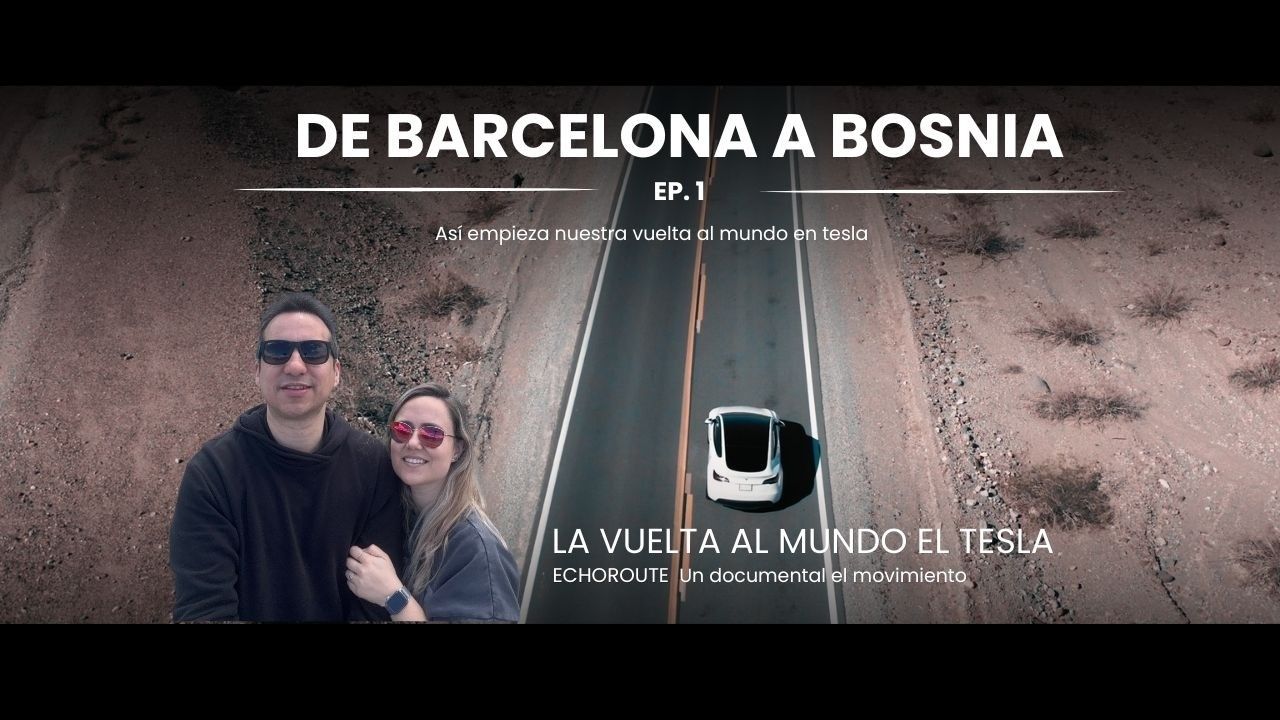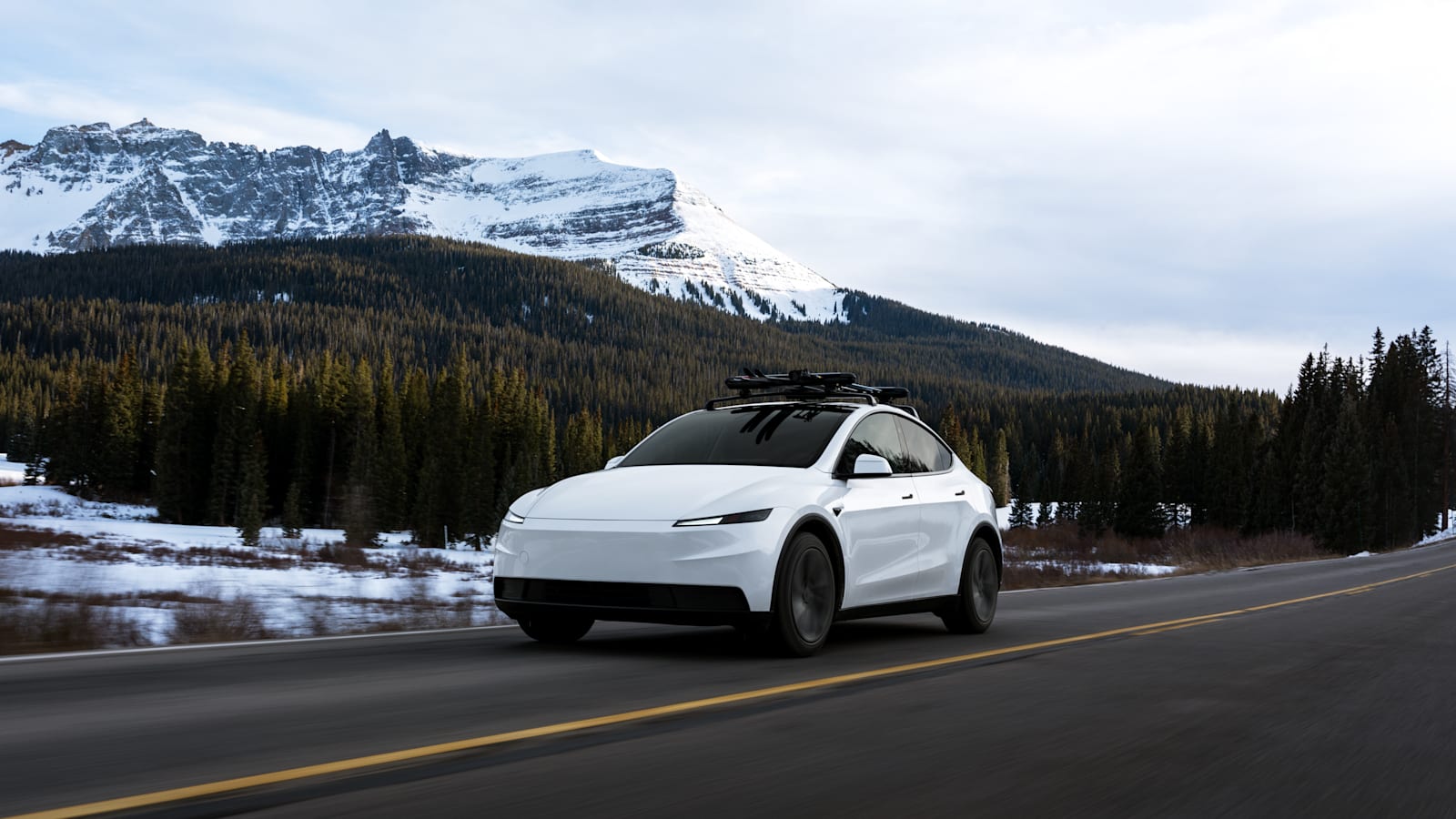
A road trip crossing Europe in a Tesla is one of the most accessible electric trips that exist today. The European Supercharger network is excellent, countries are well connected by highway, and regulations are reasonably harmonized. I'm doing exactly that with Carla — EchoRoute is our project of crossing Europe, Asia and eventually other continents in a Tesla.
This article is what we learned planning and starting to execute that trip. If you also want to do a Tesla road trip across Europe, this can save you a lot of time.
How feasible is crossing Europe in a Tesla
Short answer: very feasible. In 2026, no European country reasonably prevents you from getting around in electric. Tesla Superchargers are deployed across all EU countries plus UK, Switzerland and Norway. Combined with the non-Tesla CCS network (Ionity, Allego, Fastned, etc.), coverage is practically total.
The only European country where coverage is notably thinner is Albania and parts of the Balkans. But even there, there are already enough points to cross with planning.
The classic route: Spain → France → Switzerland → Italy → Germany → Eastern Europe
If you want an itinerary that covers the most Supercharger-rich corridors and shows the best of Europe, this route is practically unbeatable:
Leg 1: Spain (1,000–1,500 km). Starting in Barcelona, Madrid, or any Spanish city is ideal. The Spanish Supercharger network is dense. Low costs, spectacular food, varied climates.
Leg 2: France (1,500–2,000 km). Cross the Pyrenees toward the French Mediterranean (Côte d'Azur) or go up the Atlantic Way to Paris. France has one of the densest Supercharger networks in Europe.
Leg 3: Switzerland and Alps (500–800 km). Most demanding leg in efficiency terms (lots of elevation) but also the most spectacular. Switzerland has excellent Tesla network.
Leg 4: Italy (1,000–1,500 km). Northern Italy (Milan, Verona, Venice) and down to Rome. Tesla network improving fast. Watch ZTLs (limited traffic zones) in each city.
Leg 5: Germany and Austria (1,500–2,000 km). Central Europe backbone. Extremely dense network. Speed-limit-free Autobahn means watching consumption.
Leg 6: Eastern Europe (Poland, Czech Republic, Hungary, Slovenia, Croatia). Tesla network grew enormously in the last 3 years. Still some emptier zones but perfectly feasible.
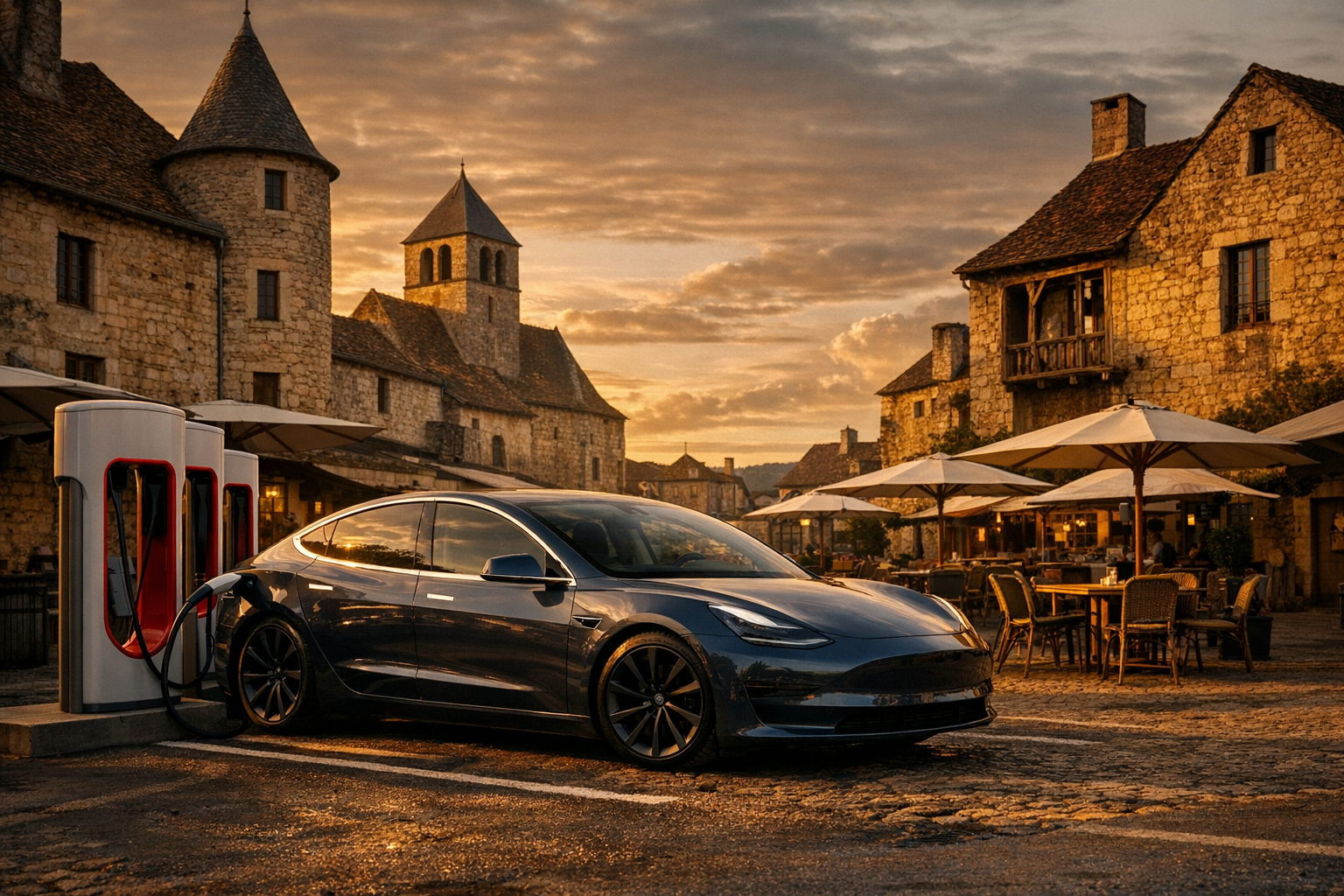
Real cost of a European road trip
Costs vary widely by country. Typical ranges for a Tesla Model 3 Long Range:
Supercharger electricity:
Spain: €0.29 to €0.42 per kWh.
France: €0.32 to €0.45 per kWh.
Switzerland: €0.42 to €0.58 per kWh (most expensive).
Italy: €0.35 to €0.48 per kWh.
Germany: €0.38 to €0.52 per kWh.
Poland: €0.30 to €0.40 per kWh.
Cost per 1,000 km in Tesla: between €60 and €110 by country. For comparison, an equivalent diesel costs between €120 and €170 in fuel for the same 1,000 km. Tesla is clearly cheaper, though the difference is less brutal than the gasoline comparison in Spain.
Other road trip costs:
Tolls in French and Italian highways: €80 to €150 per intense driving day.
Lodging (Airbnb / boutique hotels): €60 to €150 per night.
Eating out: €25 to €60 per person per day.
Vignettes for Switzerland and Austria: €40 annually per country.
Lessons learned on the route
1. Switzerland is the most expensive to charge
But also the most spectacular. If you pass through Switzerland, plan charges to enter with sufficient battery and minimize charging time on Swiss soil.
2. Vignettes are mandatory
Switzerland, Austria, Czech Republic, Slovenia, Hungary: to drive on highways you need an adhesive or digital vignette. Without it, heavy fine. Buy it before crossing the border.
3. Superchargers in peak tourist zones have queues
August on the Côte d'Azur, summer weekends in northern Italy: charge an hour before or after peak hours (12–14h, 19–21h).
4. Range drops a lot in Alps and Pyrenees
Driving in high mountain with heating is costly. Add 15–20% margin over what ABRP says when crossing mountain ranges.
5. Italy and ZTL: watch fines
Almost all medium and large Italian cities have Limited Traffic Zones (ZTL) where only residents and authorized vehicles can enter. Cameras detect your plate and the fine arrives by mail at home, seriously. Teslas are easily identifiable — don't trust luck.
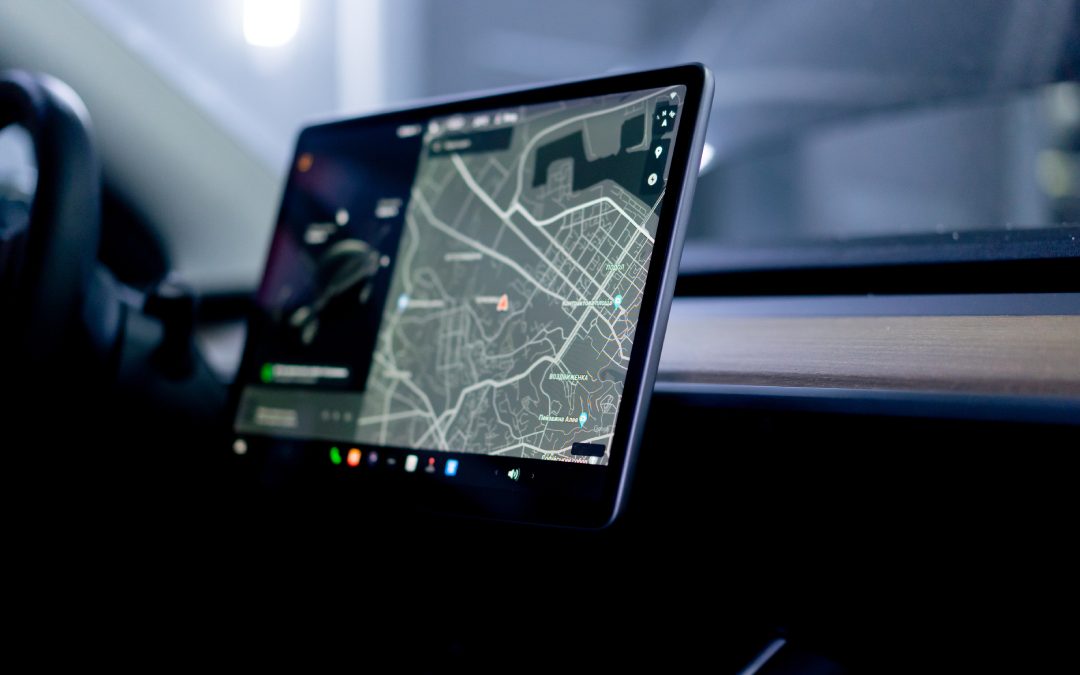
6. Apps I use daily in Europe
Tesla app (native planning).
A Better Routeplanner (non-Tesla chargers).
Electromaps (real-time reviews in Europe).
Plugshare (international alternative).
Park4Night (parking and sleeping).
Google Maps (maps and alternative routes).
Pre-trip planning
Before leaving, do this:
1. Define max daily legs. More than 600 km a day is exhausting in electric. 400–500 km is the sweet spot.
2. Book accommodation with a charger or near one. Arriving to sleep and charge at the same time is the best scenario. Hotels with Tesla destination chargers are increasingly common.
3. Bring the right adapters. CCS Combo 2 for non-Tesla chargers, Schuko for emergencies. Your Tesla already includes the standard Type 2 cable.
4. Verify international insurance coverage. If you'll cross several countries, make sure your policy covers each. The European green card is usually included in EU policies.
5. Download offline maps. In remote zones or poor signal (some mountain passes, rural areas), offline Google maps save you.
Mistakes first-time electric road trippers make
Driving at the maximum allowed speed. On German autobahns at 160 km/h, consumption skyrockets. Drop to 120–130 and double the useful range.
Charging to 100% at every stop. Time waste. Charge from 10 to 80% only, unless the next charger is far.
Not considering tolls in budget. France and Italy have expensive highways. For a European cross-continent, add €300–500 just in tolls.
Cramming the day with too many kilometers. The point of the road trip is to enjoy. More than 500 km a day and you'll arrive exhausted.
Conclusion
Crossing Europe in a Tesla is one of the most accessible experiences to do an electric road trip today. Infrastructure is no longer a problem; planning does make a difference. With two planners in parallel (Tesla App + ABRP), reasonable battery margins, and flexibility to adjust the itinerary, you can cover 6,000–8,000 km without stress.
If you want to see how I plan each leg in detail, read how to plan a Tesla route with ABRP. And if you're interested in the next step of the EchoRoute trip (Eastern Europe → Asia → Oceania), follow the travel stories.