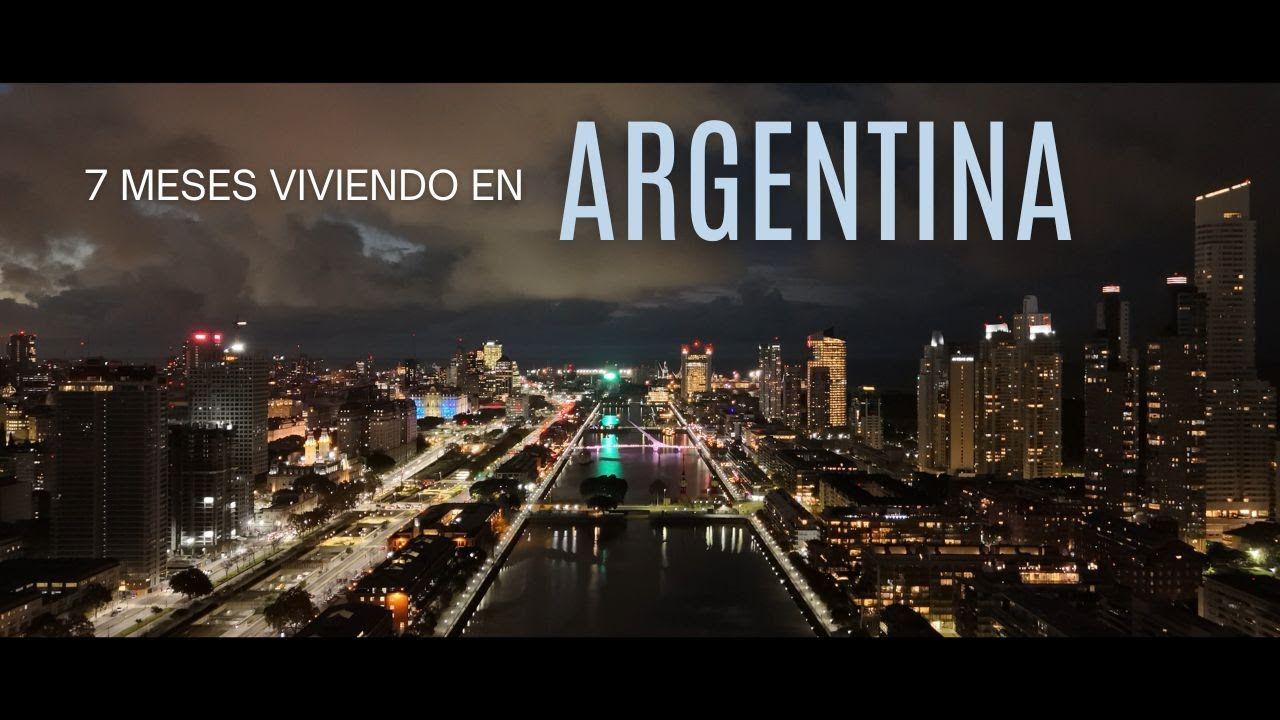
When you think about returning to a city where you lived for so long, you imagine a specific moment. Arriving, reconnecting, visiting the same places and feeling something concrete. But in my case it wasn't like that. Returning to Buenos Aires wasn't a moment, it was a seven-month process. And that completely changes the experience.
Because one thing is returning for a few days, seeing people, moving through familiar places and keeping a more emotional impression. Quite another is settling in, getting back into a routine, working, organizing yourself, living day to day. That's where you really understand what changed.
During those months, what initially seemed familiar began to show nuances. Buenos Aires was still Buenos Aires, with its rhythm, its intensity, its way of relating, but I no longer experienced it the same way. I wasn't a tourist, but I wasn't exactly in the same place as before either.
Living the city from a different place
At first there's something comfortable about returning. You know how everything works, you understand the codes, you move without thinking. But as the days go by, a deeper feeling appears: you start noticing things you didn't see before.
Details in the way of working, in timing, in the way people organize or face problems. Things that used to seem normal now catch your attention. Not necessarily for better or worse, just different from what you got used to living abroad.
Your relationship with the city also changes a lot. Places that were once routine you now observe with a different perspective. You walk through streets you know by heart, but with a different distance, as if you were analyzing something you used to take for granted. That mix between familiarity and strangeness is constant throughout the entire process.
People, time and what keeps going without you
One of the clearest points during those seven months was understanding that time doesn't stop for anyone. When you leave, it's easy to think you leave everything more or less the same, as if at some point you could pick up from there. But it's not like that.
People continue with their lives, evolve, change their priorities, make decisions. And when you return, you find different versions of those people. It's not negative, but it does force you to reposition yourself. You're no longer exactly part of the same moment you remembered.
That also changes the dynamic. Relationships are rebuilt from a different place, with different maturity, with different distance. And in some cases, they simply don't fit like before. It's a natural part of the process, but it still makes you think.
What really changes is you
After seven months living again in Buenos Aires, the clearest thing is that the biggest change isn't in the city, but in yourself. The way you think, analyze situations, make decisions, is no longer the same.
You notice it in daily life: in how you work, in what you value, in what you tolerate and what you don't. There are things you used to accept without questioning that you no longer do. And others you perhaps didn't see before that you now appreciate much more.
That transformation is what makes returning not really returning. Because even though you're in the same physical place, the way you live it is completely different.
EchoRoute and the idea of not staying in one place
This video was born during those seven months, but it also connects directly with what I'm building today. EchoRoute has a lot to do with this: with moving, with changing, with exposing yourself to different realities and accepting that each stage transforms you.
There's no final version or definitive place. There are processes. There are moments. There are cities that mark you and stages that transform you.
Living in Buenos Aires after being away wasn't going back, it was better understanding the journey. And above all, confirming something I'm increasingly clear about: the path isn't linear, and that's precisely what makes it interesting.