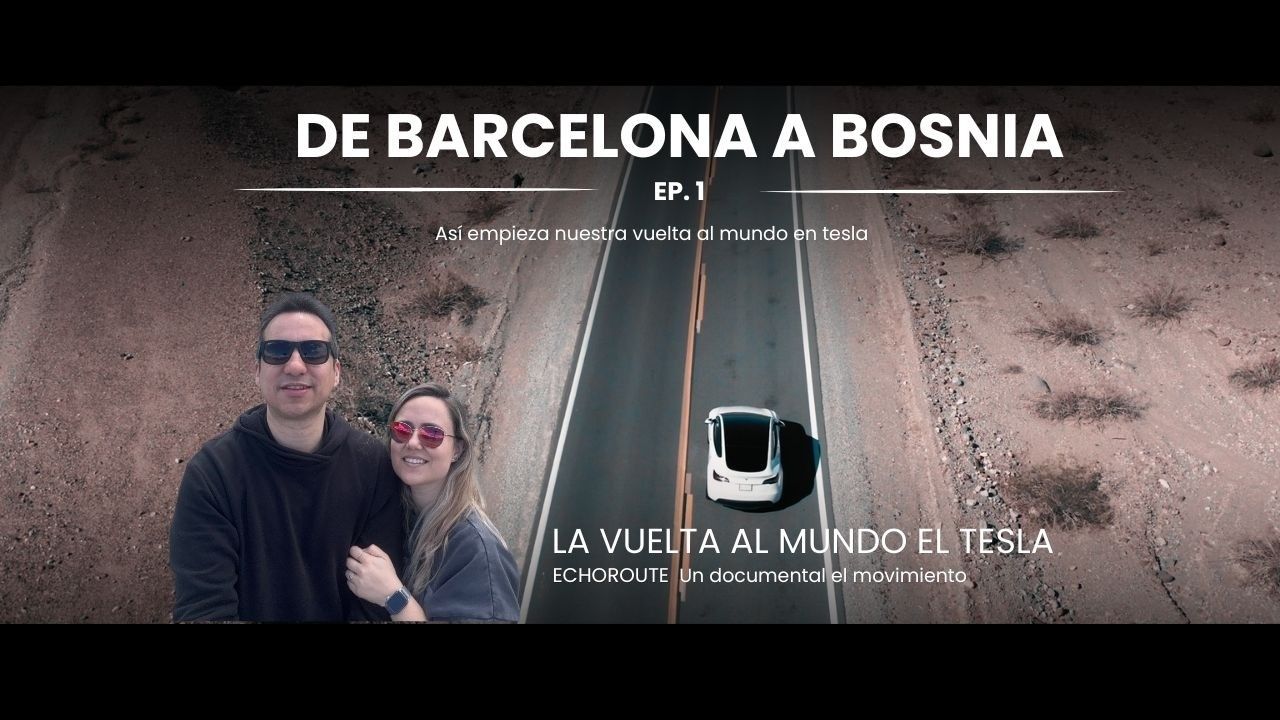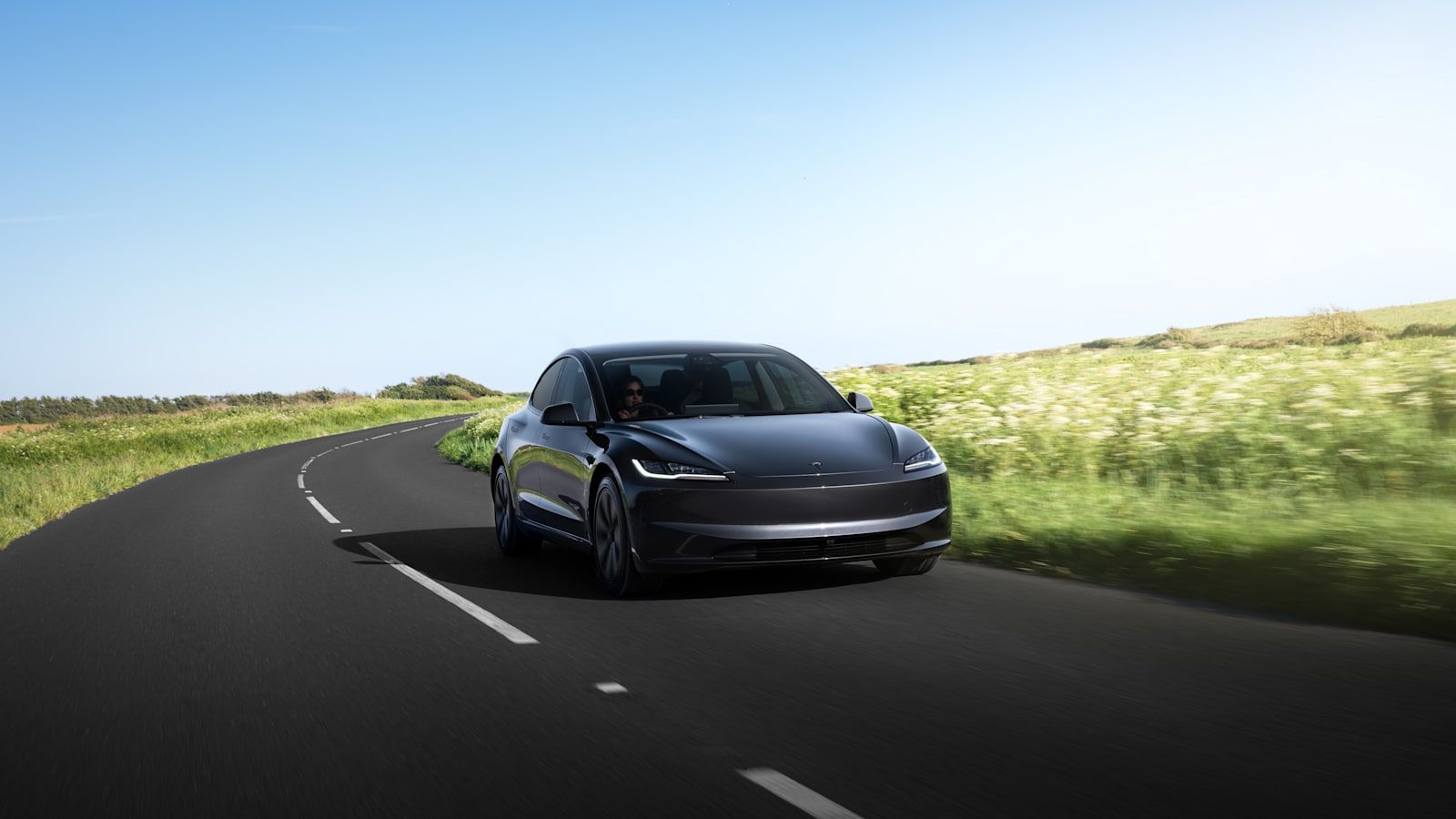
When we started planning EchoRoute, the trip to cross the world in a Tesla with Carla, the question that kept coming up on social media was: are you going to sleep in the car? Short answer: no. Long answer is the one worth telling: the Tesla Model 3 can transform into a mini RV much better than most people imagine, and Camp Mode is one of the most underrated features of the car.
We prioritize good workspaces and proper rest, so we sleep in accommodations. But we spent hours studying, testing and talking to owners who do sleep in their Tesla, and this article is the summary of everything we learned. It's the guide I wish I'd found in English before starting.
What is Tesla Camp Mode and what is it for
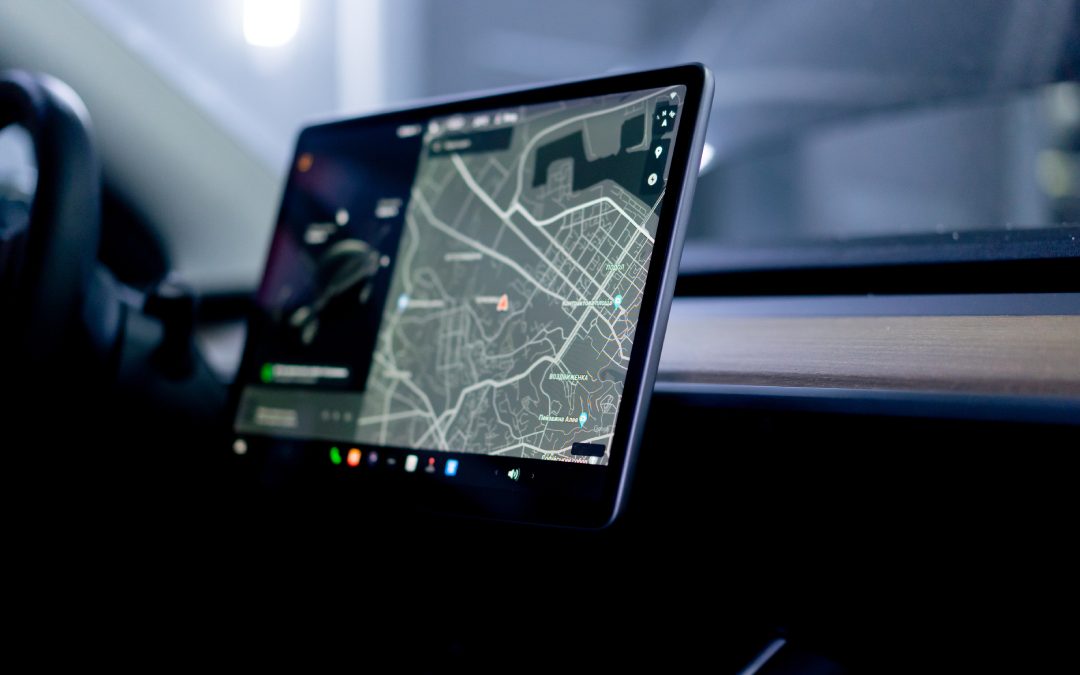
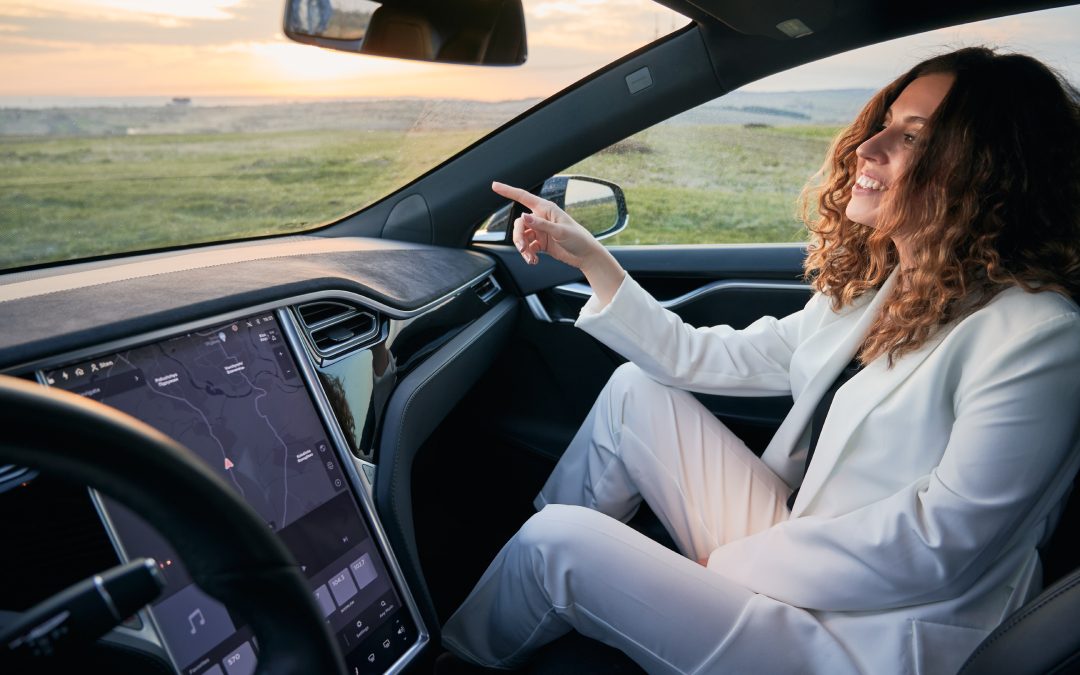
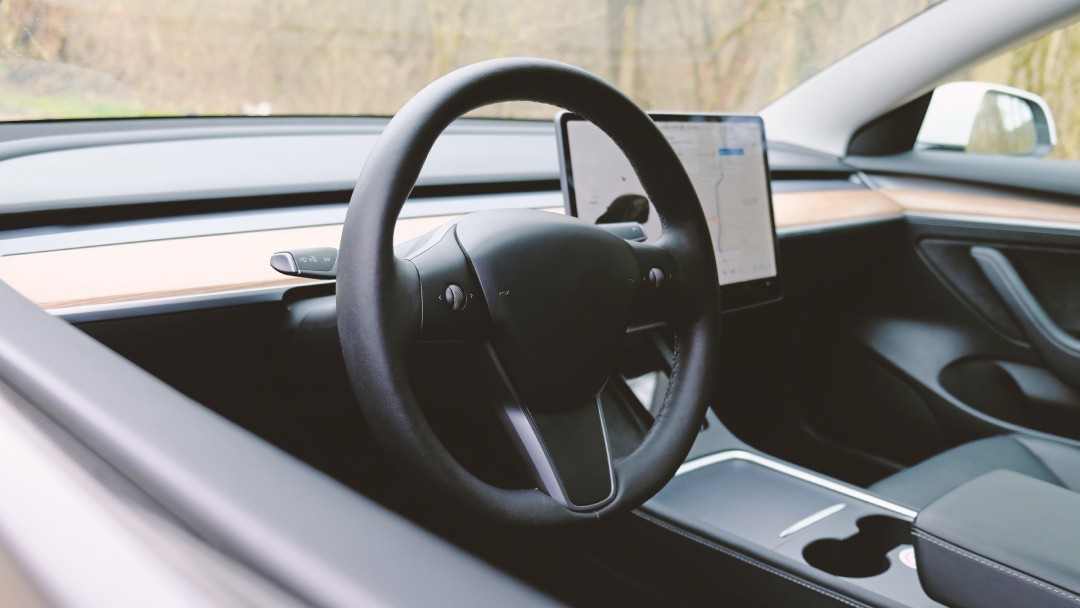
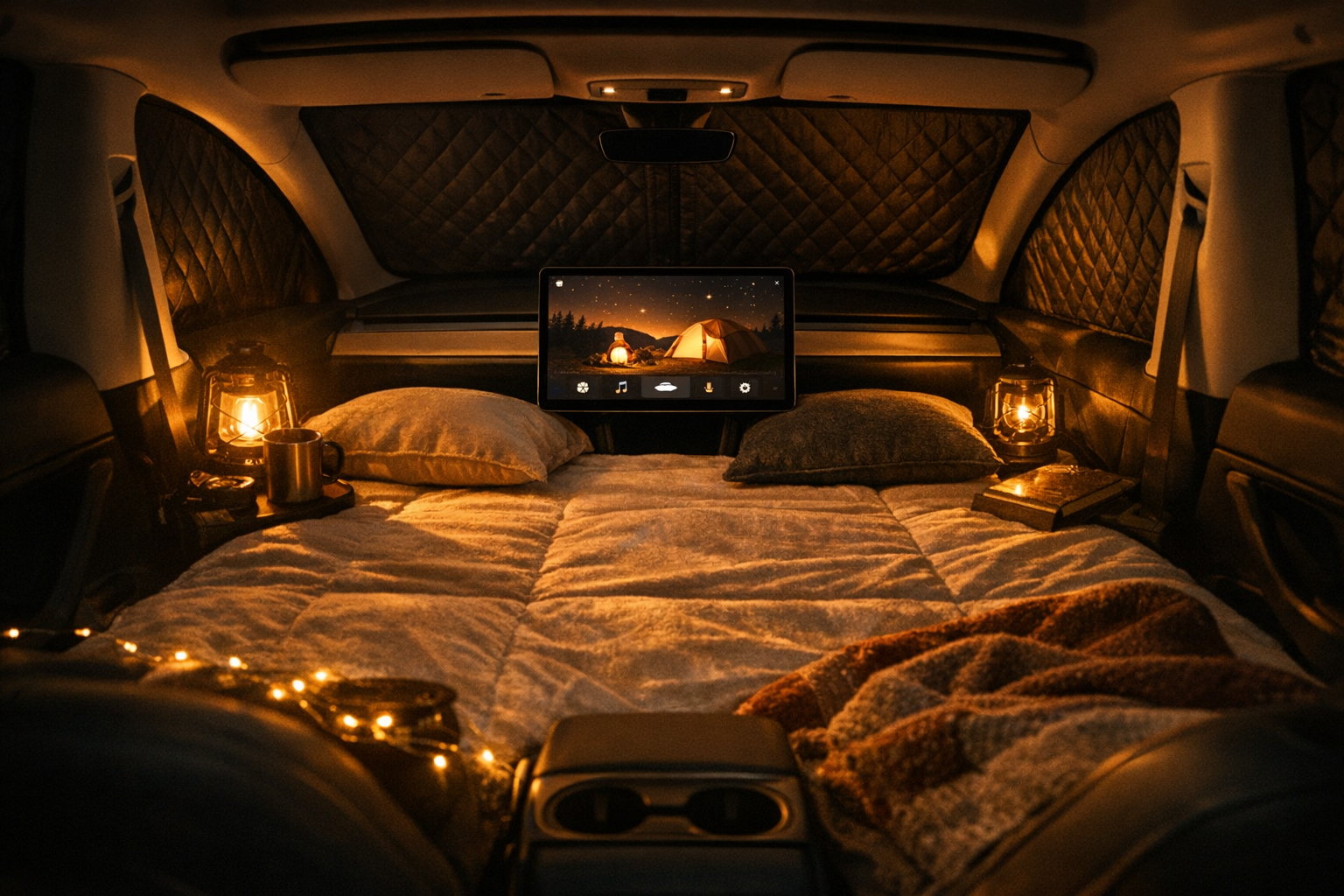
Camp Mode is a Tesla setting that keeps the car habitable for hours while the engine is off. It maintains climate control (cooling or heating), interior lights available, USB ports active for charging devices, and the central screen on to use Netflix, Spotify or any of the integrated apps.
You activate it from the central screen → Controls → Camping. Once on, the car stops showing the "vehicle ready to drive" message and understands you'll be parked for a while. Climate control holds the temperature you set, regardless of what happens outside.
Battery consumption with Camp Mode on varies between 1 and 4 kWh per night, depending on outside weather. In summer with 25 ºC outside and 19 ºC inside, it uses very little. In winter at -5 ºC with heating at 21 ºC, it can reach 10–15% battery per night. Check ABRP or your planning app before risking it.
Is sleeping in your Tesla actually worth it?
Depends on the trip and on you. These are the real pros and cons I heard from owners who have been sleeping in their Model 3 or Model Y for over a year:
Pros: You save 80 to 200 USD per night on hotels. Total freedom to stop wherever you want (legally). Camp Mode keeps the temperature perfect. The big screen and audio system make it more comfortable than most camping tents. Waking up with a view of a lake, a mountain or the desert, without being in a tent, is genuinely different.
Cons: The Model 3 doesn't have a fully flat reclinable space from the factory — you have to recline the front seats or fold the rear ones, and the angle is never perfect. The Model Y is much better for this because the flat rear trunk lets you build a real "bed." There's no bathroom and no kitchen. If you need a shower, you depend on gyms, truck stops or premium gas stations. And no matter how comfortable, a night in a Tesla will never be the same as a good bed.
Minimum setup to sleep comfortably in a Tesla Model 3
If you decide to try it, the most repeated recommendations from people who do it regularly:
Custom inflatable mattress. Several brands sell mattresses specifically for Model 3 and Model Y. Tesmat and Dreamcase are the two best known, but there are cheaper alternatives on Amazon that work fine.
Magnetic curtains or sun shades for every window. For privacy and to maintain temperature. The official Tesla sunshades for the glass roof are almost mandatory — without them sunrise wakes you up.
A thick blanket and pillows. Even though Camp Mode holds temperature, there are moments during the night when the air cools and you'll appreciate them.
A USB-C extension with multiple outlets. To charge your phone, small lamps and any device in the middle of the night without stretching to the dashboard.
A small LED light or lamp. The Model 3 ceiling lights are functional but harsh when trying to sleep. A warm-light LED lamp changes the ambient completely.
Where to park your Tesla to sleep (legally)
This is the part that varies most by country. What we learned in Western Europe and what I researched about the US, the two main markets:
United States: the most friendly system in the world for this. Walmart allows free overnight parking in many of its lots (check each one beforehand), Cracker Barrel does the same, and state Rest Areas are legal almost everywhere. Apps like iOverlander, AllStays and Plugshare map everything. Many state parks and national forests also allow dispersed camping in designated areas.
Spain: overnight stays allowed in highway service areas as long as you don't "camp" (no awnings, chairs or cookers outside the vehicle). Motorhome areas are the safest option. Park4Night is the app everyone uses.
France: rules similar to Spain. Aires de service on highways, and many municipalities have designated overnight spots for vehicles.
Argentina: the ecosystem is more informal. YPF service areas generally allow you to stay, especially the ones on Route 40 and Route 3 that are equipped for truckers. Always worth asking first.
Universal rules we learned: avoid residential urban areas, leave no trace, arrive with daylight, leave early, and if anyone asks you to move, move without arguing. The number one rule of silent nomadism is don't draw attention.
How much battery you actually use sleeping: real data
Numbers from three owners who sleep regularly in their Tesla, all with Model 3 Long Range:
Summer (18 to 25 ºC outside, A/C interior at 20 ºC): 4 to 6% battery over 8 hours. Roughly 1.2–1.8 kWh.
Spring/fall (10 to 18 ºC outside): 2 to 4% battery over 8 hours. The best scenario.
Winter (-5 to 5 ºC outside, heating at 20 ºC): 8 to 15% battery over 8 hours. Make sure you have a Supercharger or fast charger nearby when you wake up.
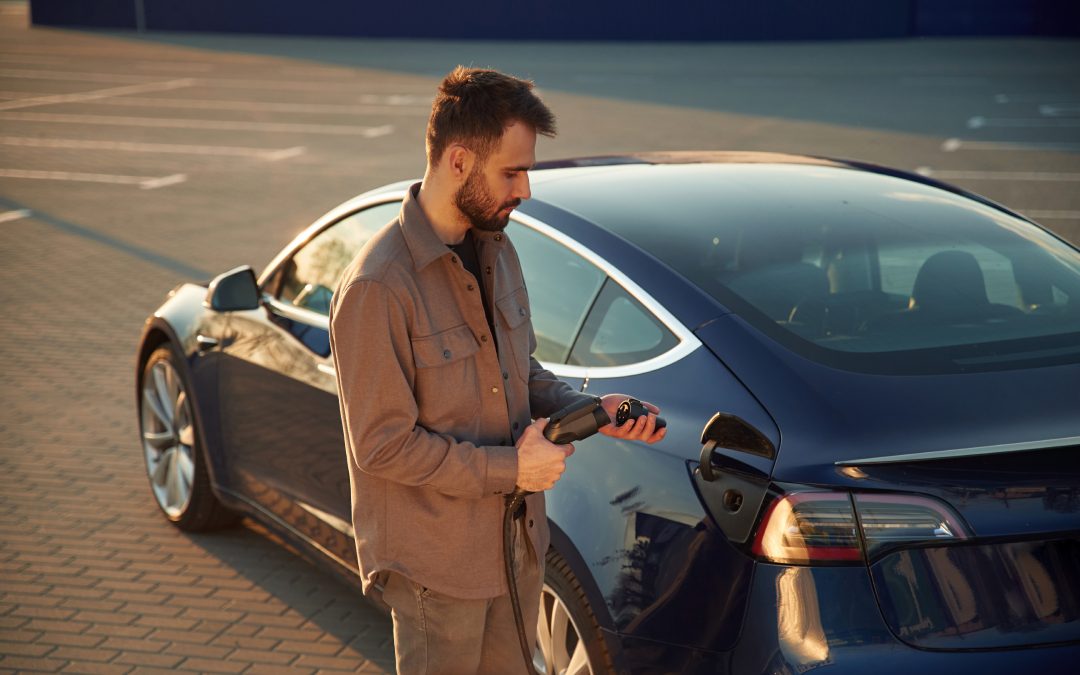
Key tip: battery is preserved much better if the car is plugged into a slow charger (Type 2 at 7 kW) overnight. Camp Mode with the car plugged in is the perfect combo — ideal temperature all night, and you start the next day at 100%.
Mistakes first-time Tesla campers make
Common mistakes I heard from experienced owners:
Assuming the Tesla alone won't run out of battery. Arriving somewhere remote with 30% and sleeping with strong heating can leave you at 15% with the nearest charger 100 km away. Plan.
Not using window sunshades. Dawn in a Tesla without sunshades is brutal. If your plan is to sleep until 9, sunshades are not optional.
Reclining the front seats as the solution. Works for a nap, not for a full night. Your spine will thank you if you use the rear seats or, even better, a mattress in the trunk if you have a Model Y.
Parking facing west. The sunset enters through the windshield and the car heats up before bedtime. Look at the compass on the screen and orient north or east.
Is the Model Y or Model 3 better for this?
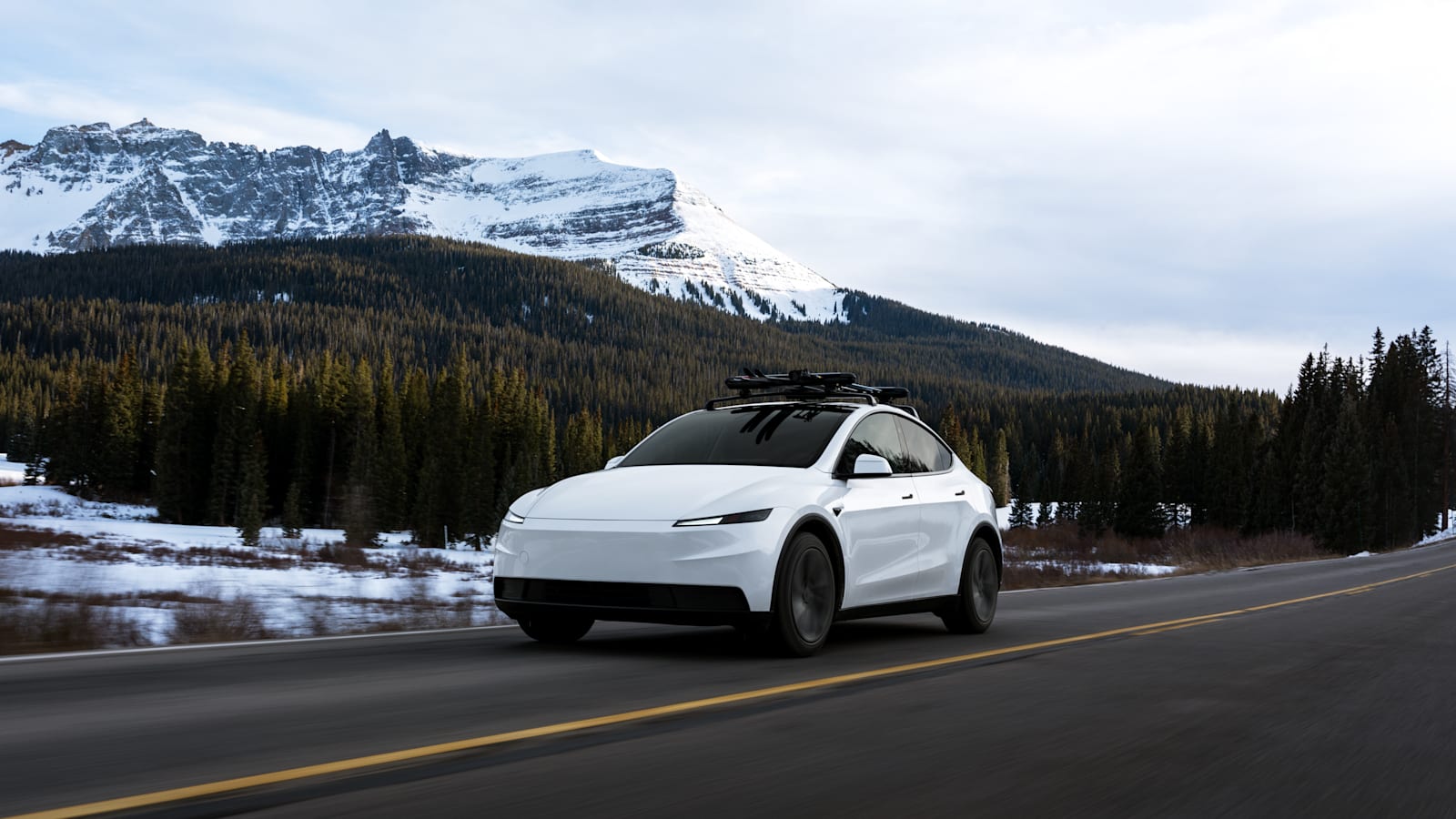
If your plan is to sleep frequently in the car, the Model Y is far superior. The flat rear trunk lets you build a full-body mattress without reclining anything, there's more interior height and the overall geometry is that of a compact minivan.
The Model 3 works, but requires more creativity: fold the rear seats forward to create continuity with the trunk, or recline the front seats almost fully. Viable, but less comfortable.
If you're planning to sleep one or two nights per trip in specific situations, the Model 3 works. If you're going full nomad-tourist permanently, the Model Y, Model S or Model X are better suited.
My personal conclusion (and why we don't do it)
Carla and I decided not to sleep in the car during EchoRoute for one concrete reason: we work remotely while traveling, and we need spaces with good connection, a desk, a shower and silence to record content. If we had a trip without professional commitments, we probably would have spent more nights in the Tesla.
But the number of people asking us about this, and the number of owners who do sleep in their Tesla and love it, convinced me that this Tesla feature is underrated. For many people, sleeping in the Model 3 with Camp Mode is the difference between actually doing a road trip or not.
If you're going to try it, my recommendation is to start small: one night in a safe and familiar place, see how you wake up, what you'd change, what you missed. Then scale.
If you want to see how our trip is going, you can read our travel stories where I'm publishing chapters from each leg. And if you have a Tesla and have slept in it, write me — I love adding real testimonials to improve this article.