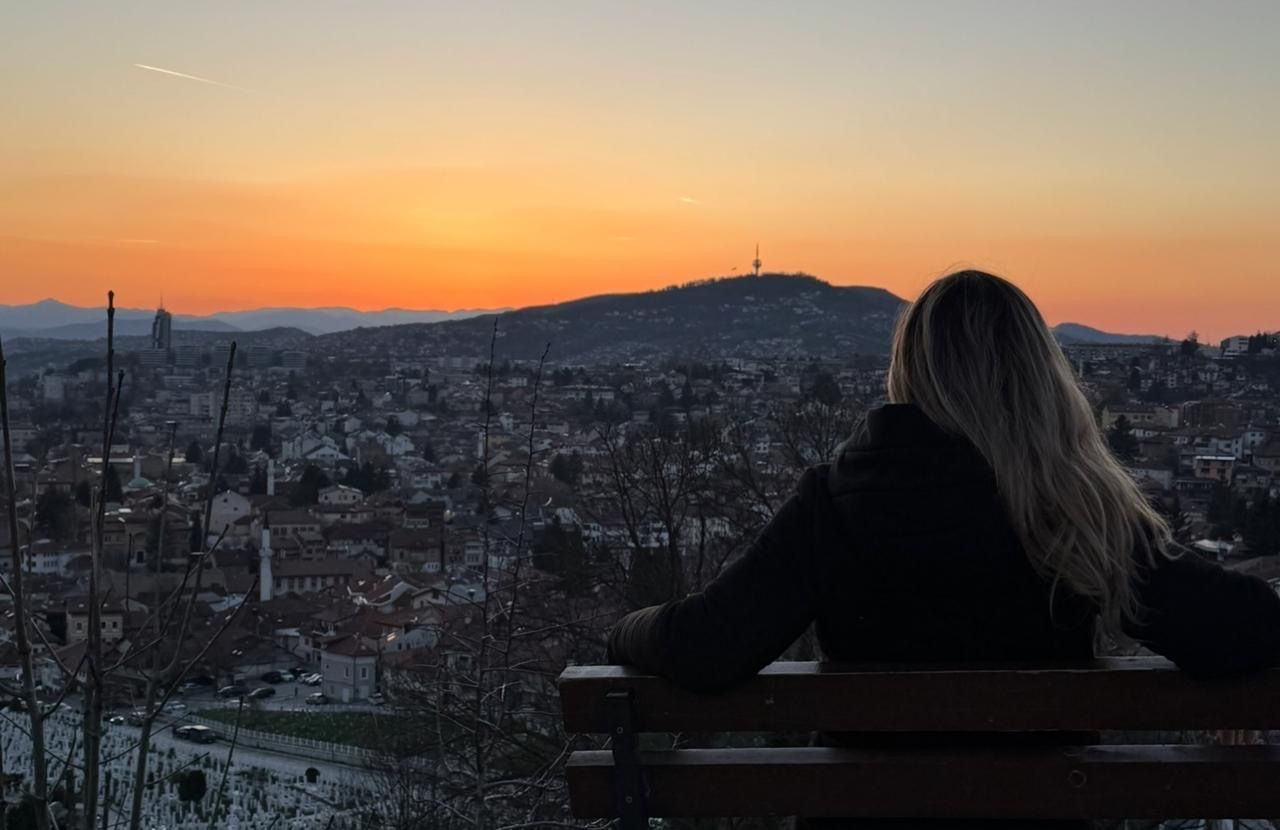
We’d decided the trip would start there. After a few months in Sitges, the plan was to get into the Tesla, cross Europe together, and arrive in Sarajevo as our first stop. At least that was the plan, until we sat down to count how much time I had left inside the Schengen area.
Gonzalo has Spanish citizenship, so for him the days weren’t an issue. I had all the paperwork to apply for European citizenship, but I’d never gotten around to it: one of those things you keep putting off, convinced there’s still time, until the calendar decides to remind you that maybe there isn’t.
We used the exact same dates, but his ChatGPT said my day 90 landed a day later than mine did. By his math we could leave together in the Tesla; by mine, if I waited, I risked overstaying. We reworded the question, asked again, and got different answers a second time. Since testing immigration to find out which AI was right didn’t seem like a great idea, we went with mine.
I bought a flight to Sarajevo, and Gonzalo set off from Spain on a four-day drive to the Balkans. When I went through immigration, the officer looked at my passport and confirmed I was leaving on the exact last day allowed. We’d been right not to wait.
The trip we’d pictured starting together ended up starting apart. Gonzalo sent me beautiful photos from the road, the scenery getting more impressive the closer he got to the Balkans, while I landed in Sarajevo alone, trying to convince myself my part of the story would have some charm of its own too. At that moment, it didn’t seem like it.
The prepaid SIM didn’t work, and the second I left the airport wifi I had no internet. I negotiated a taxi for 15 euros, pretty pleased with myself for getting a good price, until I found out I’d paid about three times the local rate; the driver seemed just as pleased with the deal. To top it off, the address led to the right block but not to the actual door, and we only found the entrance after the driver asked around with a few neighbors.
My road to Sarajevo came with an improvised flight, a useless SIM card, an overpriced taxi, and a hidden front door. It wasn’t the start I’d pictured, but I was starting to suspect that plans mostly exist to get you moving. What happens after is what ends up becoming the story.
Three Presidents for One Country
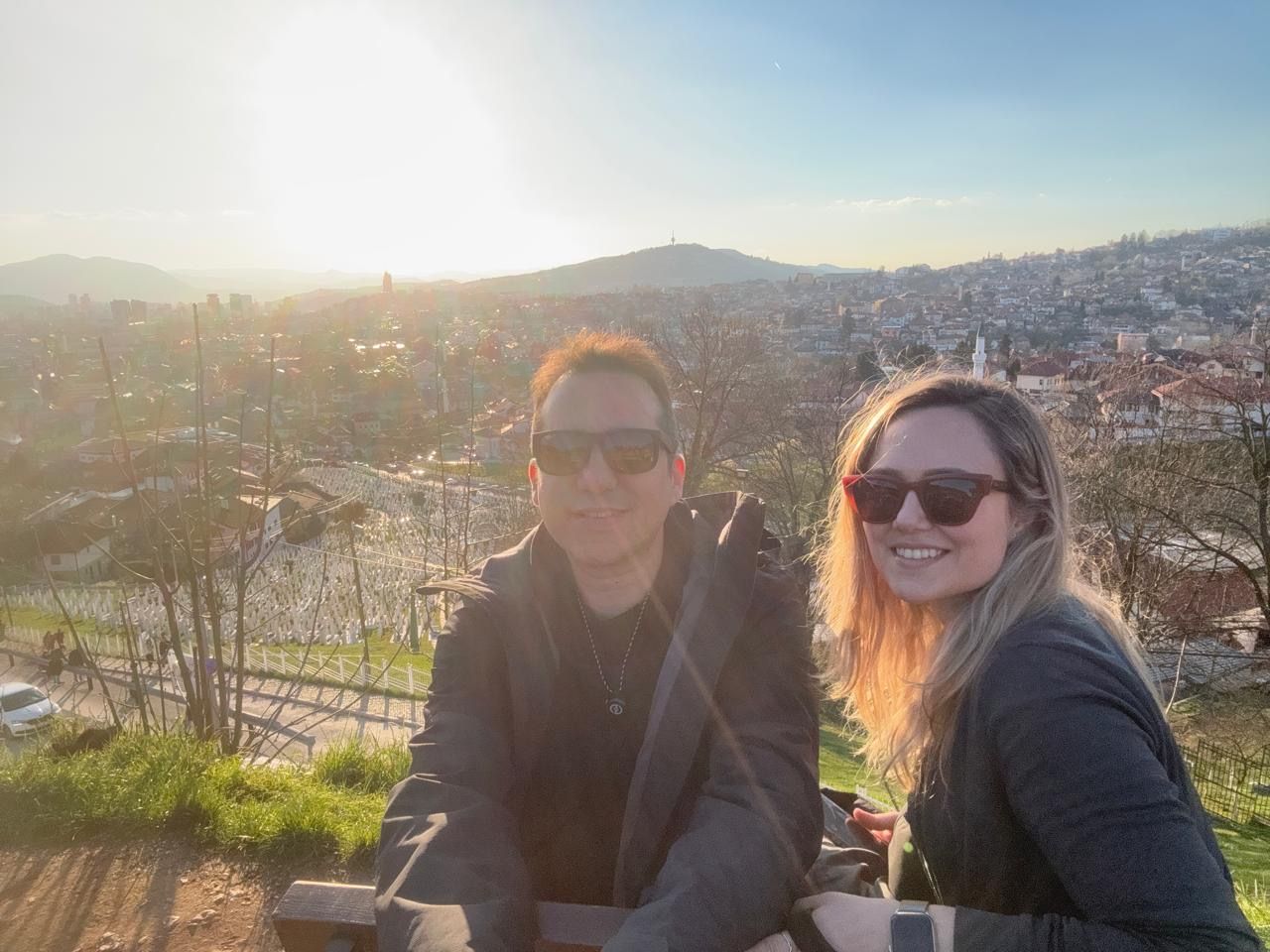
I got to Sarajevo a few days before Gonzalo and started walking it on my own. I went through it trying to crack the code: reading signs, looking up the name of every place that showed up in front of me, and sometimes ending up with three new names, two territorial divisions, and more questions than I’d started with. Sarajevo seemed willing to tell me plenty, just not in the order I needed to make sense of it.
Within a few blocks, mosques, Catholic and Orthodox churches, a synagogue, buildings from the Ottoman era, and Austro-Hungarian facades all sit side by side. Everything shared the same space with an ease that was nothing like my own effort to sort out which story belonged to what.
Coming from Latin America, where we can argue for hours about a president but still think of that role as one single person, finding out that Bosnia and Herzegovina has a three-member Presidency threw me off. One member represents Bosniaks, another Croats, another Serbs: the three of them share the head of state role, and the job of presiding rotates between them. They’re not three presidents who take turns after each term ends; they’re three people holding office at the same time, inside a system built to keep a balance between the country’s main communities.
I had to ask again because I figured I’d misunderstood. It wasn’t a translation issue, and it wasn’t my ability to follow a political explanation before coffee: the system really was that complicated.
I also found out that “Bosnian” and “Bosniak” don’t mean the same thing, even though before I got there I probably would have used them as synonyms without a second thought. Bosnian is anyone who’s a citizen of Bosnia and Herzegovina. Bosniak, on the other hand, identifies one of its three constituent peoples, alongside Croats and Serbs.
Why Sarajevo Was Hard for Me
When Gonzalo arrived, Sarajevo won him over right away. That wasn’t my experience. I could see why it mattered, I could see everything it had to offer, and I understood why he was so drawn to it, but I kept watching it from a certain distance.
The first few days I felt guilty about that. We’d landed in a city with a fascinating history, and I seemed to be waiting for it to spark something that just wasn’t showing up. It took me a while to realize maybe it wasn’t only about Sarajevo.
I was coming off saying goodbye to Sitges, where after a few months we no longer felt like we were just passing through. We had a home, a routine, and places that had become familiar: we knew where to shop, which streets to walk, what to expect from a given day. That sounds like nothing until you don’t have it anymore. Even the food felt closer to home there: Mediterranean flavors, familiar dishes, the comfort of ordering something without first having to look up what it was or how to eat it.
Leaving had left me with a small grief, the kind you almost feel you don’t have the right to call grief, since you’re the one who chose to go. I wanted to keep traveling, and I was excited about what was coming; at the same time, part of me missed the life I’d just left behind. Sarajevo caught me right there, and while Gonzalo was seeing a brand-new city, I kept comparing it to the one we’d just left.
Traveling together was also starting to show us something: a place isn’t always going to grab both of us the same way, or at the same time. Sometimes one of us connects right away, and the other needs a few more days, a different city, or a later conversation to figure out what they missed. Sharing a trip doesn’t mean having the same experience; sometimes it means accepting that the person next to you is seeing something you still can’t quite see yourself.
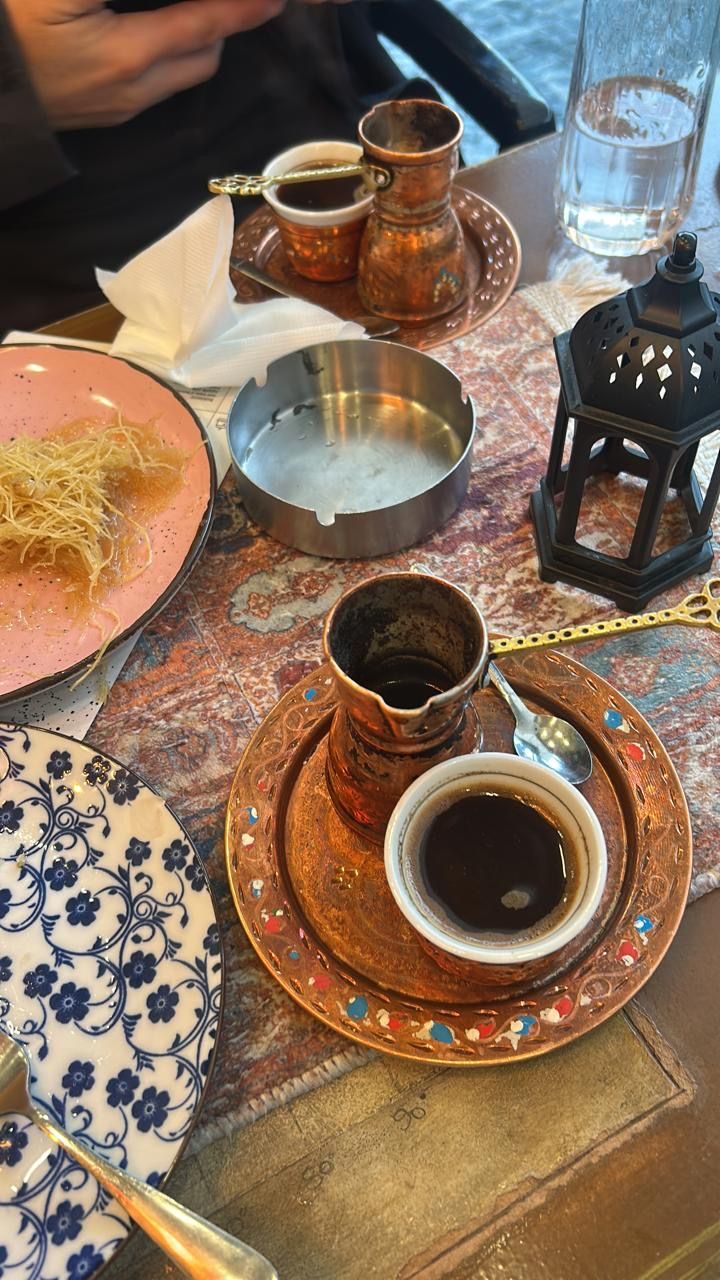
I started warming up to Sarajevo through things far smaller than its political history. One of them was Bosnian coffee, served in little cups that felt too pretty to just finish and walk off as if I’d never noticed them. I wanted to take a couple home, until I remembered the fairly obvious fact that we’d just started a long trip, and filling the Tesla with objects in the very first city wasn’t the most sensible plan.
Gonzalo came up with a solution I loved, mostly because it still let me buy things: keep a box in the car, put in whatever we found along the way, and mail it once it filled up. That day we decided to start collecting a magnet from every city we visited. Suddenly it wasn’t just about buying a souvenir anymore: after leaving a home and starting a life on the move, that box could become a place to keep small proof that we’d actually been somewhere.
Maybe that’s how homes start too. Not always with a fixed address, but with the things you decide to hold onto. Sarajevo hadn’t won me over yet, but it had already earned itself a spot inside the car.
The Latin Bridge: Where World War I Began
Sarajevo started feeling less distant once I stopped expecting it to move me right away. As we walked through it, history kept showing up in places that were still part of everyday life. There wasn’t always a grand entrance, an enormous monument, or a sign announcing that something capable of changing the world had happened right there. Sometimes there was just a bridge, people crossing it, and us trying to piece together everything that had happened around it.
We walked past the Latin Bridge, near the spot where Archduke Franz Ferdinand and his wife Sophie were assassinated in 1914. That attack was one of the events that set off World War I, though the site looked nothing like the monumental scene I would have imagined for a historical moment of that scale. It was a bridge woven into the city, with people crossing back and forth and going about their day.
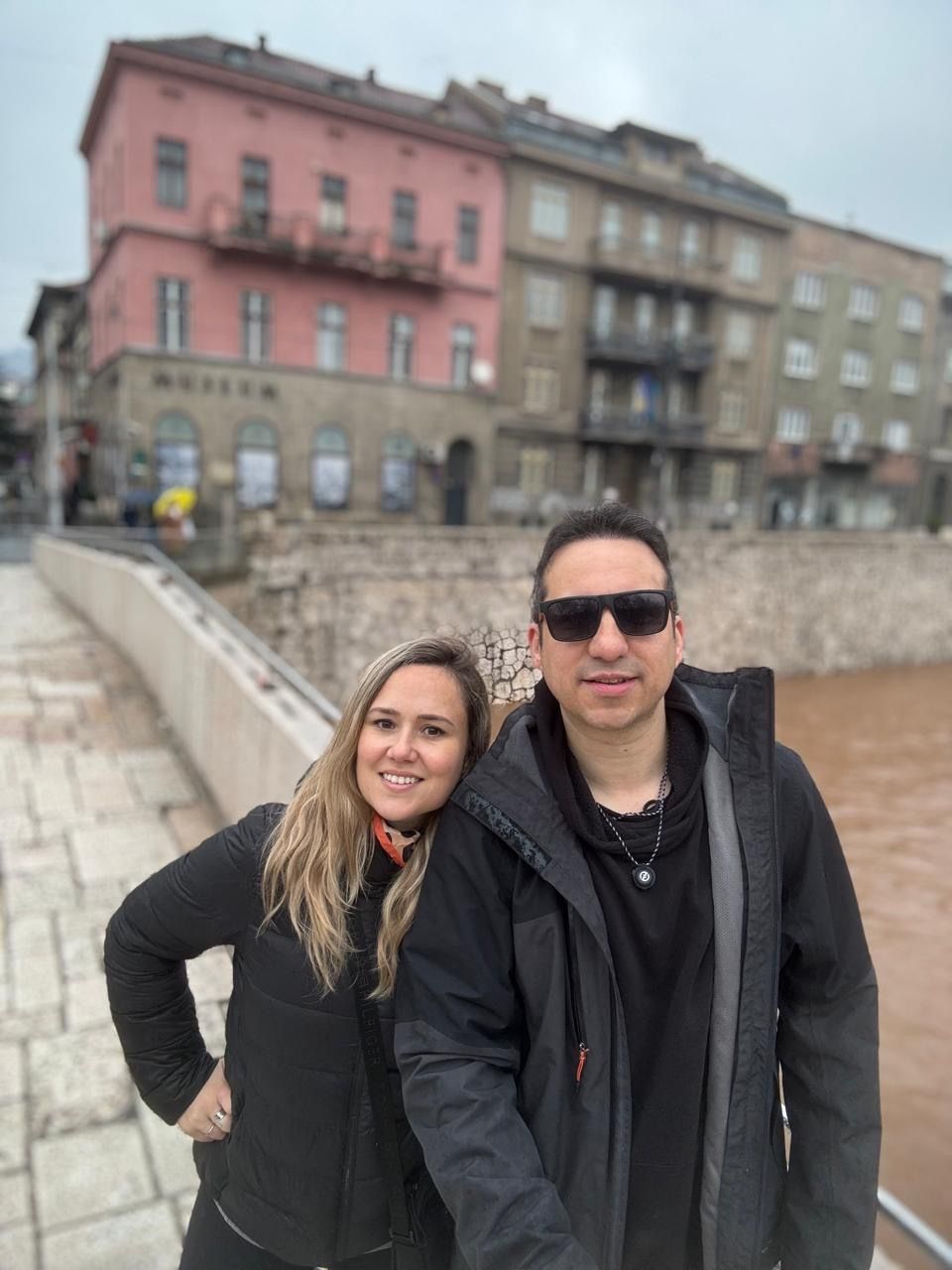
It struck me to think that a place could carry something that huge and, at the same time, still be part of the everyday route of someone heading to work or thinking about what to buy for dinner. I think I expected major historical events to come with staging to match: a massive monument, at least a sign impossible to miss. Sarajevo was showing me that it doesn’t always work that way. Sometimes the world changes on a corner that, years later, someone crosses while looking at their phone.
The Sarajevo Tunnel: How the City Survived
We also went to the Sarajevo Tunnel, built during the siege of the city (1992-1996) to keep it connected to the outside world. Over those nearly four years, roughly 400,000 residents were exposed to shelling and gunfire, with access to food, water, electricity, and medicine seriously cut off.
The tunnel was dug in 1993 under the airport runway to link the encircled city with the territory still standing on the other side. People, food, medicine, fuel, and everything else Sarajevo needed to keep holding on passed through it. The museum now sits in the home of the Kolar family, where one of the entrances used to be: after the war, as much of the original route started falling apart, the family preserved a stretch of it and gathered objects, images, and testimonies before the place became the memorial site it is today.
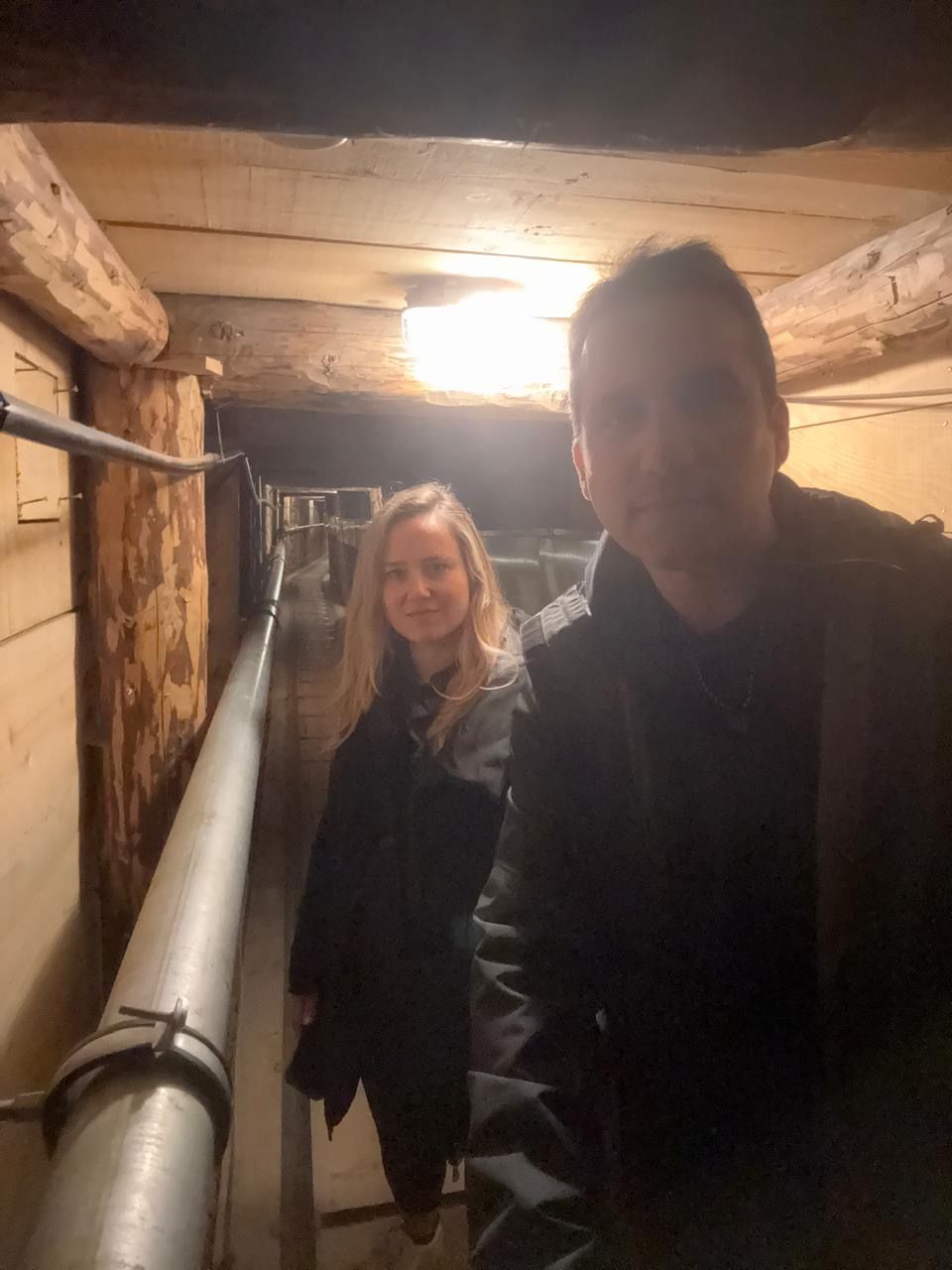
It moved me to think that, before any institutions or visitor routes existed, there was a family who understood that part of history couldn’t be allowed to disappear underneath their own house. A war can feel enormous when it’s explained through politics. Inside that tunnel, though, it came down to something basic and brutal: eating, getting treated, reaching someone, making it to the other side.
Afterward I spent a while looking at photos of daily life during the siege. There were children, families, and people trying to keep up activities that, seen from the outside, seemed impossible to square with a war. Among those scenes was a photo of a newly married couple.
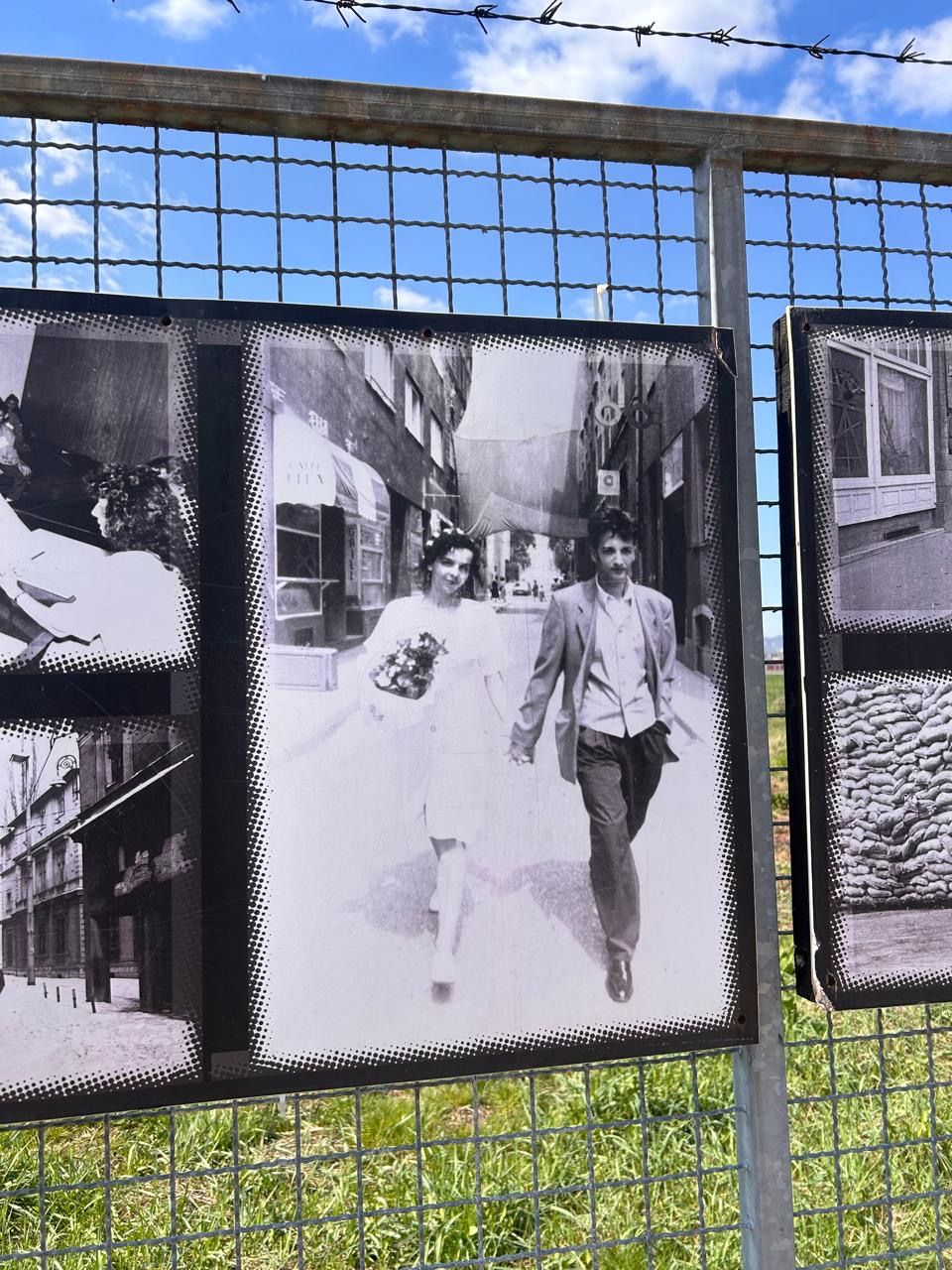
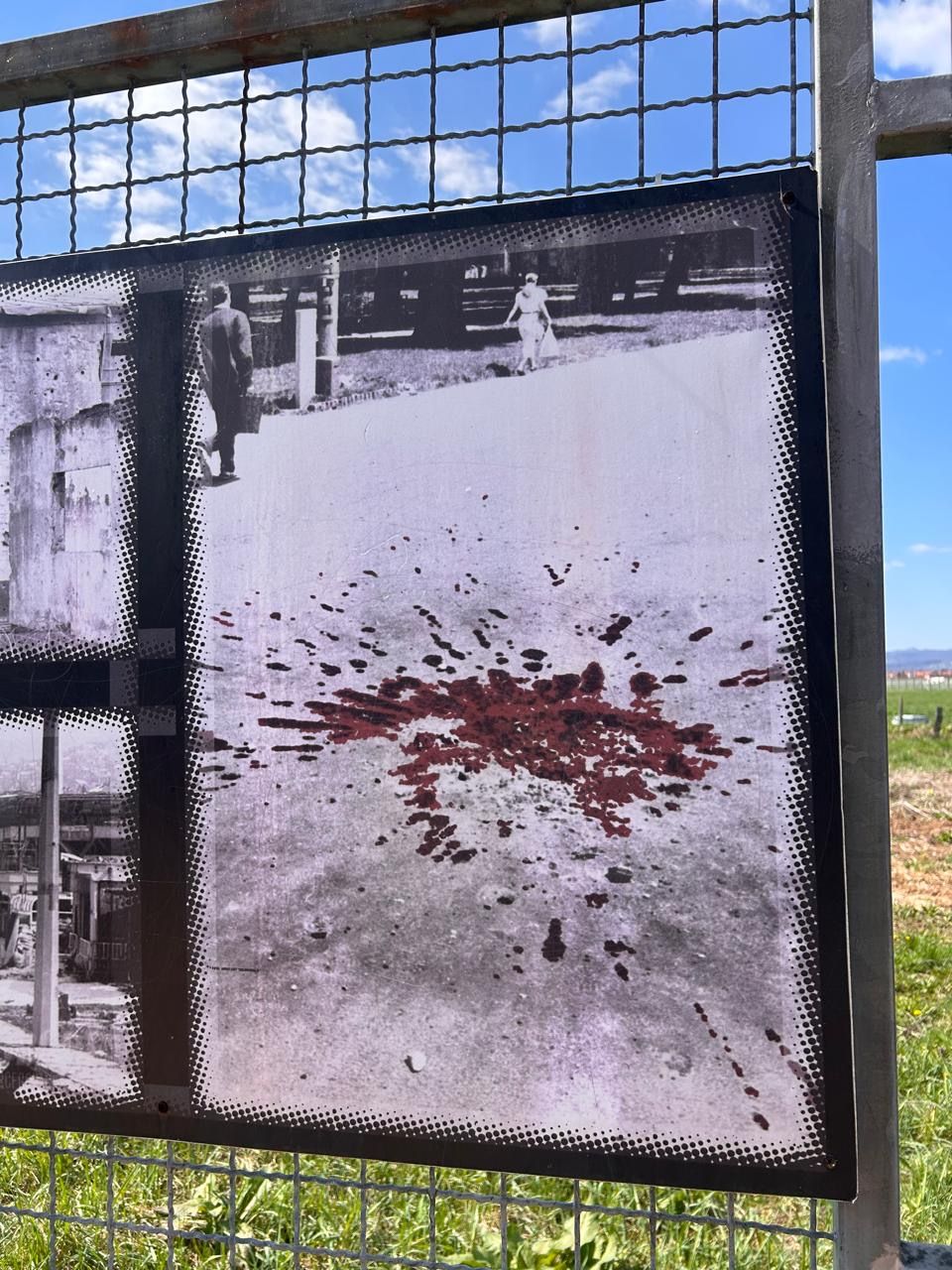
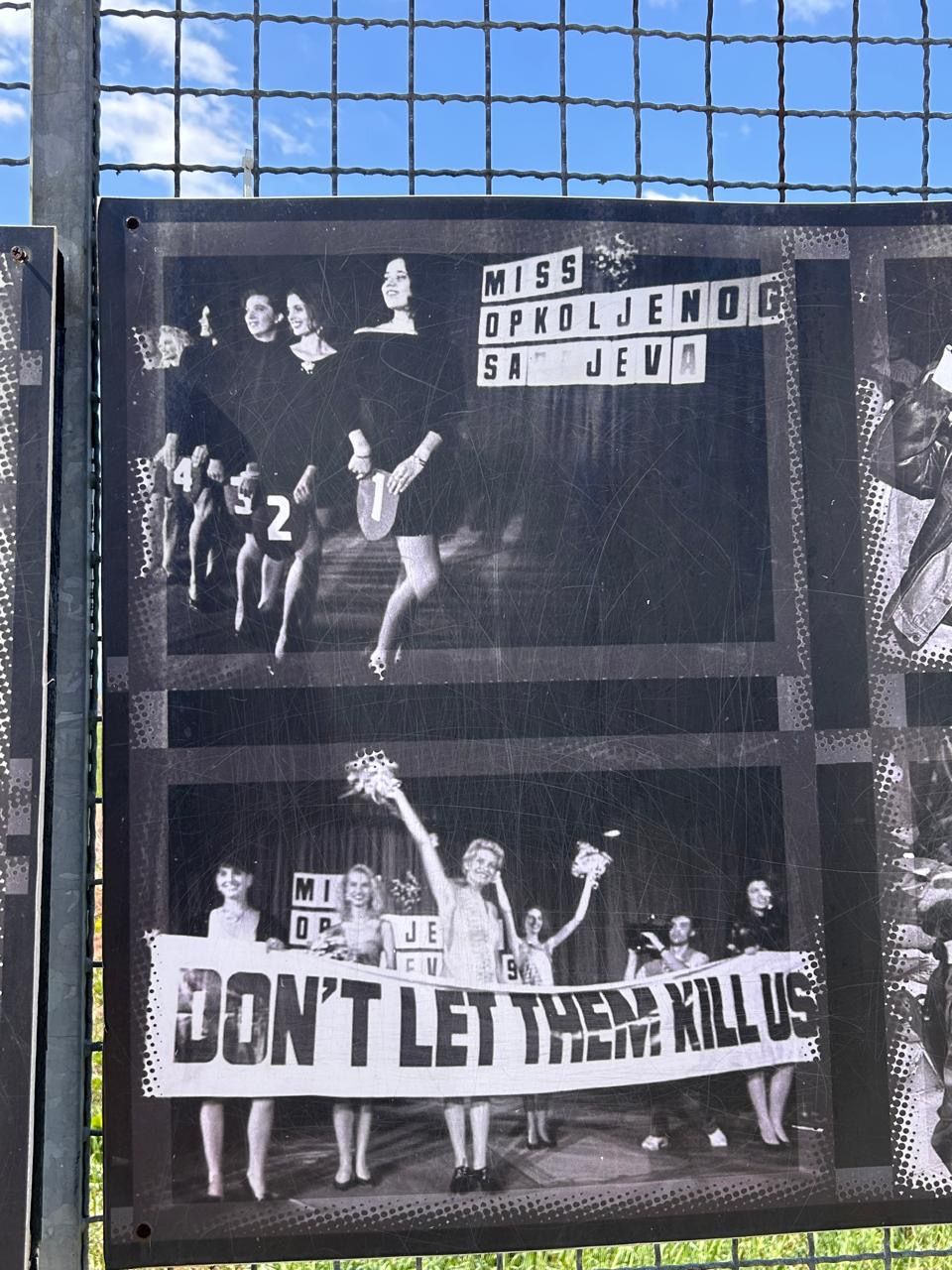
I found myself wondering what makes two people get married while a city is surrounded, when the near future is so uncertain you don’t even know if you’ll find food, or whether the person who left the house will make it back. I don’t know what they were thinking, or why they chose to do it right then. Maybe getting married was a way of refusing to hand that part of their life over too.
Sometimes we imagine love as something that needs ideal conditions: a home, some stability, plans that can actually happen. But that couple seemed to be saying something else, even if they never knew that decades later a stranger would end up staring at their photo on a screen. Maybe in the hardest moments people don’t hold onto life because they have guarantees, but precisely because they don’t. Getting married, celebrating something, or starting a family can be a way of continuing to imagine a tomorrow when the present is doing everything it can to take that away from you.
I also saw photos of children. Sarajevo especially remembers the 1,601 children who died during the siege, part of a total of 11,541 civilians killed over those nearly four years.
While those children were trying to grow up inside a besieged city, I was also growing up in the nineties, but in Argentina, with all the comforts that felt completely normal to me at the time: food, a home, a family, and the ease of living my childhood without ever wondering if it was dangerous to go outside. I hadn’t done anything to earn that safety, just as they hadn’t done anything to lose it.
Thinking about it made any attempt to explain the war through countries, religions, or political decisions alone feel pointless. In the end, part of that history was also that absurd difference between two childhoods happening at the same time, in the same world, with nothing in common.
Sarajevo never quite felt close to me, but I could no longer look at it from the distance I’d arrived with. Mostar and Trebinje were still ahead: two cities that, after showing us how Sarajevo had survived, would go on to show us how a country’s divisions keep showing up in its bridges, its streets, and its everyday life.
Coming next: Mostar and Trebinje, two different ways of understanding Bosnia and Herzegovina.


