Returning after 20 years isn't just changing countries
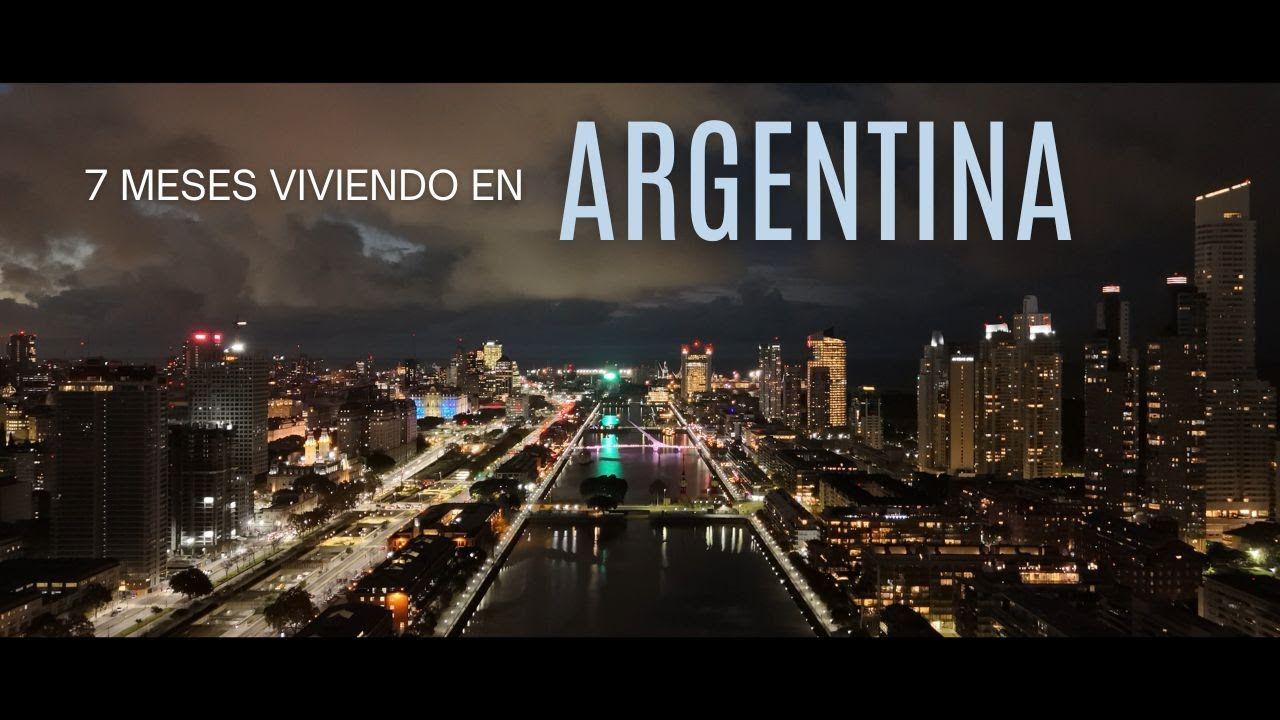
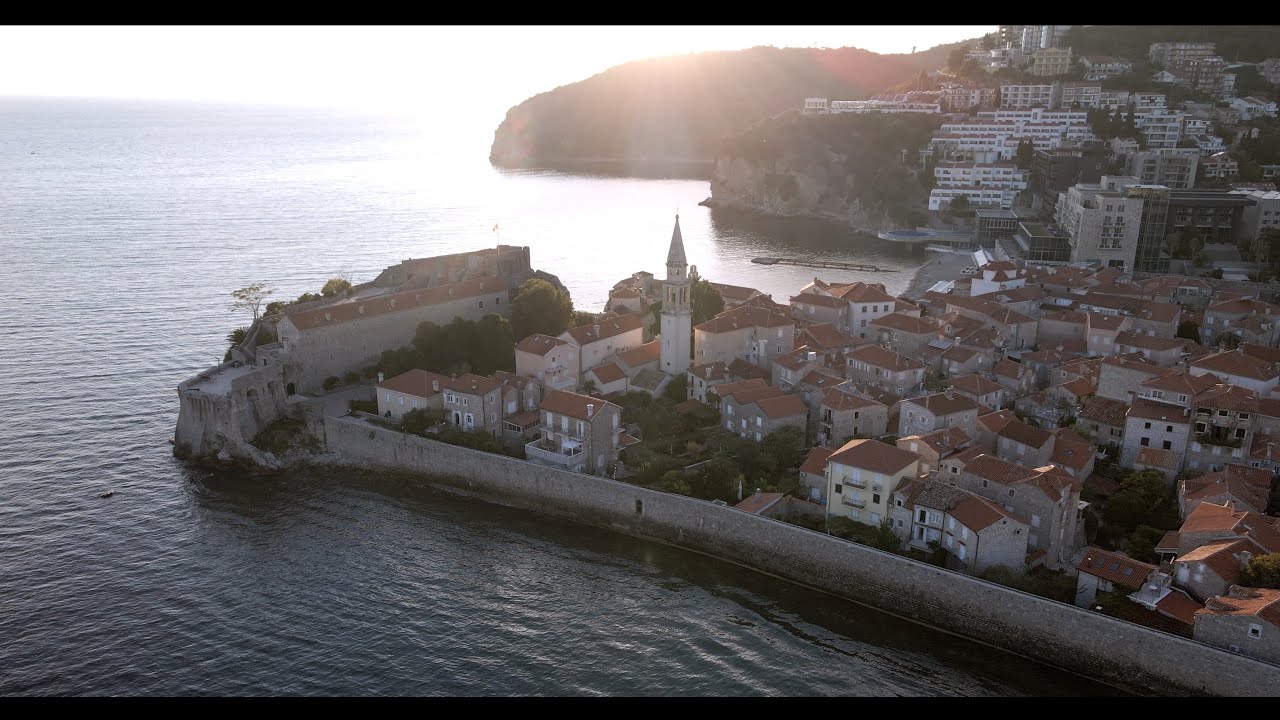
A month ago I returned to live in Argentina after more than two decades in Europe, and although I already knew the terrain, coming back as a resident was very different from visiting. Sometimes I still wake up not quite knowing where I am. I miss things about Barcelona, of course, but I'm also rediscovering many things I had left behind.
The difference now is that there's no return date. I'm here to stay. I'm reconnecting with customs, flavors, rhythms and also with the challenge of adapting to a country that, although it's mine, has changed. But the main thing is that I feel good about the decision, and that, even working remotely, life continued its course. It wasn't a catastrophe. It was a transition.
Salta and Jujuy: a trip to observe, not just do tourism
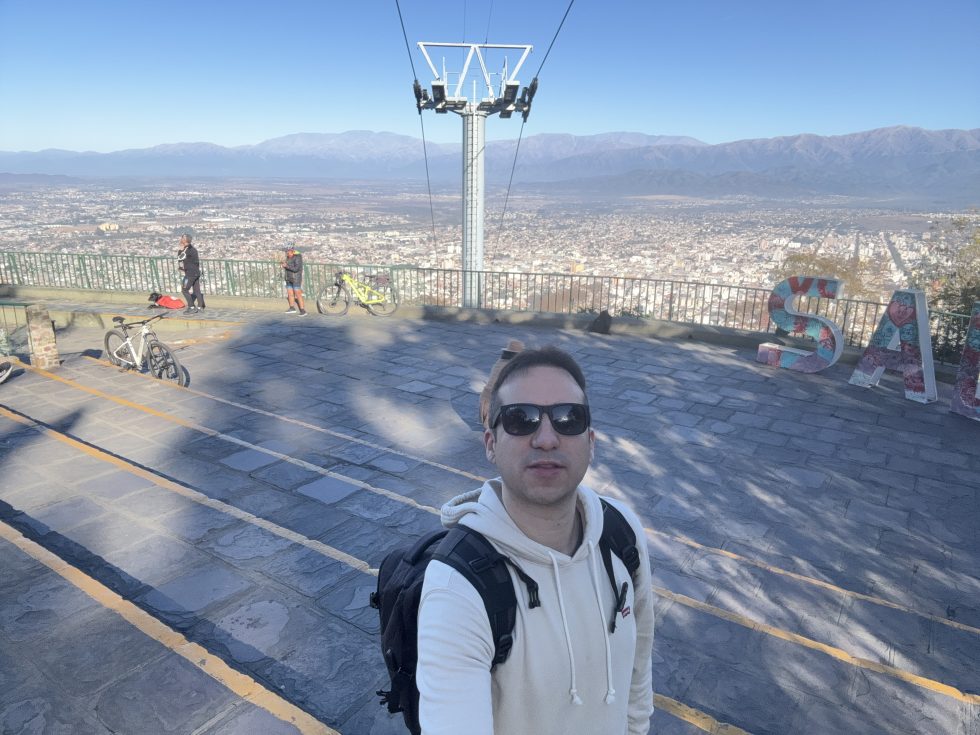
As soon as I could, I organized a trip to the north. It was something I always wanted to do, and for some reason, I felt it was the right time. I left from Salta city, where I spent the first days walking through the center, its colonial plazas and climbing Cerro San Bernardo — yes, I walked it, more than 1,000 steps that start from Parque San Martin, an experience that's tough but worth every step for the view and the silence at the top.
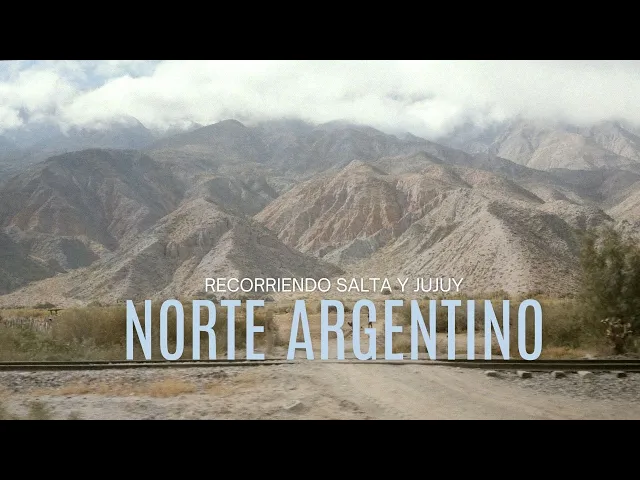
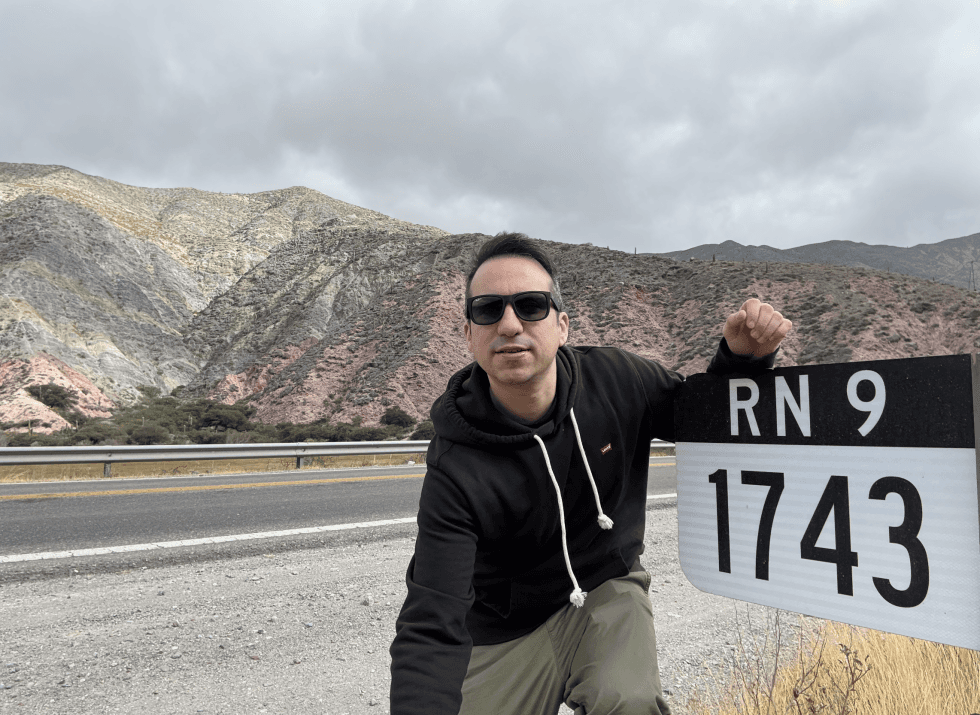
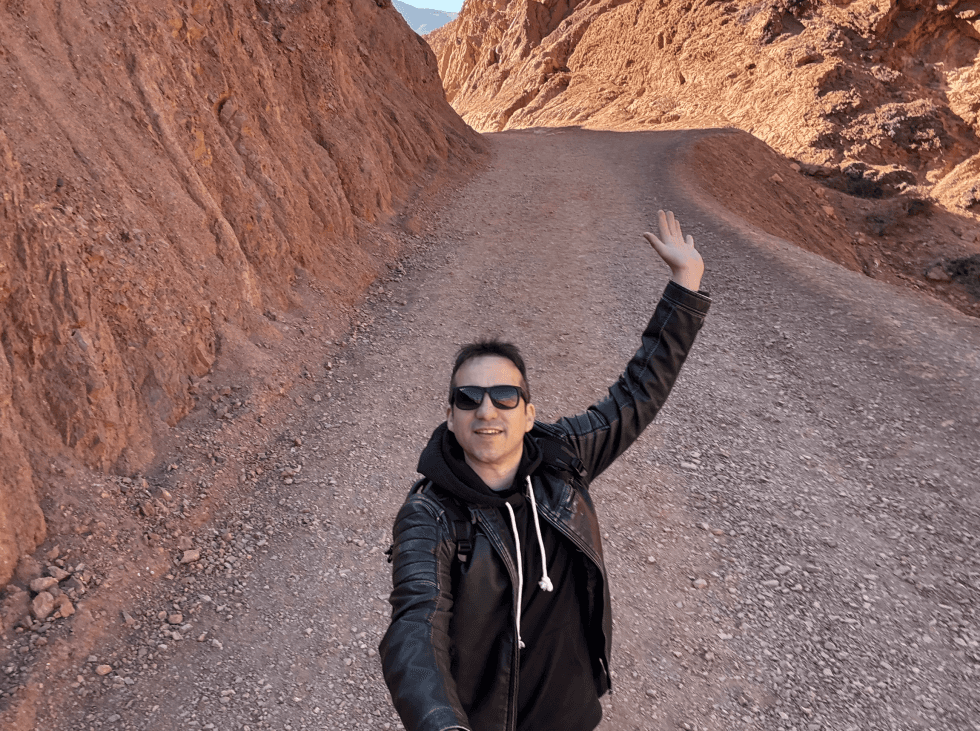
From Salta I took the car and headed towards Tilcara, crossing landscapes that change at every turn. Along the way I stopped several times to contemplate the views: green mountains, red stretches, the abandoned train, and that feeling that every kilometer is different from the last.
In Tilcara I visited the Pucara, an ancient fortress built by indigenous peoples more than 900 years ago. I walked through the ruins, saw remains of dwellings, corrals and tombs, and felt very strongly the contrast between the ancestral and the current.
Then I went down to Purmamarca, a place I already knew from photos, but which impressed me even more in person. It's a small town, but full of life and color. I stayed overnight, and took the opportunity to try something I had never eaten: llama milanesa.
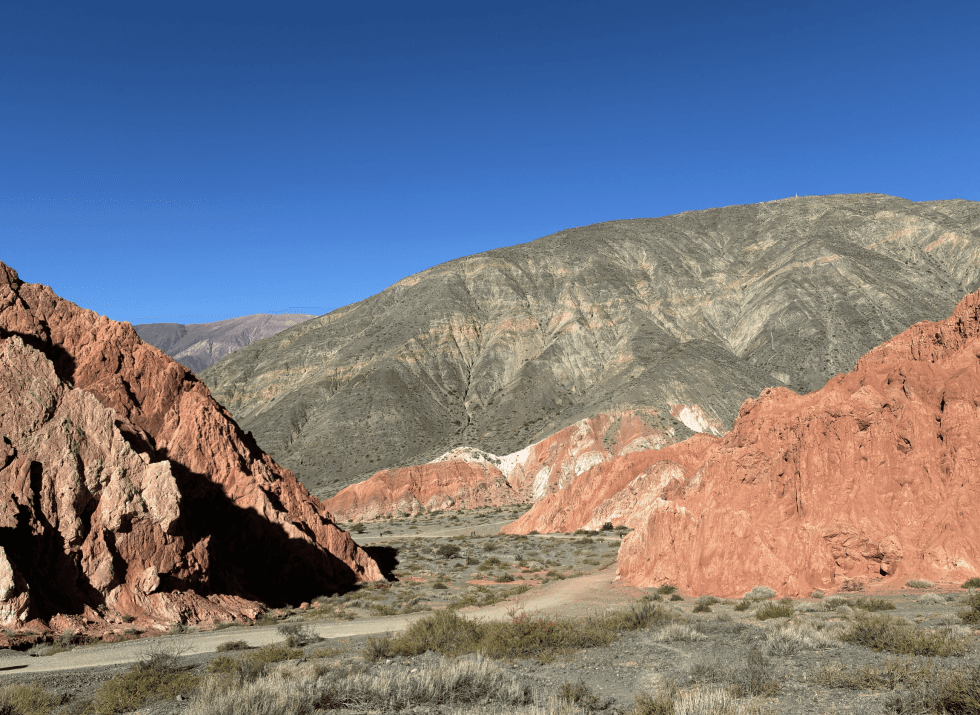
The next day I completed the full 3-kilometer circuit around the Hill of Seven Colors, a path that completely surrounds the hill and shows you different angles and tonalities at every step: reds, violets, greens, ochres. No filter needed, everything looks hand-painted. Purmamarca marked me, without a doubt it was one of the most powerful points of the entire trip.
Salinas Grandes: where sky and earth merge
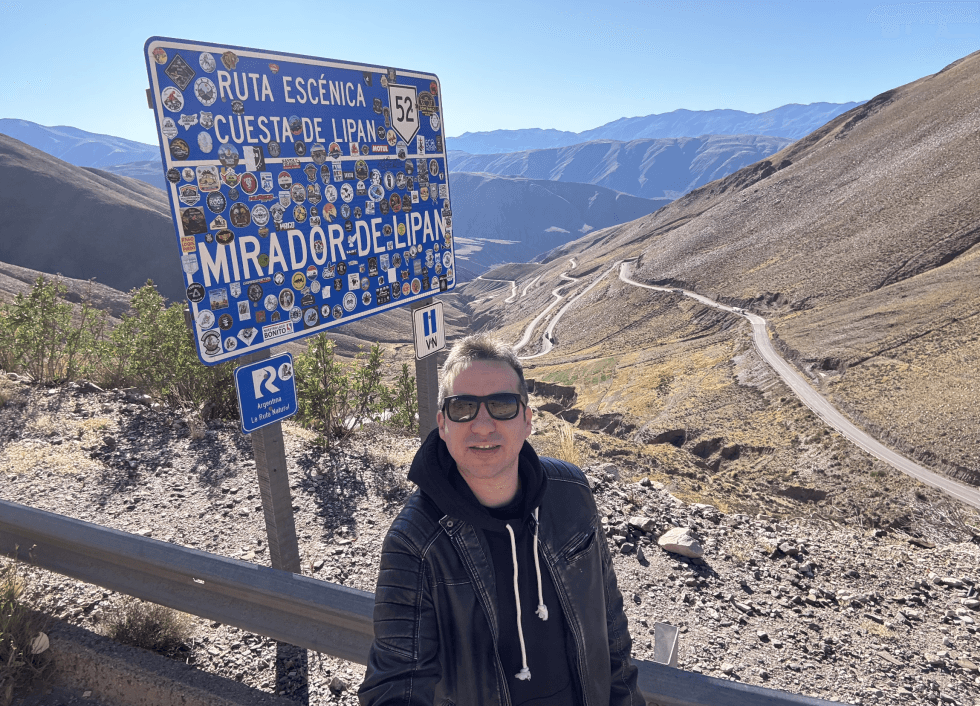
From Purmamarca, I took National Route 52, one of the most spectacular roads in northern Argentina. As you advance, the landscape changes completely: infinite curves, multicolored mountains and a sky that seems closer and closer. The Cuesta de Lipan takes you winding up to 4,170 meters above sea level.
One of the most magical moments on the road is when the llamas start appearing. They're loose, walking at the edge of the road or crossing unhurriedly, as if they were part of the natural scenery. That stretch between Purmamarca and the Salinas is already worth the trip itself.
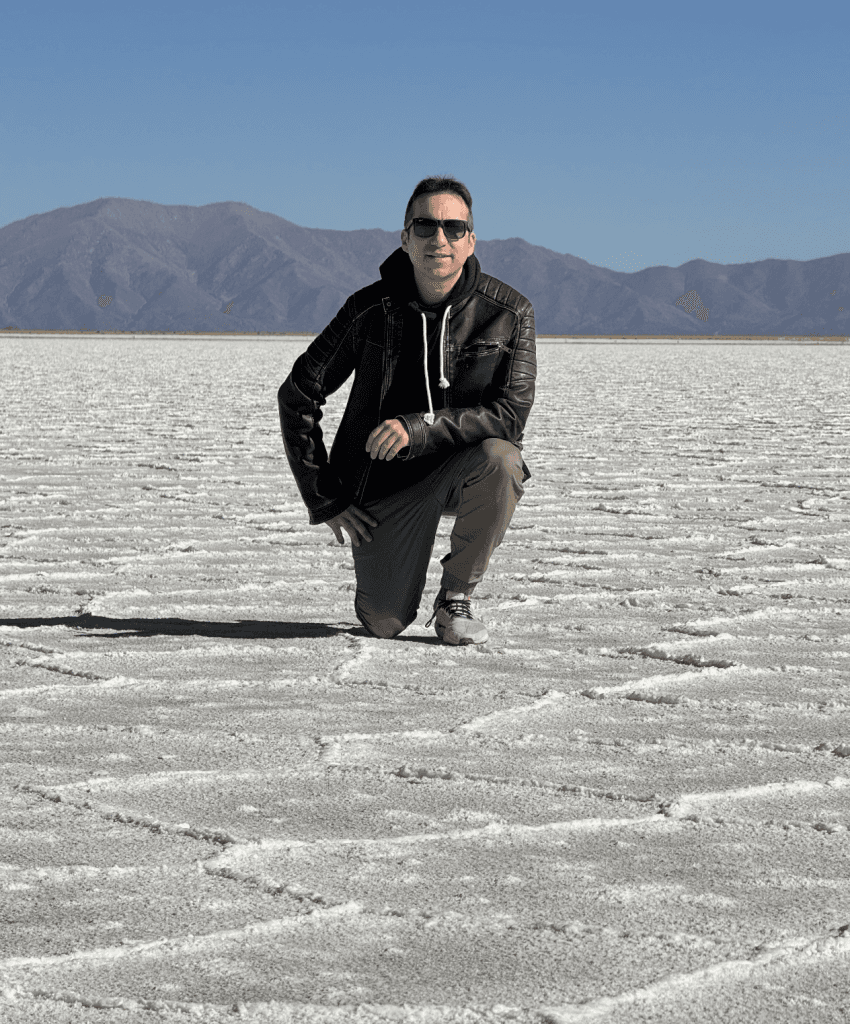
Once on top, the landscape flattens completely and you arrive at the Salinas Grandes: a white, silent desert that seems from another planet. The place is at more than 3,400 meters altitude, in the heart of the puna, and covers more than 12,000 hectares of completely flat salt.
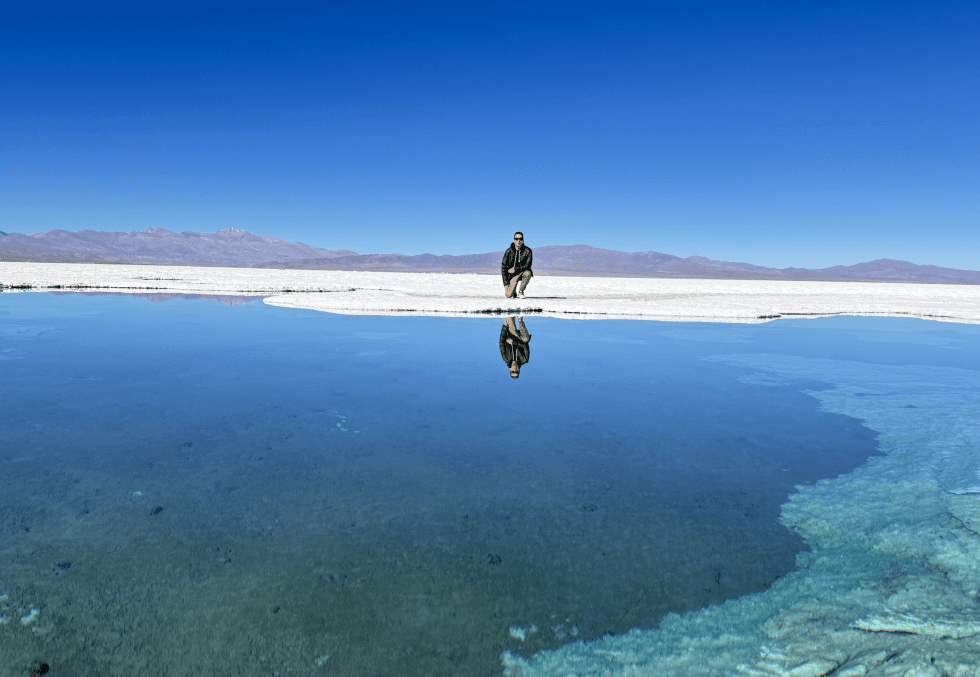
The visit is done with a local guide. You pay an entrance fee, and the guide opens the access gate so you can enter with your own car, while he accompanies you on a motorcycle. He takes you to two key points inside the salt flat, where he explains the history of the place and you can take impressive photos. There are pools of crystalline water in the middle of the salt that look like mirrors or portals to another world.
It was one of the strangest and yet most beautiful places I've ever visited. The contrast between the blue sky, the white ground and the absolute silence was hypnotic.
Reflections after this first month
Traveling through Salta and Jujuy wasn't just a getaway. It was a way to process this first month back. To realize that I'm still working, still creating, and that Argentina also has a lot to offer. Technology is helping me adapt: from paying with virtual wallets to registering as a self-employed worker.
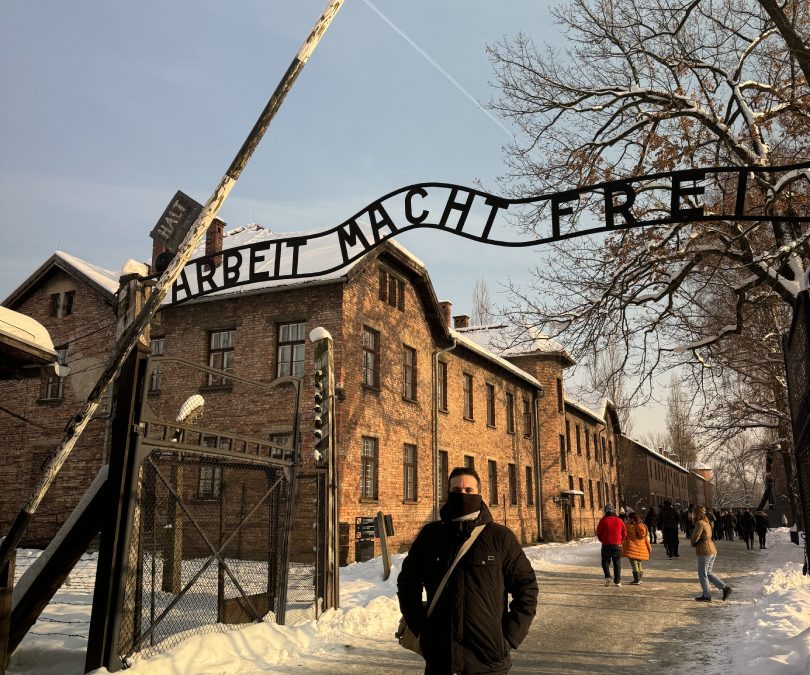
And I'm already thinking about what's coming: I want to go to the Falkland Islands. It's a trip I always wanted to make, more for what it means emotionally and culturally than for tourism. I want to see, understand, document. Like I did with Auschwitz or like I do with every video. With my perspective, my camera and my story.
Useful information for traveling to Purmamarca, Tilcara and Salinas Grandes
Purmamarca: Located at the foot of the famous Hill of Seven Colors. Altitude: 2,324 m. The circuit around the hill is 3 km. Ideally spend at least one night.
Tilcara: Dirt streets, lots of Andean culture and a unique vibe. The Pucara de Tilcara is one of the most important archaeological sites in the north. Altitude: 2,465 m. Gastronomy: empanadas, locro and tamales.
Salinas Grandes: At 3,400 meters altitude, 12,000 hectares of salt. Accessed from Purmamarca, 70 km (1h 30 min by car). Bring sunglasses and sunscreen.