Taking a long trip in a Tesla may seem complicated at first, especially if you plan to leave the most developed countries. But with planning, key tools and a bit of strategy, you can move with total freedom.
Step 1: Know the real range of your Tesla
Although Tesla announces more than 600 km of range for the Model 3 Long Range, reality varies based on speed, elevation, weather and vehicle weight. On normal routes, you can expect between 400 and 520 real km, depending on how you drive.
Tip: plan your days thinking also about charging moments, not just the distance to cover.
Step 2: Use smart navigation tools
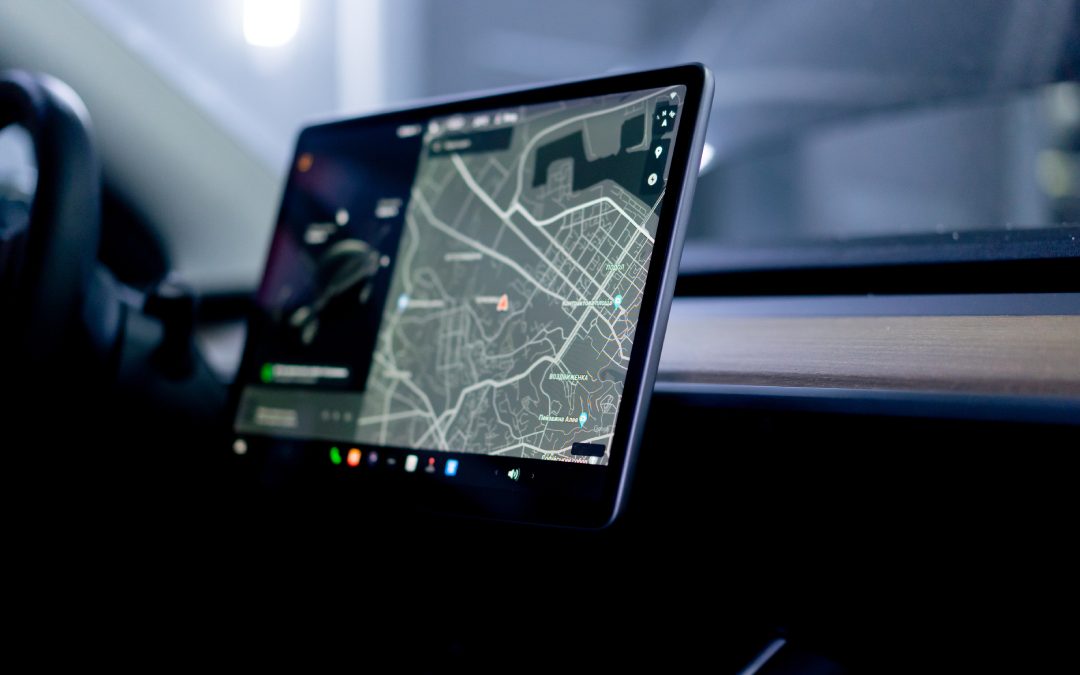
A Better Route Planner (ABRP): allows you to plan with variables like weight, weather, elevation. PlugShare: collaborative charger map with photos, reviews and alerts. Chargemap: very useful in Europe. Tesla App: to see charge status, climatize the car.
Step 3: Sleep and charge at the same place
Combining accommodation with charging is key to saving time and comfort. Hotels with Tesla or Type 2 charger. Airbnbs near public chargers. Sleeping in the car with Camp Mode and charging at the same time. This way you wake up with a charged car ready to go without wasting time.
Step 4: The Juice Booster secret: total freedom
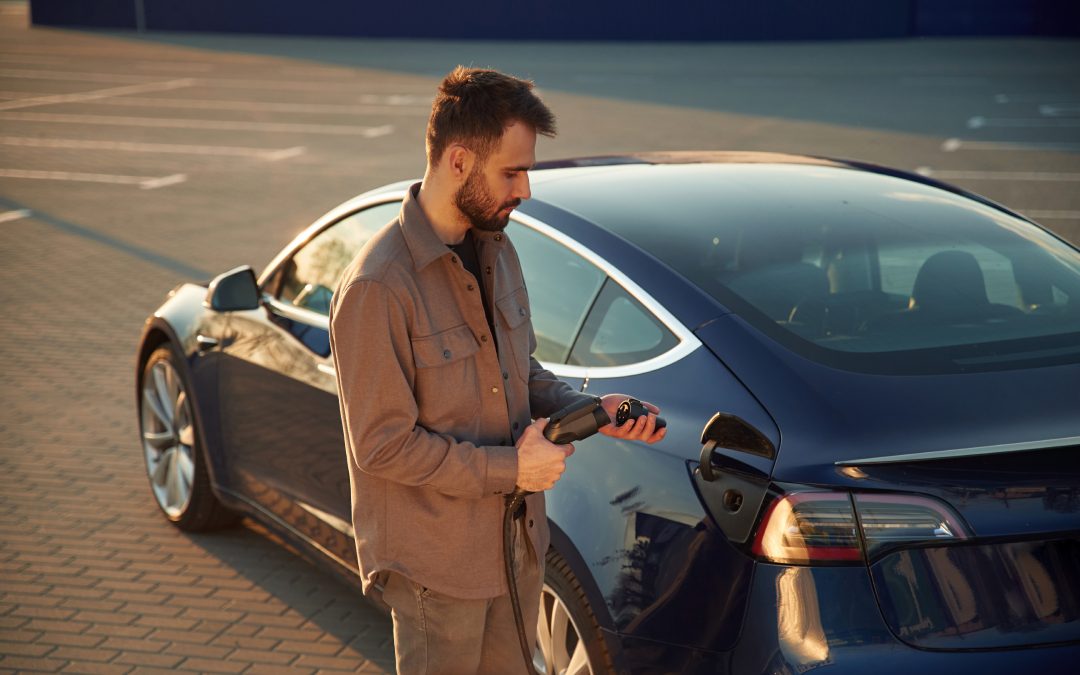
The Juice Booster is a portable charger that lets you plug the Tesla into almost any electrical outlet in the world: from industrial to domestic plugs.
Advantages: Adapters for multiple countries and plug types. Safe and fast charging (up to 22 kW on three-phase). Water and shock resistant (ideal for traveling). Small and easy to carry.
Thanks to the Juice Booster you can charge at homes, workshops, campgrounds, hotels or anywhere with a powerful outlet. It's like having your own portable charging point.
Step 5: Understand the fast charging curve
Many think it's worth charging to 100%, but that's not the case. Superchargers charge very fast between 10% and 60-70%. Above 80%, speed drops significantly. Often it's faster to do two 20-minute charges than one 60-minute charge.
Step 6: Always leave a safety margin
Don't push the battery to the max. Try to arrive with at least 15% at the next charger. If going to areas without reliable infrastructure, raise that margin to 20-25%. Check on PlugShare if the chargers are working.
And if there's no charger nearby?
If you're in a remote area, a domestic outlet (schuko) can save you. It charges at about 10-15 km per hour. After one night (8-10 hours) you can have 100-150 extra km. It's not ideal, but it can get you out of trouble.
How I do it on EchoRoute
I plan the week: I choose cities to work Monday to Friday. Weekends: I move through scenic routes. Charging strategy: I use Superchargers on the road, sleep at places with included charging, always carry the Juice Booster in case I need to charge from a local outlet.
Conclusion
Traveling in a Tesla is not only possible, it's comfortable and cheap if you know how. The secret is: plan ahead, have apps that give you confidence, have tools like the Juice Booster. EchoRoute wouldn't be the same without these keys, and if you're thinking of taking a trip like this, your best investment is learning to plan your range, not just your destination.