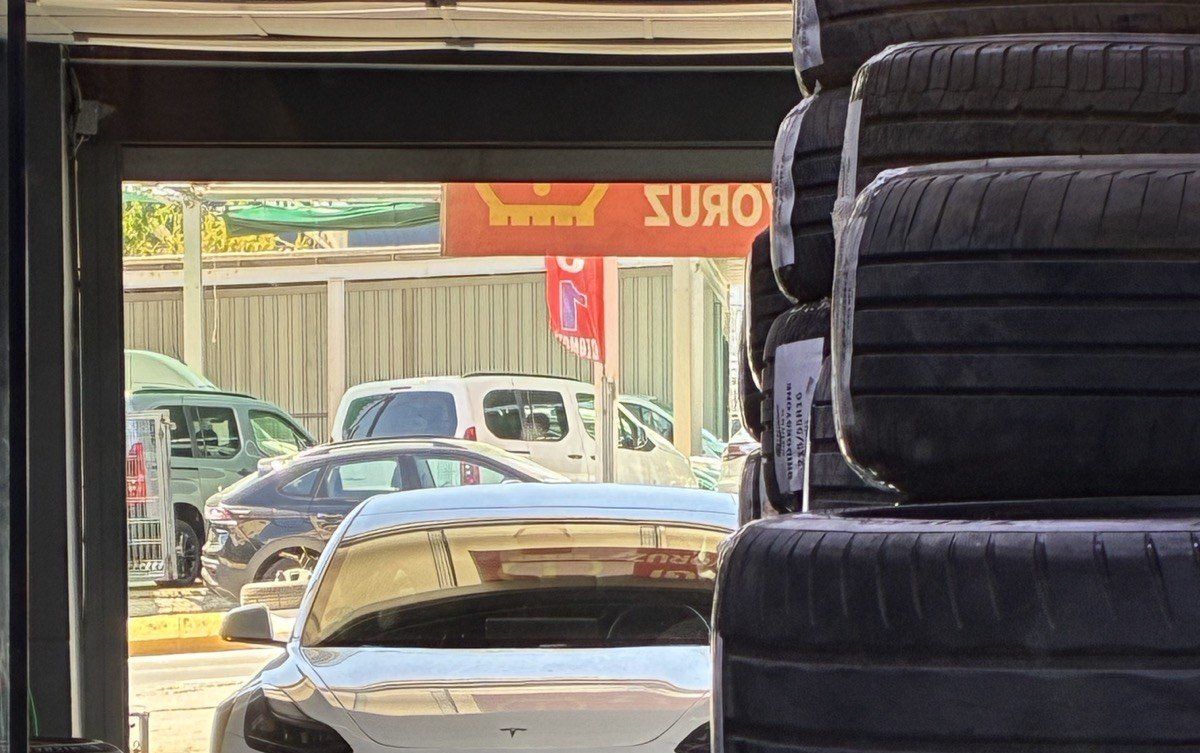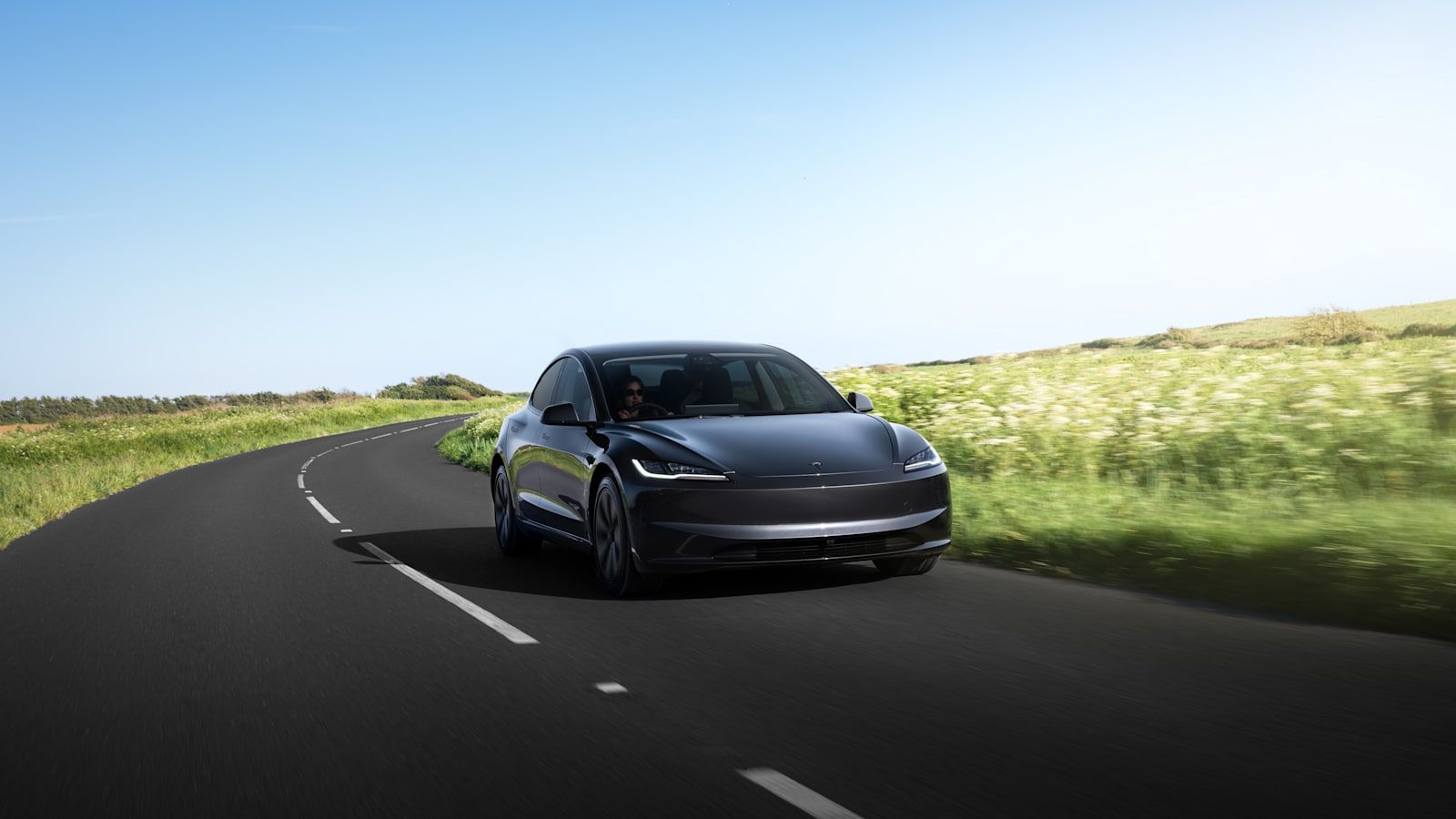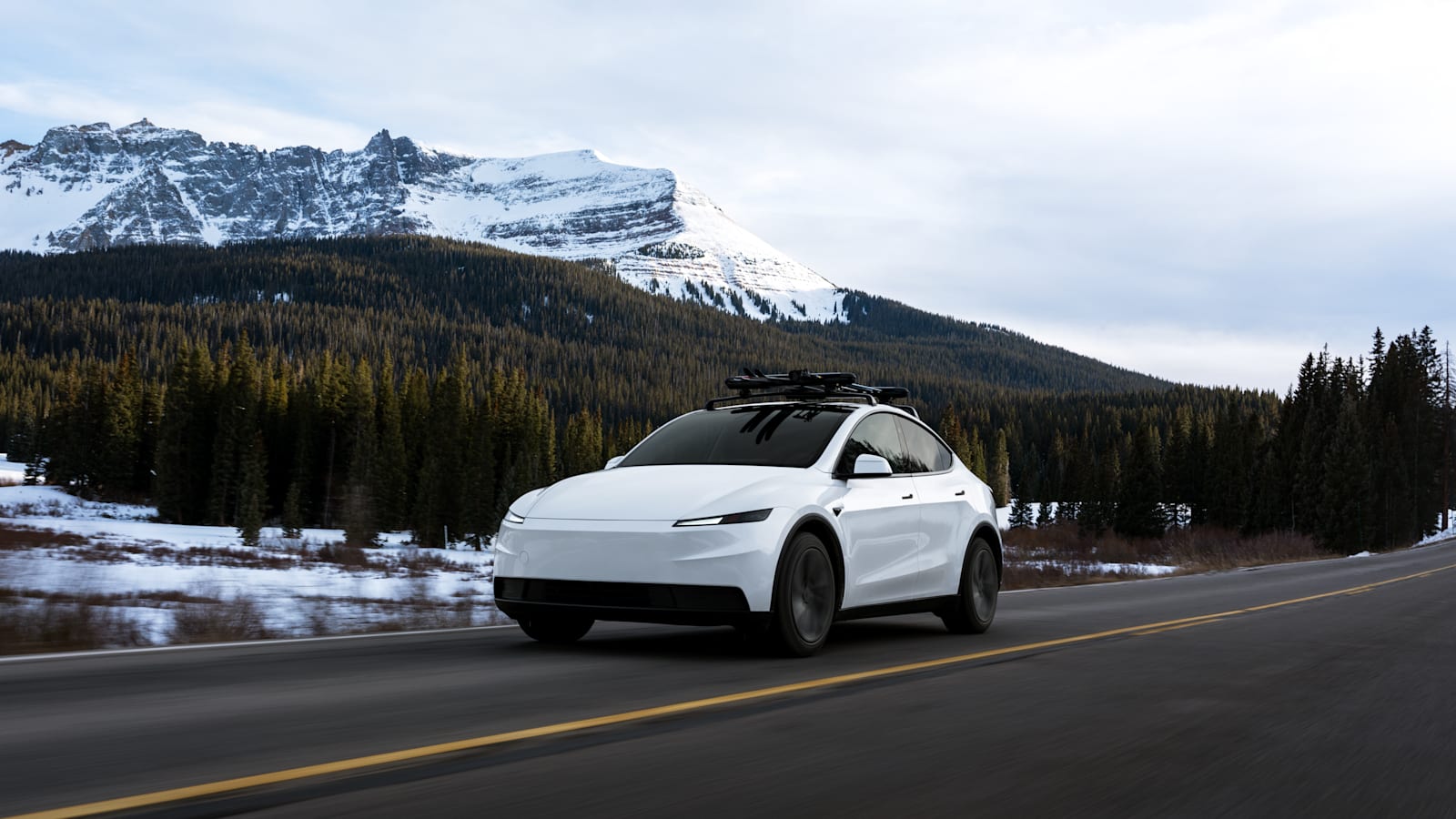
Traveling with your Tesla across Europe can be simple thanks to the charging infrastructure, but what happens if you want to cross oceans and continue your route on another continent? On EchoRoute I'm doing exactly that: taking my Tesla Model 3 Long Range from Europe to America, and later toward Asia and Oceania.
1. Choose the right import regime
If your intention is to travel for a few months and then return to Europe, the ideal is to use a temporary import regime. This allows you to: bring the vehicle without paying import taxes, drive legally for a limited time, avoid the need to nationalize the car.
On EchoRoute, I'm entering South America with a temporary permit as a company, to keep the Tesla with European plates.
2. Hire an experienced customs agent
This is key. The process varies by country, and having a specialized customs broker can save you legal problems and delays. They help you with documentation, coordinate with the shipping company and customs, ensure you comply with local regulations.
3. Maritime transport: types, times and costs
You have two main ways to ship your car: Closed container (more expensive but safer) and Ro-Ro (Roll-On/Roll-Off), where the car travels rolling inside the ship.
Duration: can take between 2 and 5 weeks depending on the destination. Costs: vary between 1,500 and 4,000 EUR, depending on the port. Documentation: title of ownership, insurance, authorization letter. Make sure you have insurance that covers damage during transport.
4. Charging compatibility and electricity
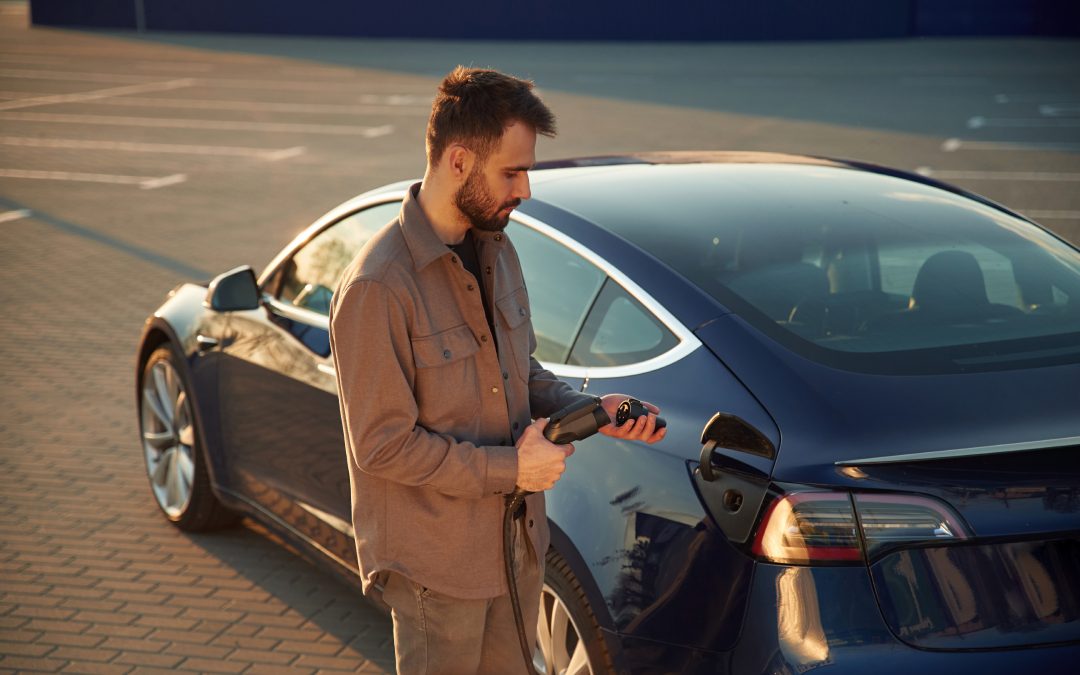
In Europe the Type 2 and CCS2 standard is used, but in other continents it may vary. In Latin America and the US the Type 1 (SAE J1772) predominates. You may need adapters for public chargers. In areas with little infrastructure, you'll depend more on slow charging (domestic outlets). The Juice Booster becomes key again here.
5. International insurance and roadside assistance
Not all European insurers cover your car outside the continent. Check if your policy includes international coverage. If not, look for a local company that offers time-limited insurance. Don't forget roadside assistance: tow trucks, flat tires, battery.
6. Homologation and local regulations
Even though it's temporary, some countries may require you to comply with: emission standards, light and mirror standards, technical inspection or vehicle inspection. In most South American countries it's not mandatory to modify the car if you enter under a temporary regime.
7. Connectivity: maps, network, data and Tesla app
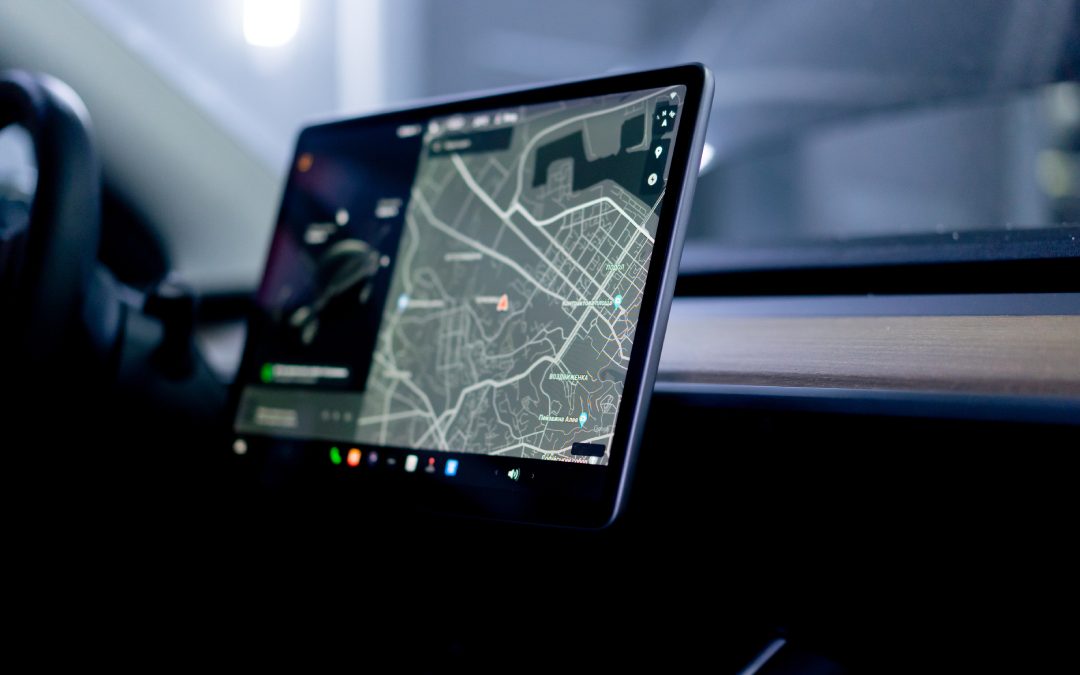
When changing continents: the Tesla navigator may not show maps or chargers well. Some functions may be limited depending on the region. Check if your Tesla SIM has roaming. You can also use your phone as a Wi-Fi hotspot for the car.
Conclusion
Taking your Tesla to another continent isn't impossible, but it requires planning, paperwork and some patience. The key is: be clear whether the trip will be temporary or permanent, surround yourself with professionals (managers, customs brokers, insurance), use tools like the Juice Booster and charging adapters.
On EchoRoute, this is part of the challenge: demonstrating that you can travel the world in an electric car, with planning, technology and a good support network.