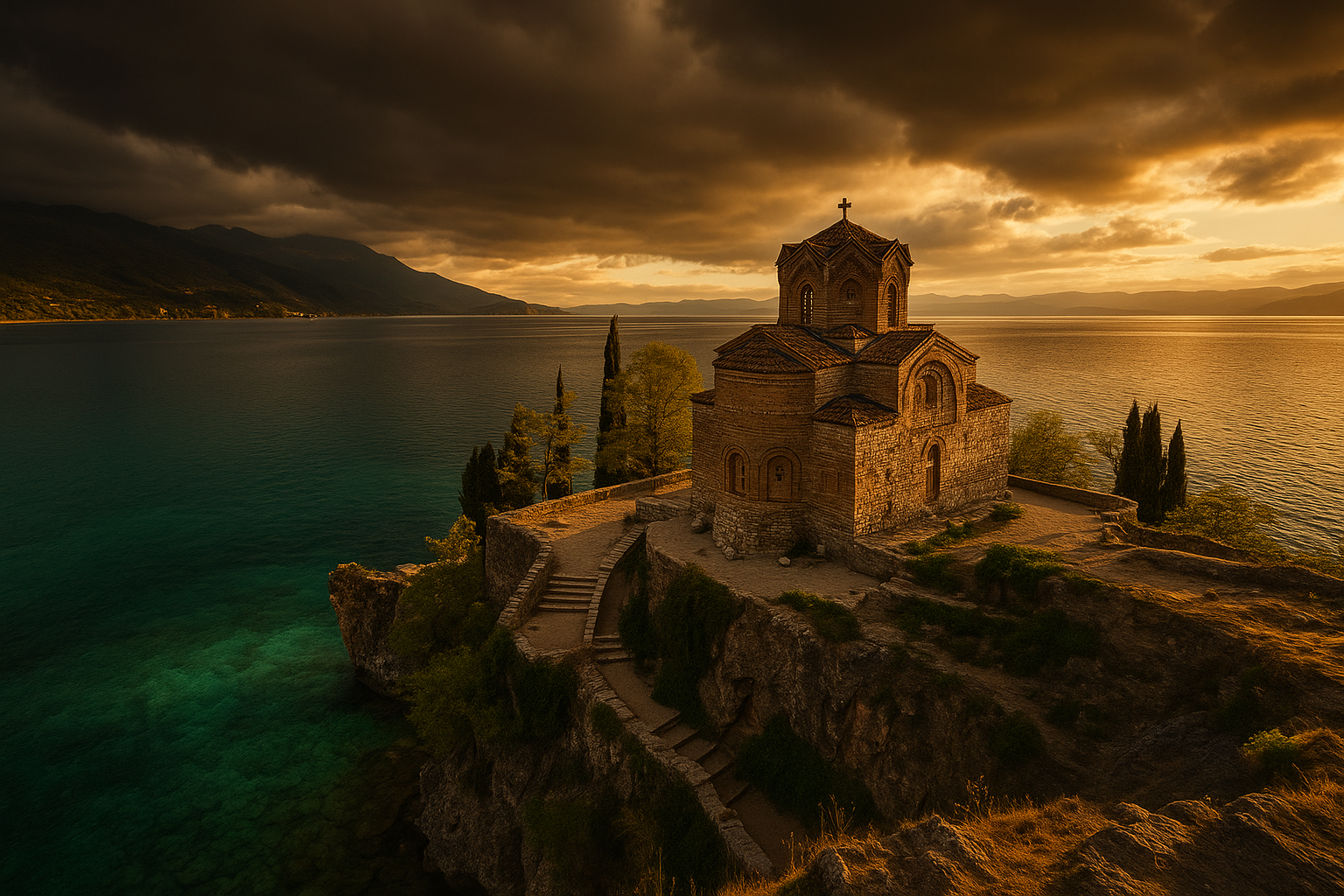
The Bay of Kotor is one of those places that makes you feel like you're walking through living history. Not metaphorically: you're walking down streets and everything you see is centuries old. The stones, the churches, the walls climbing up the mountain, the views over the water. A combination I've never found quite like this anywhere else.
Kotor was declared a UNESCO World Heritage Site in 1979. Perast, a few kilometers away, has 349 inhabitants and views that leave you speechless.
Montenegro: a young country with centuries of history
To understand Kotor, you have to understand Montenegro. And to understand Montenegro, you need to know it's Europe's newest independent country, having separated from Serbia peacefully in 2006.
Before that, it belonged to the Kingdom of Serbs, then to Yugoslavia — which also included Croatia, Bosnia, Kosovo, Macedonia, and others. In the 90s it collapsed, wars followed, and in 2006 Montenegro became independent. Football note: at the 2006 World Cup, Argentina played against "Serbia and Montenegro" as one country. That was the last year.
Kotor: the walled city on the bay
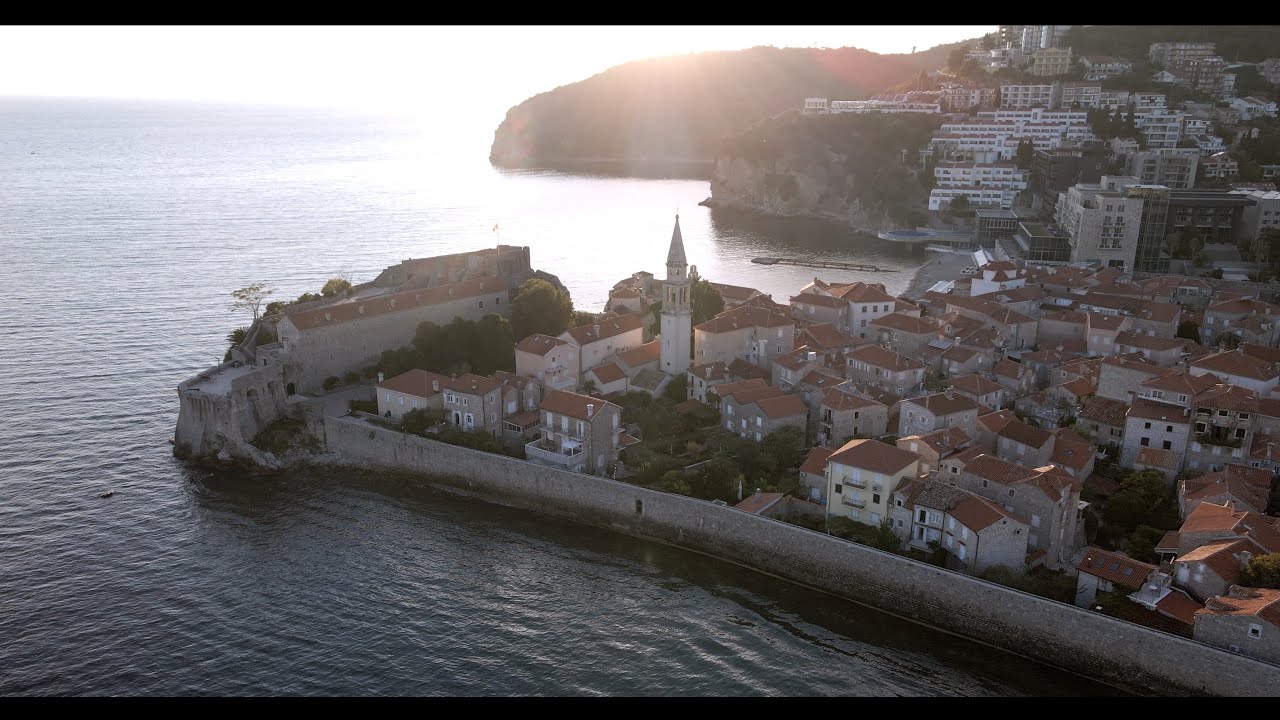
Kotor sits at the bottom of a bay that cuts deep into the Montenegrin coast, connected to the Adriatic through a narrow channel. Just across the Adriatic is Italy — which explains the Venetian presence. The Republic of Venice conquered this coast and built these walls and cities in their characteristic style.
When you see the buildings, you understand it immediately: the houses, the rooftops, the architecture are all Venetian-Roman. Crystal clear.
The walls and the fortress above
The most impressive thing about Kotor is that the walls don't stop at the city — they climb up the mountainside to a fortress at the top. From up there, the view of the bay is absolutely spectacular. The climb takes 30 minutes to an hour depending on your pace. At the top you find the Fortress of St. John, water views, and a perspective on the city that makes you understand why it was so strategically important.
The old town of Kotor
Inside the walls, Kotor's old town is a network of streets crossing in every direction. The main square is the center of social life — restaurants, cafés, small museums, shops. The first records of the city date to 168 BC. When you're there, in those buildings, that atmosphere, that quiet (especially on a weekday when cruise ships aren't in port), you feel it.
What to do: museums, churches, and alleyways
Inside the old town, there's something for every pace. For history lovers: museums, a pair of very old churches (St. Tryphon Cathedral dates to the 12th century), alleyways that feel straight out of a medieval series. For those who prefer to sit and soak it in: cafés on the main square, bars with terraces, restaurants where time stops.
Walking through the high walls with the bay below, you can almost see the ships arriving from Italy to invade. That happened here. And you feel it.
Weekday vs. weekend
Kotor on a weekend is very different from Kotor on a weekday. Cruise ships bring waves of tourists on weekends; on weekdays, you have the old town almost to yourself. If you can choose, aim for a Tuesday or Wednesday.
Perast: the 349-inhabitant village with Montenegro's best views
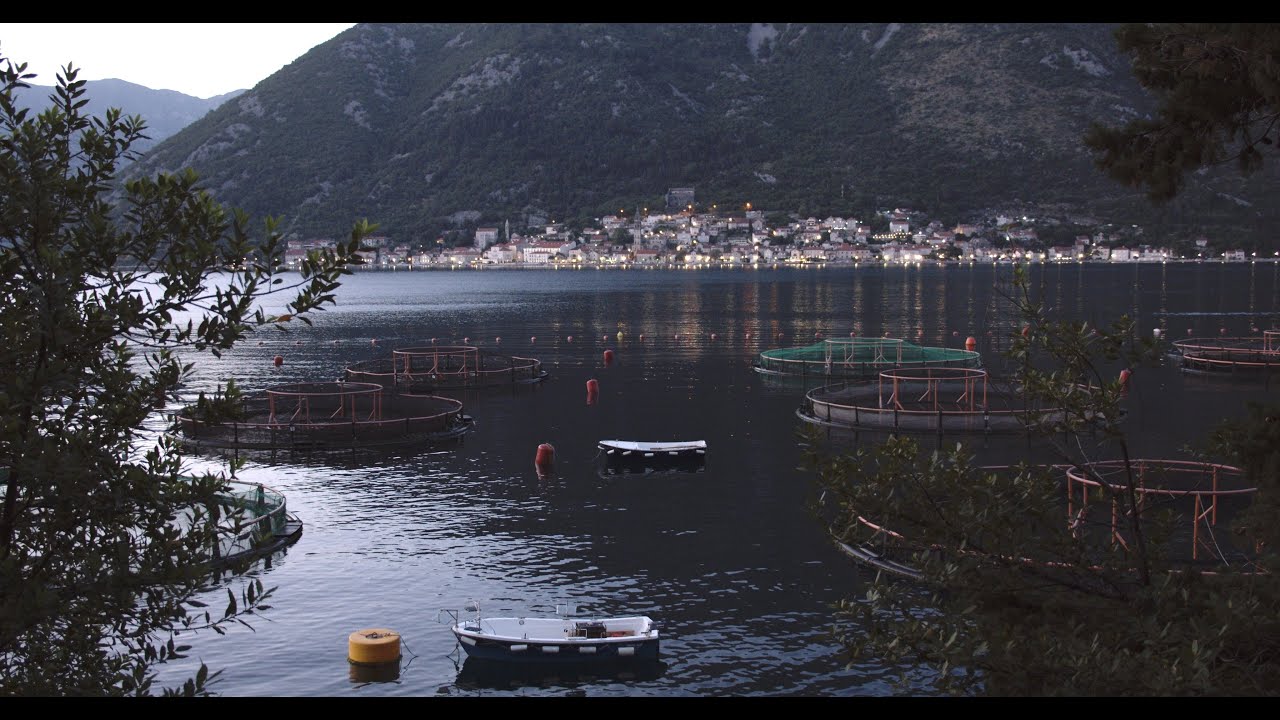
About 20 minutes from Kotor, following the bay, Perast is a village of 349 inhabitants stretched about 2 km along the water. Centuries of architecture, several churches, restaurants with water access, and views of the bay that are hard to describe.
Leave the car at one of the parkings at either end of the village and walk. Right in the middle: boats in the water, old buildings on every side, mountains behind you, and the bay ahead.
The two islands of Perast
Just offshore from Perast, in the bay, two small islands are visible. One is natural (Sveti Đorđe, with a Benedictine monastery); the other is artificial, built by Perast residents over a reef they expanded over centuries with stones and sunken ships (Gospa od Škrpjela — Our Lady of the Rocks). You can reach them by boat from the village: five to ten minutes each way.
How to cover the Bay of Kotor: the full route
The bay route by car is one of the best things you can do in Montenegro. Start in Kotor — walls, old town, fortress. Continue to Perast — village, islands. Cross the narrow channel by ferry and go along the other side. The whole circuit takes a full day, or a relaxed two days if you want to stop at every village.
What Kotor has that Rome and Patagonia don't
I tried to compare Kotor to other places. Rome has centuries of history, but not these landscapes. Patagonia — Bariloche, San Martín de los Andes — has mountains and water at a similar scale. But no 800-year-old buildings looking out over the lake.
The combination of natural landscape + centuries of architecture + human scale (Kotor is not a huge city) is what makes it unique. That combination is rare.
Frequently asked questions about the Bay of Kotor and Montenegro
Is Kotor worth visiting? Absolutely. One of the most memorable places I've been.
How long do you need in the Bay of Kotor? 1 day to see Kotor and Perast. 2 days to do the full bay circuit at a relaxed pace.
Do I need a car in Montenegro? For the bay circuit and Perast, yes — public transport doesn't cover the route well. Car rentals are widely available in Kotor and Budva.
Is Perast worth visiting? Yes. It's a 20-minute detour from Kotor with disproportionately good views. Don't skip it.
What's the best time to visit Kotor? May-June and September. Peak summer brings cruise crowds. Weekdays over weekends.